Best Kayak Anchors in October 2026
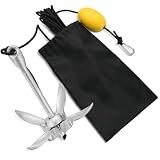
FLKQC Kayak Anchor Kit, 3.5lbs Folding Kayak Anchor Kit with 40ft Rope
- COMPLETE KIT FOR STABILITY: EVERYTHING YOU NEED FOR SECURE ANCHORING.
- DURABLE & RUST-RESISTANT: WITHSTANDS HARSH AQUATIC ENVIRONMENTS.
- LIGHTWEIGHT & PORTABLE: EASY TO CARRY AND STORE FOR ALL ADVENTURES.


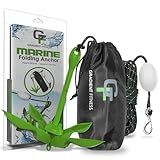
Kayak Anchor Kit - 3.5 lb, Green - Folding Grapnel Anchor with 25 ft Rope
-
RELIABLE 4-FLUKE DESIGN: ENSURES STRONG HOLDING IN ALL UNDERWATER CONDITIONS.
-
HEAVY-DUTY ROPE & BUOY: EASY VISIBILITY AND SECURE ATTACHMENT FOR SAFETY.
-
COMPACT & EASY TO STORE: FOLDS EASILY FOR SPACE-SAVING CONVENIENCE.
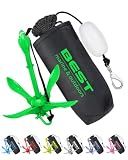
Kayak Anchor, 3.5 LB Folding Anchor System, Paddle Boards, Jet Skis & PWC
- IMPROVED DESIGN OFFERS UNMATCHED DURABILITY IN ALL WATER CONDITIONS.
- VERSATILE ANCHOR HOLDS SECURELY IN SAND, MUD, ROCKS, AND WEEDS.
- HEAVY-DUTY CARBON STEEL RESISTS RUST FOR SALTWATER & FRESHWATER USE.
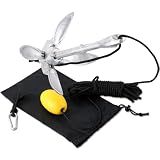
NYXOVA 3.5lbs Folding Kayak Anchor with 12m Rope
-
COMPLETE KIT: EVERYTHING NEEDED FOR SECURE ANCHORING INCLUDED!
-
DURABLE BUILD: HEAVY-DUTY, RUST-RESISTANT FOR ALL WATER CONDITIONS.
-
LIGHT & PORTABLE: EASY TO CARRY AND STORE FOR ANY SMALL WATERCRAFT.
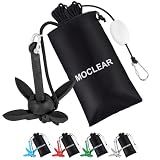
Moclear Kayak Anchor Kit, 1.5 lb Compact Folding Grapnel Anchor-Boat Anchor
- VERSATILE FOR ALL WATER ACTIVITIES: KAYAK FISHING, SUP YOGA & MORE.
- COMPLETE KIT FOR HASSLE-FREE ANCHORING, INCLUDES ESSENTIAL ACCESSORIES.
- CHOOSE 1.5LB OR 3.5LB WEIGHTS FOR OPTIMAL STABILITY AT VARIOUS DEPTHS.
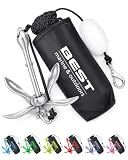
Kayak Anchor, 3.5 LB Folding Anchor System, Paddle Boards, Jet Skis & PWC
-
UPGRADED DESIGN OFFERS UNMATCHED DURABILITY IN ALL WATER CONDITIONS.
-
VERSATILE FOR KAYAKS, SUPS, CANOES, AND SMALL BOATS IN ANY TERRAIN.
-
HEAVY-DUTY CARBON STEEL ENSURES RUST RESISTANCE FOR LONG-LASTING USE.
Kayak Anchor Trolley Guide in 2026 matters more than most paddlers realize. A good trolley system can be the difference between holding your position perfectly on a windy point and spending your whole trip fighting current, swinging sideways, and missing bites.
If you fish from a kayak, drift rivers, or spend time on tidal water, your anchor setup isn’t just a convenience. It’s part of your boat control, your safety system, and frankly, your sanity.
You’re about to learn how a kayak anchor trolley works, what features actually matter, how to avoid the mistakes I see beginners make every season, and how to set up a system that matches the way you paddle and fish.
What Is a Kayak Anchor Trolley and Why It Matters in the Kayak Anchor Trolley Guide in 2026
A kayak anchor trolley is a pulley-and-line system mounted along the side of your kayak. It lets you move your anchor point from bow to stern without leaving your seat.
That sounds simple, but the real-world impact is huge.
Instead of anchoring from one fixed spot and letting the kayak sit awkwardly in wind or current, you can adjust the angle of your boat. That means better casting position, less hull slap, more comfort, and more control over how your kayak faces moving water.
For kayak anglers, that control is everything. If you’ve ever tried to work a shoreline while your boat keeps spinning, you already know why a trolley system earns its place on the deck.
It’s also one of the most useful upgrades if you’re building a practical fishing setup alongside the best kayak fish finders and planning a reliable diy kayak fish finder setup.
How a Kayak Anchor Trolley Works
The system usually includes:
- A line running through two pulleys or rings
- Mounting hardware attached near the bow and stern
- A sliding ring or clip where you connect your anchor line
- Cleats or tie-off points to hold the trolley line in place
Here’s the idea: you clip your anchor rope to the trolley ring, then pull the trolley line forward or backward. That moves the anchor connection point along the kayak’s side.
Move it toward the bow, and your kayak faces into wind or current. Move it toward the stern, and the boat pivots accordingly.
That adjustability is what makes the Kayak Anchor Trolley Guide in 2026 so relevant for modern kayak fishing. More paddlers are customizing their rigs for specific conditions, and a trolley is one of the smartest low-tech upgrades you can make.
Kayak Anchor Trolley Guide in 2026: What to Look For Before You Buy
Not all trolley systems are equal. Some are smooth, quiet, and dependable. Others bind up, rattle, or wear out fast in saltwater.
Here’s what actually matters.
1. Corrosion-resistant hardware
If you paddle in brackish or saltwater, this is non-negotiable. Stainless hardware, durable rings, and marine-grade fittings hold up far better than basic metal parts that rust after a few trips.
2. Smooth pulley movement
A trolley should slide easily under load. Cheap pulleys or rough rings create friction, which makes boat positioning harder than it needs to be.
3. Low-stretch trolley line
The line needs to stay predictable. Too much stretch leads to sloppy control, especially in current.
4. Quiet operation
Noise matters, especially in shallow water. A trolley that clicks, slaps, or drags can spook fish and make the whole system feel cheap.
5. Easy one-handed adjustment
If you fish, you’ll often adjust your boat while holding a rod. A good setup should be easy to reach and simple to move without a full-body wrestling match.
6. Secure tie-off points
You need a dependable way to lock the trolley where you want it. Weak cleats or poor mounting points lead to drift, frustration, and extra wear.
7. Compatibility with your kayak hull
Sit-on-top kayaks are usually the easiest to rig, but hull shape still matters. Some boats have cleaner sidewalls and mounting access, while others need more careful planning.
8. Safety-friendly anchor connection
A smart system allows for quick release if conditions turn ugly. In current, wind, or boat traffic, being able to dump anchor fast is a major advantage.
Why a Kayak Anchor Trolley Actually Improves Your Time on the Water
Features are one thing. Results are what matter.
A well-set-up trolley helps you hold a better fishing angle, which means more accurate casts and better lure presentation. That alone can change a slow day into a productive one.
It also reduces the annoying “weathervaning” effect, where your kayak constantly swings with wind and current. Less swinging means less repositioning and more time focused on the water.
Then there’s comfort. Sitting sideways to the wind for an hour gets old fast. By changing your anchor point, you can settle into a more stable, natural position.
For safety, the benefit is even bigger. Anchoring from the wrong point can put your kayak broadside to current or waves, which is never where you want to be. A trolley gives you more control over how the hull meets the water.
If you paddle offshore edges, tidal creeks, or sheltered coastlines, this becomes especially important. It’s one reason many paddlers researching ocean kayaking inflatable setups also end up looking at anchor positioning and drift control systems.
Kayak Anchor Trolley Guide in 2026: Best Uses for Different Paddling Styles
Not every paddler uses an anchor trolley the same way.
For kayak fishing
This is the classic use case. You can anchor with the bow into current while working a seam, or pivot for better casting along docks, grass lines, and points.
It’s especially helpful if you fish with electronics and want to stay positioned over structure. Pairing good boat control with the best kayak fish finders makes your setup far more efficient.
For river paddling
On moving water, anchor use requires caution, but a trolley can still be useful in slower sections and eddies. The key is understanding current strength and always prioritizing a quick-release setup.
For lake and reservoir use
This is where anchor trolleys shine for many paddlers. Wind drift can turn a calm-looking lake into a constant repositioning exercise, and a trolley helps you stay lined up.
For inflatable kayak users
Yes, it can work, but the setup is more specialized. If you’re interested in fishing from inflatable kayaks, check out this guide on fishing from inflatable kayaks because mounting options and load limits matter more on inflatables.
Anchor Trolley vs Fixed Anchor Point: Which Is Better?
A fixed anchor point is simpler. It has fewer parts, less rigging, and lower chance of tangles.
But it also limits you.
A trolley gives you adjustability, which is the whole point. You can fine-tune boat position based on wind, current, structure, and how you want to fish.
For most recreational anglers and serious kayak fishermen, a trolley is the better long-term choice. The exception is minimalists who only anchor occasionally in calm, predictable water.
If your goal is versatility, the Kayak Anchor Trolley Guide in 2026 clearly leans toward the trolley system.
Expert Recommendations: Pro Tips and Mistakes to Avoid
After rigging and using these systems in both calm lakes and breezy inshore water, I’ve learned that small details make a big difference.
Pro tip: Mount the trolley line where you can reach it naturally without twisting your torso. If you have to contort every time you adjust it, you’ll use it less-and eventually hate it.
Here are the biggest mistakes to avoid:
- Mounting too low so the line rubs constantly against the hull
- Using weak hardware that loosens after repeated stress
- Ignoring quick release in moving water
- Over-tightening the line until the system binds
- Letting excess anchor rope clutter the cockpit
- Anchoring broadside in current or waves
💡 Did you know: Many kayak anglers blame wind for poor positioning when the real issue is a bad anchor angle. Moving the trolley just a foot or two can completely change how your kayak sits.
Another smart move? Keep your whole rig balanced. If you’re upgrading control systems, it’s also worth reducing fatigue elsewhere with lightweight kayak paddles, especially on longer trips.
How to Install and Set Up a Kayak Anchor Trolley
Installation varies by kayak design, but the process usually follows the same logic.
Basic setup steps
-
Choose the mounting side
Most right-handed anglers prefer one side based on rod handling and deck layout, but there’s no universal rule. Pick the side that keeps your cockpit clean and easy to manage. -
Mark bow and stern hardware locations
Keep the pulleys or pad eyes near the ends of the usable sidewall without interfering with carrying handles or gear tracks. -
Mount the hardware securely
Use backing support where needed. A trolley sees repeated load, so don’t treat it like a decorative accessory. -
Run the trolley line
The line should move freely through the pulleys or rings without excessive slack. -
Add the anchor ring and tie-off point
Make sure the ring slides smoothly and stops where you need it. -
Test it on land first
Pull it from bow to stern several times. Look for friction, line twist, and awkward reach points. -
Water-test in calm conditions
Don’t make your first trial a windy day in current.
If you’re already comfortable modifying your kayak for electronics, rod holders, or battery storage, the same planning mindset applies here. People doing a diy kayak fish finder setup usually have the patience and layout awareness to install a trolley cleanly too.
Kayak Anchor Trolley Guide in 2026: How to Choose the Right Setup for Your Water
The best anchor trolley depends less on marketing and more on where you paddle.
For small lakes and ponds, prioritize simplicity, quiet hardware, and easy adjustment. You probably don’t need an overbuilt setup.
For windy reservoirs, smoother pulleys and better tie-off control matter more because you’ll adjust position often.
For saltwater and tidal creeks, corrosion resistance should be near the top of your list. You’ll also want a reliable quick-release anchor system.
For inflatables, keep weight, attachment method, and hull integrity in mind. That’s a different equation than drilling into a hard-shell sit-on-top, especially if you’re planning on fishing from inflatable kayaks or exploring more advanced ocean kayaking inflatable use cases.
How to Get Started With Your First Anchor Trolley
If you’re new to kayak rigging, keep it simple.
Start by thinking about these three questions:
- Where do you paddle most often?
- Do you anchor mainly to fish, rest, or hold position in wind?
- Do you need a permanent setup or a lighter, removable system?
Then take these next steps:
- Inspect your kayak’s side layout for clean mounting zones
- Choose corrosion-resistant hardware if there’s any chance of salt exposure
- Prioritize safety with a quick-release anchor method
- Practice adjusting the trolley in calm water before relying on it in tougher conditions
- Fine-tune after your first few trips because real use always reveals what needs tweaking
The best setup is the one you’ll actually use with confidence.
Frequently Asked Questions
do i really need an anchor trolley on a fishing kayak?
If you anchor often, yes, it’s one of the most useful upgrades you can add. It gives you much better boat positioning, which helps with casting angles, comfort, and safety in wind or current.
can you use a kayak anchor trolley in rivers?
You can, but only with caution and a proper quick-release setup. In moving water, anchoring mistakes can become dangerous fast, so it’s best used in slower sections or by paddlers who understand river safety.
where should i mount a kayak anchor trolley?
Most paddlers mount it along one side of a sit-on-top kayak, running from near the bow to near the stern. The exact placement should allow smooth line movement and easy reach from your seat without interfering with paddling or gear access.
what is the best kayak anchor trolley setup for beginners?
The best beginner setup is simple, quiet, and easy to adjust with one hand. Look for durable hardware, low-stretch line, secure tie-off points, and a layout that matches the way you actually fish or paddle.
can you put an anchor trolley on an inflatable kayak?
Yes, but it depends on the kayak’s design and attachment options. For inflatables, you need to be extra careful about mounting points, weight distribution, and whether the system is truly suited for your intended water conditions.