Best Low Compression Golf Balls in October 2026
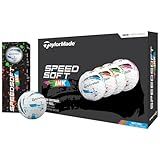
TaylorMade Golf Speed Soft Ink Multi Pack Golf Balls
- SOFT FEEL ENHANCES PERFORMANCE FOR EVERYDAY GOLFERS AT $25/DOZEN!
- PWRCORE TECHNOLOGY BOOSTS SPEED WHILE MAINTAINING SOFTNESS.
- AFFORDABLE QUALITY: PREMIUM PERFORMANCE WITHOUT BREAKING THE BANK!


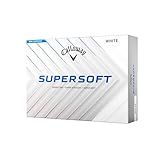
Callaway Golf Supersoft Golf Balls (2025, White)
- BOOST BALL SPEED & SOFT FEEL FOR ENHANCED PERFORMANCE.
- HYBRID COVER DELIVERS DISTANCE, SOFTNESS, & DURABILITY.
- SUPERIOR GREENSIDE SPIN FOR ULTIMATE CONTROL & PRECISION.
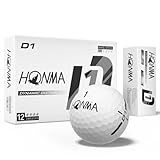
Honma 2024 D1 Distance Golf Balls,Extra Soft Feel with Long Distance,High Speed Core with Low Spin Design,Low Compression Golfballs Perfect for Men,Women Beginners,White,1 Dozen
- EXPLOSIVE DISTANCE: ENGINEERED FOR HIGHER FLIGHT AND MAXIMUM CARRY.
- SOFT FEEL & SPEED: LOW SPIN CORE FOR EXCEPTIONAL TOUCH AND REBOUND.
- FLY LONG & STRAIGHT: 368-DIMPLE PATTERN REDUCES AIR RESISTANCE SIGNIFICANTLY.
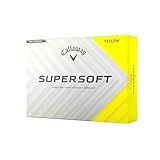
Callaway Golf Supersoft Golf Balls (2025, Yellow)
- BOOST BALL SPEED WITH SOFT FEEL FOR FASTER PERFORMANCE.
- EXPERIENCE EXCEPTIONAL FEEL & CONTROL FOR LONG-DISTANCE SHOTS.
- ACHIEVE ENHANCED GREENSIDE SPIN FOR PRECISE SHORT GAME CONTROL.
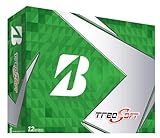
Bridgestone Golf Treosoft Golf Ball
- SOFTER FEEL AND LONGER DISTANCE FOR MODERATE SWING SPEEDS.
- SEAMLESS COVER TECHNOLOGY ENSURES ACCURATE FLIGHT EVERY TIME.
- VERSATILE PERFORMANCE FOR CHIPPING, PITCHING, AND PUTTING.
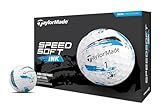
TaylorMade Golf SPEEDSOFT Ink Golf Balls Blue ONE Dozen
- UNIQUE PAINT SPLATTER DESIGN SETS YOU APART ON THE COURSE!
- IDEAL FOR GOLFERS SEEKING A FRESH, STANDOUT PERFORMANCE!
- CONVENIENT 12-PACK-ELEVATE YOUR GAME WITH EVERY SWING!
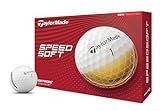
TaylorMade Golf SPEEDSOFT Golf Balls ONE Dozen
-
SOFT FEEL AND EXPLOSIVE SPEED FOR EVERYDAY GOLFERS-JUST $25/DOZEN!
-
NEW PWRCORE TECHNOLOGY ENHANCES SPEED WHILE MAINTAINING SOFTNESS.
-
HIGH VISIBILITY YELLOW FOR IMPROVED BALL TRACKING ON THE COURSE.
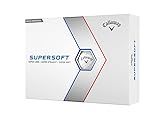
Callaway Golf Supersoft Golf Balls (2023, White)
- SPEED AND SOFTNESS BLEND FOR EXPLOSIVE BALL PERFORMANCE.
- ENHANCED CONTROL AND SPIN FOR PRECISION AROUND THE GREEN.
- DURABLE HYBRID COVER MAXIMIZES DISTANCE WITH A SOFT TOUCH.
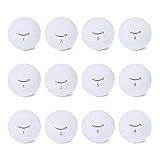
Amazon Basics Core Soft Golf Balls, 12-Pack, White
- UNMATCHED DISTANCE & STRAIGHT FLIGHT WITH 12 LOW COMPRESSION BALLS!
- BOOST SHORT GAME CONTROL AND PUTTING ACCURACY FOR BETTER RESULTS.
- HIGH VISIBILITY & ALIGNMENT AID FOR CONFIDENT, ACCURATE PUTTS!
Low Compression Golf Balls Review Guide in 2026 matters more than most golfers realize, because the wrong ball can quietly steal distance, feel, and confidence from your game.
I’ve tested enough golf balls over cold mornings, windy afternoons, and soft municipal fairways to know this: a lot of players are using balls built for swing speeds they simply don’t have. That mismatch shows up fast - harsh feel off the face, lower launch than expected, and short-game feedback that never quite clicks.
If you’re trying to decide whether a softer golf ball is right for you, you’re in the right place. You’ll learn how low compression golf balls work, who benefits most, what features actually matter, and how to choose one that fits your swing instead of fighting it.
Low Compression Golf Balls Review Guide in 2026: Why Softer Still Matters
Low compression golf balls aren’t just for seniors or beginners anymore.
That old stereotype doesn’t hold up in 2026, especially as ball design has become more refined. Today’s soft golf balls can offer better energy transfer at moderate swing speeds, a more responsive feel on chips and putts, and surprisingly solid all-around performance.
Compression, in simple terms, refers to how much the ball deforms at impact. A lower compression ball compresses more easily, which helps players with slower swing speeds create more efficient launch conditions.
That matters because most amateur golfers don’t swing nearly as fast as tour-level players. If your driver speed lives in the moderate or below-average range, a hard ball can feel like hitting a pebble.
And yes, feel matters.
A softer feel often gives you better confidence around the greens. For many players, that alone is enough to improve touch on pitches, bump-and-runs, and putts.
Who Should Read This Low Compression Golf Balls Review Guide in 2026?
If any of these sound like you, low compression golf balls deserve a serious look:
- You have a slow to medium swing speed
- You struggle to get enough carry distance
- You want a softer feel off the putter and wedges
- You lose too many shots to low launch or poor contact
- You’re a newer golfer trying to make the game feel easier
- You play in cooler weather, where firmer balls can feel even harder
I’ve also seen mid-handicap players benefit in a big way. Not because the ball magically fixes swing flaws, but because it can reduce the punishment of imperfect contact and make mishits feel more playable.
What to Look For in a Low Compression Golf Balls Review Guide in 2026
Not all low compression balls perform the same. Some are built mainly for distance, while others lean into greenside feel or straighter flight.
Here are the key features I’d focus on.
1. Compression Rating
This is the obvious starting point.
Generally, low compression golf balls sit in the softer range, often designed for golfers who don’t create elite clubhead speed. If you swing under roughly average amateur driver speeds, this spec deserves extra attention.
2. Cover Material
The cover affects feel, spin, and durability.
Softer cover materials tend to improve greenside control and feel more responsive on finesse shots. Firmer covers often last longer and may reduce excessive spin for players who slice.
3. Core Design
The core is the engine of the ball.
A well-designed low compression core can help produce easier ball speed, higher launch, and better carry for moderate swingers. That’s where the best distance gains usually come from.
4. Spin Profile
Not every golfer needs maximum spin.
If you already generate plenty of side spin, a lower-spinning soft ball may help with straighter tee shots. If your short game is your strength, you may want a model that offers more wedge bite and stopping power.
5. Ball Flight and Launch
Some low compression balls launch higher by design.
That can be a huge advantage if your shots come out flat or struggle to hold greens. For players with naturally high launch, though, too much height can cost roll and control in the wind.
6. Feel on Short Shots
This is where many golfers notice the difference immediately.
A ball can look great on paper, but if it feels dead off the putter or too springy on half-wedges, you probably won’t trust it. And trust is everything around the green.
7. Durability
Soft doesn’t have to mean fragile.
That said, some low compression options can scuff faster, especially if you play firm bunkers or tree-lined courses. If you play often, durability becomes part of the value equation.
Benefits of Low Compression Golf Balls in Real Play
Now let’s connect the specs to what you actually care about on the course.
Easier Distance for Moderate Swing Speeds
This is the headline benefit.
If your swing speed is on the lower side, a soft compression golf ball can help you get more efficient energy transfer at impact. That often leads to better launch and a little more carry, even if it’s not night-and-day.
Softer Feel That Builds Confidence
There’s a reason so many recreational golfers prefer soft feel golf balls.
Putts feel less clicky. Chips feel more controlled. Even full iron shots can feel smoother, especially in cold conditions.
More Forgiveness on Mishits
No ball can erase a bad swing.
Still, a softer ball often feels less punishing on thin strikes or heel contact. For everyday golfers, that can make the round feel more manageable and less frustrating.
Better Performance in Cool Weather
Cold temperatures make golf balls play firmer.
A lower compression option can help offset that, which is one reason many golfers switch during fall and winter rounds. If you play year-round, this is a practical advantage, not just a technical one.
Potentially Straighter Flight for Some Players
This depends on the design, but many soft distance golf balls are built to reduce excess spin off the driver.
That can help players who fight a slice or ballooning tee shots. It won’t cure a severe swing path issue, but it can reduce the damage.
Low Compression vs High Compression: Which Golf Ball Is Better?
The real answer is simple: the better ball is the one that matches your swing.
High compression golf balls are typically better suited to faster swingers who can fully compress the ball and take advantage of firmer construction. They often deliver stronger control and stability for high-speed players.
Low compression models shine for golfers who need help with launch, feel, and efficient ball speed at everyday swing speeds.
If you’ve wondered whether premium golf balls worth it really depends on your skill level, that’s exactly the right question. Performance is never just about “better” or “worse” - it’s about fit.
Common Mistakes Golfers Make With Soft Golf Balls
I see these errors all the time.
Choosing by Marketing Instead of Swing Fit
A lot of golfers buy whatever sounds longest or most “tour-inspired.”
That usually backfires. If your game is built on moderate speed and inconsistent contact, choose the ball that helps your launch, feel, and forgiveness first.
Ignoring Short-Game Feel
Some players only test driver distance.
That’s a mistake because your scoring lives inside 100 yards. If a ball feels unpredictable on chips and putts, it’s probably not your best match.
Switching Balls Every Round
You can’t learn your distances if your ball keeps changing.
Pick one type and stick with it for several rounds. That consistency helps you understand trajectory, rollout, and green-side reaction.
Assuming Soft Means Low Quality
Not anymore.
Modern low compression golf balls can be highly engineered, stable in flight, and genuinely useful for a wide range of players. Soft is a fit characteristic, not a downgrade.
Expert Recommendations From Real-World Testing
After plenty of on-course testing, range sessions, and short-game practice, here’s what tends to work best.
Match the Ball to Your Driver Speed First
Your driver speed tells you a lot about whether you’ll benefit from a low compression design.
If you don’t swing especially fast, starting with softer compression is usually the smarter play. Then you can fine-tune based on spin, feel, and trajectory.
Test on the Green Before You Test on the Tee
This surprises people, but it works.
Hit putts, chips, and 40-yard pitches first. If you hate the feel there, you’re unlikely to love the ball overall, no matter what the driver numbers say.
Use the Same Ball for at Least 3 Rounds
One bucket session won’t tell you enough.
Play the same model in calm weather, wind, and one pressure round. You’ll get a much more honest read on whether it helps your game.
Pro tip: If your iron shots feel too firm in the morning but fine by afternoon, temperature may be affecting your current ball more than your swing is.
Don’t Overlook Construction
Two-piece, three-piece, and multi-layer designs can all fall into the low compression category, but they won’t perform the same.
A simple distance-focused build may help you maximize forgiveness and length. A multi-layer ball may offer better greenside spin and more complete all-around performance.
How to Choose the Best Low Compression Golf Ball for Your Game
This is where most buying decisions become much easier.
If You’re a Beginner
Prioritize:
- Soft feel
- Straight flight
- Durability
- Good value for frequent losses
At this stage, consistency and confidence matter more than maximum spin control.
If You’re a Senior Golfer
Focus on:
- Easy compression
- Higher launch
- Better carry distance
- Soft feedback off all clubs
This is often where low compression golf balls make the most obvious difference.
If You’re a Mid-Handicap Player
Look for balance.
You likely want some driver forgiveness, but you also need enough short-game control to attack pins and manage scoring shots. A balanced soft ball is often the sweet spot.
If You Struggle With a Slice
Look for:
- Lower driver spin
- Stable flight
- Mid-to-high launch
- Consistent feel
Ball choice won’t fix path and face issues, but it can make your misses more playable.
How Low Compression Golf Balls Compare to Other Buying Factors
Golf ball choice doesn’t happen in isolation.
If you’re debating whether you should buy from a premium tier or stay practical, this breakdown on whether premium golf balls worth it adds helpful context.
If you like understanding where golf ball technology comes from, this look at the callaway golf balls manufacturer side of the industry gives useful background on production and quality control.
You may also want to compare your soft-ball shortlist against broader market leaders. A quick scan of today’s top rated golf balls can help you see how low compression options stack up against all-around performers.
And if you’re buying for events, gifts, or league play, these custom golf balls advantages are worth considering before you place a larger order.
💡 Did you know: Some golfers testing softer balls also explore practice or specialty options like biodegradable golf balls for water-adjacent ranges, travel practice, or eco-conscious play.
How to Get Started With This Low Compression Golf Balls Review Guide in 2026
You don’t need a launch monitor to make a smart choice.
Start with a simple process:
- Be honest about your swing speed. Most amateurs benefit from more softness than they think.
- Choose two or three low compression options. Don’t test ten at once.
- Start with putting and chipping. Feel is easier to judge there.
- Then test driver launch and carry. Look for easy height and consistent contact.
- Play at least three rounds with one model. Let course performance decide.
- Track simple notes. Distance, feel, short-game trust, and durability tell the story quickly.
The biggest win is not finding the “perfect” ball.
It’s finding a ball that makes your game feel easier, more predictable, and more enjoyable.
Final Take: Is a Low Compression Ball Right for You?
If your current ball feels hard, launches low, or gives you poor touch around the greens, there’s a strong chance a softer option will suit you better.
That’s the heart of this Low Compression Golf Balls Review Guide in 2026: match the ball to your real swing, not your ideal swing. Test with purpose, trust what you feel on the course, and commit to one ball long enough to learn it. Your next step is simple - shortlist a few low compression options, take them to the practice green, and let performance make the decision.
Frequently Asked Questions
are low compression golf balls better for slower swing speeds?
Yes, in many cases they are. A low compression ball is easier to deform at impact, which can help golfers with slower swing speeds create better launch, softer feel, and more efficient distance.
what compression golf ball should I use if I’m a beginner?
Most beginners do well with a softer, lower compression golf ball that offers easy launch and forgiving flight. You’ll usually benefit more from feel and consistency than from a firmer tour-style design.
do low compression golf balls go shorter for fast swingers?
They can, depending on the ball design and the player. Golfers with high swing speed often get better control and energy transfer from a firmer ball, especially on full shots and into the wind.
are low compression golf balls worth buying in 2026?
Yes, especially if you want more comfort, playable distance, and better short-game feel at moderate swing speeds. Modern designs in 2026 are far better balanced than older soft balls, so you’re not automatically giving up all-around performance.
how do I test low compression golf balls before I buy a lot of them?
Start with a small sleeve or trial pack and use the same ball for putting, chipping, and at least one full round. Pay attention to feel, launch, carry distance, and whether you trust the ball under pressure.