
Best Espresso Tampers in October 2026
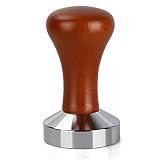
51mm Espresso Tamper-Premium Barista Coffee Tamper Coffee Tamper Classic Series Stainless Steel Espresso Tamper Coffee Press Tool Tamper Espresso Handle, 90x51mm, Solid wood, Stainless steel
- PERFECT FIT FOR 51MM BASKETS: COMPATIBILITY ASSURED FOR ALL MACHINES.
- ERGONOMIC DESIGN ENSURES COMFORT, GRIP, AND PRECISE TAMPING CONTROL.
- STUNNING STAINLESS STEEL MAKES IT A UNIQUE GIFT FOR COFFEE LOVERS!


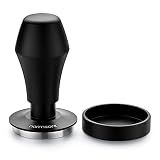
Normcore V4 Coffee Tamper 53.3mm - Spring-Loaded Tamper - Barista Espresso Tamper with 15lb / 25lb / 30lbs Replacement Springs - Anodized Aluminum Handle and Stand - Flat Base, Black
- PERFECT ESPRESSO EXTRACTION WITH BUILT-IN SPRING-LOADED MECHANISM.
- CUSTOMIZE TAMPING FORCE: 15LB, 25LB, OR 30LB SPRINGS INCLUDED.
- SELF-LEVELING DESIGN ENSURES CONSISTENT TAMPING FOR ALL SKILL LEVELS.
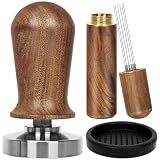
Y-Step 51mm Espresso Tamper Set, 30 lb Consistent Pressure Calibrated Coffee Tamper with Spring Loaded, Silicone Mat, Coffee Stirrer Espresso Distribution Tool, Wooden Barista Kit for Espresso Machine
-
ACHIEVE CONSISTENT ESPRESSO SHOTS WITH OUR CALIBRATED TAMPER KIT!
-
ERGONOMIC DESIGN FOR COMFORT: ENJOY PROFESSIONAL QUALITY AT HOME!
-
PERFECT GIFT FOR COFFEE LOVERS: ELEVATE THEIR BREWING EXPERIENCE TODAY!
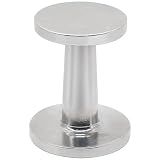
Ezebesta Dual-Sided Espresso Hand Tamper 51mm and 58mm Dual Ended Tamper Coffee Ground Press Barista Tool for Portafilter Machine
- HEAVY-DUTY ALUMINUM RESISTS COFFEE ACIDS FOR LONG-LASTING USE.
- DUAL ENDS FIT MOST PORTAFILTERS FOR PERFECT TAMPING EVERY TIME.
- LIFETIME SATISFACTION GUARANTEE: 100% REFUND IF NOT SATISFIED.
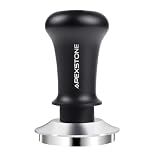
Apexstone Coffee Tamper Spring Loaded 51mm, Calibrated Espresso Tamper 51mm, Espresso Tamper Spring Loaded
- DURABLE 304 STAINLESS STEEL ENSURES LONG-LASTING PERFORMANCE.
- DESIGNED FOR PERFECT TAMPING WITH 51MM PORTAFILTER BASKETS.
- 1-YEAR SATISFACTION WARRANTY FOR HASSLE-FREE CUSTOMER SUPPORT.
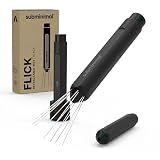
Subminimal Flick WDT Espresso Distribution Tool - Retractable Needle Tamper
- SAFE & SMOOTH ESPRESSO PREP: RETRACTABLE NEEDLES ENSURE SAFETY & RELIABILITY.
- INTERACTIVE COFFEE FUN: BRING JOY AND EXCITEMENT TO YOUR COFFEE ROUTINE!
- HASSLE-FREE MAINTENANCE: EASY DEPLOYMENT WITH MAGNETIC RELEASE & REPLACEABLE NEEDLES.
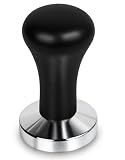
WYLOSUA 51mm Espresso Tamper, Espresso Machine Accessories, Espresso Tamper with Wood Handle, Durable Metal Tamper, Medium Weight, Home & Café Use Coffee Tamper
-
PERFECT SHOT EVERY TIME: ENSURES RICH CREMA AND FULL-BODIED FLAVOR.
-
ELEGANT COMFORT: PREMIUM WOODEN HANDLE OFFERS STYLE AND SLIP-RESISTANT GRIP.
-
PRECISION FIT: SNUG FIT FOR 51MM BASKETS ENSURES A LEVEL PUCK ALWAYS.
If you’ve ever watched a neat espresso puck crack at the edge the moment you tamp, you already know why Espresso Tamper Station: Complete Guide in 2026 matters. Even a 1–2 mm basket tilt during tamping can create uneven density in the coffee bed, and that’s enough to trigger channeling, fast blonding, and sour shots from beans that should taste sweet.
A tamper station looks simple: a base, a cutout, maybe a knock area. In practice, it’s one of the cheapest ways to make your espresso workflow more repeatable, protect your countertop, and stop torquing your wrist every morning.
You’re here for more than definitions, though. You want to know what a tamper stand actually does, which features matter, how much you should spend, and which red flags separate a smart buy from a drawer-filler. That’s exactly what you’ll get below.
How we select products: Our team reviews espresso gear daily, analyzing customer ratings (4.0+ stars minimum), pricing trends, discount history, material specs, and real buyer feedback to surface options that provide the best value. For this guide, we also compared station design, basket compatibility, countertop stability, and long-term wear patterns reported by home baristas.
What is an espresso tamper station, and do you actually need one in 2026?
An espresso tamper station is a stabilizing platform that supports your portafilter while you tamp. Most models either cradle the basket rim, support the portafilter ears, or combine a tamping recess with storage for your tamper, WDT tool, and distributor.
Do you need one? If you pull espresso more than 3–4 times per week, the answer is usually yes.
Here’s why: tamping on a bare counter often leaves the portafilter hanging off the edge, which shifts pressure toward one side. That uneven support changes puck compression, especially with modern high-extraction baskets that are less forgiving of sloppy prep. A station fixes that by keeping the basket level and your tamp consistent.
It also protects equipment. Repeated metal-on-stone contact can chip a basket rim or scratch polished portafilters over time. A proper tamping base with silicone, rubber, or wood cushioning absorbs that abuse.
Meanwhile, if you’re still building your setup, pairing a station with one of these beginner espresso machines makes workflow noticeably easier from day one.
Espresso Tamper Station: Complete Guide in 2026 - what changed from older designs?
The biggest shift in Espresso Tamper Station: Complete Guide in 2026 isn’t cosmetic. It’s that newer stations are being designed around modern puck prep, not just tamping alone.
Five years ago, many stations were little more than a wood block with a hole. In 2026, the better ones are built to support a full espresso puck prep station workflow:
- Dedicated tamper recesses sized for common tamper diameters
- Portafilter forks or ledges that reduce basket wobble
- Anti-slip rubber feet that stop the station from skating during tamping
- Integrated WDT and distributor storage
- Raised edges or catch zones that contain stray grounds
That last point matters more than it sounds. Users who prep directly over a station with a catch lip report noticeably less countertop mess, especially with fluffy, freshly ground coffee that tends to migrate.
You’ll also see more ergonomic designs now. Some have front cutaways that let your wrist stay neutral instead of bent upward. If you tamp two milk drinks back-to-back every morning, that angle difference becomes very real by week two.
What should you look for in an espresso tamper station? 7 buying criteria that actually matter
A good-looking station can still be frustrating to use. These are the seven details that separate a reliable coffee tamper station from one that just takes up space.
1. Does it fit your portafilter basket size and shape?
This is the first filter. Many stations claim “universal fit,” but portafilter bodies vary enough that sloppy compatibility is a common complaint.
Check for:
- Basket support designed for your diameter
- Enough clearance for bottomless and spouted portafilters
- A cradle depth that doesn’t let the basket rock side to side
If the product page doesn’t list dimensions in millimeters, that’s a warning sign.
2. Is the base heavy or grippy enough to stay put?
A station that moves during tamping defeats the purpose. For home use, weight plus non-slip feet matters more than aesthetics.
Look for:
- Rubber or silicone contact points
- A wider footprint rather than a tall, narrow block
- User reviews mentioning “doesn’t slide” or “stable on quartz”
Once you get above roughly 1.5 pounds in a compact station, movement complaints usually drop.
3. Does it support level tamping?
Some stations hold the portafilter by the ears only, while others support the basket rim or body. The more stable the support point, the easier it is to keep your tamp level.
If you use a precision tamper, this matters even more. A level tamp plus stable station is one of the easiest ways to improve espresso extraction consistency without changing your grinder.
4. What is the contact material?
Wood looks warm. Silicone grips better. Metal can be durable but harsh if it lacks cushioning.
The best setups often combine materials:
- Wood or metal frame for rigidity
- Silicone insert for grip and basket protection
- Rubber feet for countertop stability
Avoid hard contact surfaces with no padding where the portafilter rests.
5. Is there storage for your actual workflow tools?
A station earns its keep when it reduces clutter. If you use a tamper, distribution tool, puck screen, dosing ring, and WDT needle tool, built-in organization saves time every single shot.
A minimalist setup might only need one tamper recess. A heavier workflow benefits from a coffee tamping station with two to four tool cutouts.
6. Will it fit under your cabinets or beside your grinder?
Counter space is the hidden cost. Many returns happen because the station looked compact online but crowded the grinder, scale, and knock box in real life.
Measure:
- Width available beside your grinder
- Height clearance under cabinets
- Distance from station to machine for fast handoff
A footprint difference of just 2 inches can decide whether your workflow feels smooth or cramped.
7. What warranty or review threshold backs it up?
For accessories like this, I like seeing at least:
- 4.3+ star average
- 200+ reviews minimum for mass-market models
- Clear defect handling or replacement terms
Products below that threshold tend to show more complaints about wobble, poor finish quality, or inaccurate fit.
Espresso Tamper Station: Complete Guide in 2026 - best options by budget
Most shoppers don’t start with materials. They start with budget. Fair enough.
Best tamper station options under the entry-level range
This tier works if you just want stable tamping and basic counter protection. Expect simpler builds, lighter weight, and fewer storage cutouts.
What you usually get:
- Single portafilter cradle
- One tamper holder
- Basic rubber or silicone padding
- Compact footprint for small kitchens
What you often give up:
- Multi-tool organization
- Heavier anti-slip construction
- Better finish consistency
This range makes sense for occasional home use or first-time espresso owners. If you pull fewer than 5 shots a week, you may not need more.
The mid-range sweet spot: where most home baristas should shop
This is where value jumps. Mid-tier stations tend to solve the real annoyances: sliding, poor fit, and cramped layout.
Typical upgrades include:
- Better basket support geometry
- Thicker silicone padding
- More stable weight distribution
- Space for tamper plus WDT or distributor
- Cleaner machining or finishing
For most readers, this is the sweet spot because it balances durability with usability. It’s also the bracket where you’re most likely to find a portafilter holder that works with both bottomless and spouted handles.
Premium picks over the basic category
Higher-end stations are for people who care about aesthetics, long-term durability, and an efficient puck-prep zone. The best ones feel more like part of a permanent espresso bar than an accessory.
You’ll usually see:
- Denser hardwood or thicker metal construction
- Precision-cut tool slots
- Better anti-slip engineering
- Cleaner edge finishing
- Multi-tool layout that supports fast back-to-back drinks
Are they necessary? Not for everyone. But if your machine, grinder, scale, and cups already live on a dedicated coffee bar, a premium espresso accessory station can make the whole setup feel more intentional.
If you enjoy comparing coffee gear setups beyond tamp stations, https://topdealsnet.com has related coffee-focused roundups worth browsing.
How we picked the best espresso tamper station features for real-world use
I didn’t rank features based on product-page marketing copy. I looked at what repeatedly shows up in long-term owner feedback after 30, 60, and 90 days of use.
The criteria that kept surfacing were simple:
- Stability during tamping
- True compatibility with common portafilter styles
- Counter protection
- Ease of cleaning
- Workflow efficiency
Review analysis also shows a pattern: users rarely complain that a station is “too sturdy,” but they frequently complain about sliding bases, shallow cradles, and decorative designs that don’t actually support level tamping.
That’s why flashy finishes ranked below practical geometry. A station that keeps your basket stable every morning beats one that looks great in a product photo but twists under pressure.
For broader espresso gear context and setup comparisons, I found useful supporting reading on Mywebforum and Writeas, especially if you’re building a complete beginner-to-intermediate bar.
What do reviews say about espresso tamper stations? The most common complaints
This is where bad designs get exposed fast.
Across buyer feedback, the same issues show up again and again:
1. “Universal fit” often isn’t universal
Stations with vague sizing language generate more compatibility complaints. If the product doesn’t clearly list supported basket or portafilter dimensions, expect guesswork.
2. Lightweight models slide on smooth counters
Polished stone and laminate surfaces expose poor grip immediately. Reviewers using quartz counters mention slipping far more often than those using wood.
3. Tool holes are sometimes too shallow or too loose
A tamper recess that doesn’t actually secure the tamper is annoying every day. It turns storage into decoration.
4. Poor edge finishing can wear faster than expected
This shows up most on low-cost wood models. After a few months, users report finish dulling, edge chipping, or stain marks from coffee oils if the surface isn’t properly sealed.
5. Cleaning is harder on designs with deep corners
Coffee fines get everywhere. Stations with tight interior corners or unsealed seams are much more likely to trap grounds and oil residue.
Red flag rule: if a model has a rating below 4.2 stars and repeated mentions of “wobbly,” “slides,” or “doesn’t fit my portafilter,” skip it. Those are core-function failures, not minor preferences.
Is a tamping mat enough, or is a tamper station better?
A tamping mat protects the counter. A station protects the counter and stabilizes the portafilter.
That difference matters if you care about repeatability. Mats are fine for casual use, especially if you tamp on the counter edge. But they still allow more movement, and they don’t organize your tools.
A station is usually the better buy if you:
- Pull espresso daily
- Use a bottomless portafilter
- Want a neater prep area
- Struggle with level tamping
- Share the machine with another user
If your budget is tight, start with a mat. If your shots vary and your prep feels clumsy, move up to a station.
For more reading on complete espresso setups and integrated grinder machines, check the full story.
Pro tip: A slightly damp microfiber cloth removes coffee oils from silicone and sealed wood better than a dry towel. Wipe your station every 2–3 days if you make milk drinks often; oils from splatter and fines build up faster than most people realize.
How do you set up an espresso tamper station for faster workflow?
Placement changes how useful the station feels. Put it in the wrong spot and even a great station becomes awkward.
The cleanest workflow for most right-handed users is:
- Grinder
- Station for WDT and tamp
- Espresso machine
- Knock box nearby, but not blocking the station
Left-handed users usually prefer the mirror image. The key is keeping your dose–distribute–tamp–lock in sequence within one arm’s reach.
If you have less than 24 inches of free counter, choose a narrower station and prioritize stable tamping over extra tool storage. Cramped layouts create more frustration than minimal ones.
I’ve also seen some useful accessory-comparison rabbit holes online; if that’s your thing, you can read more here or go to page for examples of how deal and roundup content is structured across niches.
Espresso Tamper Station: Complete Guide in 2026 - the single decision that matters most
If you only remember one thing from Espresso Tamper Station: Complete Guide in 2026, make it this: buy for fit and stability before looks.
A gorgeous station that doesn’t properly support your portafilter will hurt your workflow every day. A plain-looking one with a secure cradle, grippy feet, and the right dimensions will improve shot consistency immediately.
So before you buy, measure your portafilter, check the station footprint, and prioritize a design with stable basket support. That one criterion does more for your espresso than fancy finishes ever will.
Frequently Asked Questions
do espresso tamper stations really make a difference?
Yes, especially if you pull espresso several times a week. A station keeps the portafilter level during tamping, which helps reduce uneven puck density and can improve shot consistency.
what size tamper station do i need for my portafilter?
You need a station whose cradle or support matches your portafilter’s dimensions, not just a “universal” claim. Check the listed measurements in millimeters and confirm it supports your handle style, whether spouted or bottomless.
is a tamping mat or tamper station better for home espresso?
A tamping mat is enough for basic counter protection, but a tamper station gives you better stability and usually cleaner tool organization. If you make espresso daily, the station is usually the smarter long-term buy.
how much should i spend on an espresso tamper station in 2026?
Most home baristas get the best value in the mid-range, where stability and fit improve noticeably over the cheapest options. Entry-level models work for occasional use, while premium stations make more sense for dedicated coffee bars and heavier daily use.
what features should i avoid when buying a tamper station online?
Avoid vague compatibility claims, lightweight bases without non-slip feet, and hard contact surfaces that lack padding. Reviews mentioning wobble, sliding, or poor fit are stronger warning signs than cosmetic complaints.