
Best Fish Tank Cleaners and Gravel Vacuums in November 2026
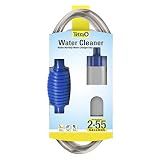
Tetra Water Cleaner Gravel Siphon For Aquariums Up to 55 Gal | Makes Water Changes Easier, Removes Debris From Gravel, Remove 30% Of Water Every 30 Days
- EFFORTLESSLY CLEAN AQUARIUMS UP TO 55 GALLONS IN JUST 30 MINUTES!
- REMOVE DEBRIS EASILY WITH OUR EFFICIENT GRAVEL SIPHON DESIGN.
- QUICK SETUP INCLUDED: SIPHON, PRIMING BULB, AND BUCKET CLIP!


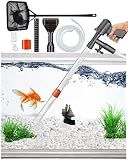
QZQ Aquarium Gravel Cleaner Vacuum Fish Tank Cleaner Tools Kit | [2026 Edition] Water Changer with Aquarium Thermometers, Fish Net kit, Use for Fish Tank Cleaning Gravel and Sand
-
MULTI-FUNCTIONAL DESIGN: CLEANS TANKS, CHANGES WATER, AND SCRUBS ALGAE.
-
SAFETY FIRST: MANUAL, SILENT OPERATION; NO ELECTRICITY NEEDED FOR USE.
-
USER-FRIENDLY SETUP: EASY INSTALL; SIMPLY PRESS TO START WATER FLOW.
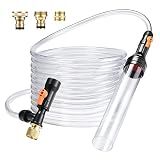
enomol Gravel Vacuum for Aquarium Water Changer Fish Tank Cleaning Tools,Siphon Universal Quick Pump Aquarium Water Changing (30ft)
-
FAST WATER CHANGES: COMPLETE TANK WATER CHANGES SWIFTLY WITH EASE.
-
NO MESS OR NOISE: USE NO BUCKET, PREVENTING SPILLS AND DISTURBING FISH.
-
VERSATILE FAUCET COMPATIBILITY: FITS MOST FAUCETS WITH INCLUDED ADAPTERS.
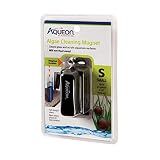
Aqueon Aquarium Algae Scraper, Fish Tank Magnetic Glass Cleaner for Glass/Acrylic, Small
- EFFORTLESSLY CLEAN AQUARIUMS FROM THE OUTSIDE WITH MAGNETIC DESIGN!
- EASILY RETRIEVE FALLEN CLEANER; IT WON'T FLOAT AWAY!
- VERSATILE PAD CLEANS BOTH FLAT AND CURVED AQUARIUM SURFACES!
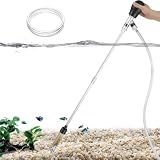
Carefree Fish Small Aquarium Gravel Vacuum Sand Cleaner Tank Water Changer | Silicone Squeeze Bulb,ABS Material Sturdy & Durable,6Ft Hose,(for 3~8Gal Tank) 2026 New Upgrade Version
- EFFORTLESS 3-IN-1 TOOL FOR HASSLE-FREE AQUARIUM MAINTENANCE.
- DURABLE ABS DESIGN ENSURES LONG-LASTING, RELIABLE PERFORMANCE.
- IDEAL FOR 3-8 GALLON TANKS; PERFECT FOR EASY WATER CHANGES.
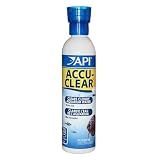
API ACCU-CLEAR Freshwater Aquarium Water Clarifier 8-Ounce Bottle
- QUICKLY CLEARS CLOUDY WATER FOR A CRYSTAL-CLEAR AQUARIUM.
- CLUMPS PARTICLES FOR EASY REMOVAL, BOOSTING FILTER EFFICIENCY.
- CONVENIENT WEEKLY USE ENSURES PRISTINE WATER QUALITY.
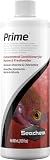
Seachem Prime -500 ml/ 17 fl. oz. | Chemical Remover and Detoxifier
-
COMPLETE CONDITIONER FOR FRESH AND SALTWATER TANKS IDEAL FOR ALL FISH, REMOVES CHLORINE, CHLORAMINE INSTANTLY.
-
DETOXIFIES HARMFUL SUBSTANCES FOR FISH SAFETY NEUTRALIZES AMMONIA, NITRITE, AND HEAVY METALS IN WATER.
-
VERSATILE APPLICATION FOR OPTIMAL RESULTS EASY DOSING FOR NEW WATER; SAFE DOUBLE DOSE FOR EMERGENCIES.
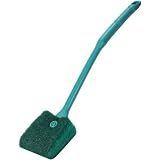
AQUANEAT Fish Tank Cleaning Tools, Aquarium Double Sided Sponge Brush, Algae Scraper Cleaner with Long Handle
- QUICK ALGAE REMOVAL MAINTAINS A CLEAN FISH TANK ENVIRONMENT.
- DURABLE, NON-SLIP HANDLE FOR EFFORTLESS AND EFFICIENT CLEANING.
- CONVENIENT HANGING HOLE FOR EASY STORAGE AND ACCESSIBILITY.
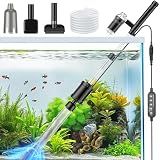
36W Aquarium Vacuum Gravel Cleaner: 8 in 1 Electric Fish Tank Cleaner | Multifunctional Cleaning Tools, Water Change, Sand Washing, Water Filtration, Glass Cleaning, Adjustable Length, Timed Off
-
8-IN-1 FUNCTIONALITY: ONE TOOL FOR CLEANING, FILTERING, AND MORE!
-
ADJUSTABLE POWER & TIMER: CUSTOMIZE SUCTION POWER AND AUTO SHUT-OFF.
-
COMPREHENSIVE FILTRATION: EFFECTIVELY REMOVES 99% OF WATER IMPURITIES.
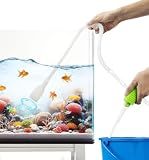
Luigi's Fish Tank Cleaner - Turtle Tank Accessories - Gravel Vacuum for Aquarium - Hand Siphon Hose to Remove and Change Water or Sand in Minutes - Aquarium Cleaning Tools
- FAST & EASY: CLEAR 30L IN JUST 5 MINUTES-NO MESS, NO HASSLE!
- SAFE FOR FISH: PROTECTS SMALL FISH & INVERTEBRATES DURING CLEANING.
- AFFORDABLE QUALITY: EFFECTIVE SIPHON AT A FRACTION OF TYPICAL PRICES.
How to Pick Cleaner Fish for Tank in 2026? starts with one hard truth: most “cleaner fish” don’t actually clean your tank enough to replace maintenance. In mixed home aquariums, algae eaters and bottom dwellers may reduce film algae, leftover food, and soft biofilm, but they also add waste, and the wrong species can become territorial, starve, or outgrow a small setup within a year.
I’ve kept community tanks, planted tanks, and nuisance-algae tanks long enough to see the same mistake repeat: people buy a “fish cleaner tank” solution first and ask compatibility questions later. That usually ends with a stressed pleco in a tank that’s too small, a loach that uproots plants, or a so-called cleaner fish for fish tank setups that ignores algae once it discovers pellets.
Here’s what actually works in 2026: match the cleaner species to tank size, algae type, temperament, water parameters, and feeding reality. Below, you’ll get a practical selection framework, budget-based options, red flags from real hobbyist experience, and the single best way to choose a cleaner fish for tank without creating a bigger mess.
How we select products and recommendations: Our team reviews aquarium gear and livestock categories daily, analyzing buyer ratings, care difficulty, tank-size requirements, long-term suitability, and patterns in hobbyist feedback. For this guide, we prioritized species and setup choices with consistent success in home aquariums, low aggression risk, and realistic care demands for beginners and intermediate keepers.
How to Pick Cleaner Fish for Tank in 2026? Start With the Job You Need Done
The best tank cleaner fish is the one that targets your actual problem. If your glass has green film, you need a different helper than someone dealing with leftover food on sand or brown diatoms on decor.
Think in four categories:
- Glass and soft algae grazers: best for film algae and biofilm
- Bottom scavengers: best for missed food, not true waste removal
- Detritus pickers: useful in lightly stocked tanks with stable feeding
- Hardscape and leaf cleaners: ideal for planted tanks and driftwood biofilm
A lot of searchers type phrases like aquarium fish tank cleaner, fish tank cleaner fish, or cleaner fish in tank expecting one species to do it all. That species doesn’t exist. The best all-around beginner option is usually a small, peaceful algae grazer that stays under 2.5 inches and accepts prepared food once natural algae runs low.
What is the best cleaner fish for fish tank setups in 2026?
For most community tanks, the safest recommendation is a small schooling bottom species or a compact algae grazer suited to the tank’s size. Not because it “cleans everything,” but because it’s more likely to survive, stay peaceful, and fit the bio-load of a home aquarium under 30 gallons.
Here’s a practical ranking by job:
| Need | Best fit in most home tanks | Why it ranks well | Watch-out |
|---|---|---|---|
| Soft algae on glass | Small algae grazer | Efficient on film algae, low bioload | Needs supplemental feeding |
| Leftover food on substrate | Peaceful bottom scavenger | Helps with uneaten food in community tanks | Won’t remove fish waste |
| Planted tank biofilm | Gentle grazer species | Safe around leaves and wood | Can starve in ultra-clean tanks |
| Large tank heavy cleanup support | Larger bottom-dweller species | Strong appetite and durability | Often outgrows small aquariums |
The key takeaway: pick by function, not by marketing label. A “cleaner for fish tank” that grows from 2 inches to over 12 inches is not a beginner-friendly choice, no matter how cheap or common it is.
How to Pick Cleaner Fish for Tank in 2026? Use These 7 Selection Criteria
If you want a fish tank fish cleaner that actually helps instead of causing stress, use these seven filters before you buy.
1. Match the species to your tank size, not your current algae problem
A juvenile cleaner may look tiny in-store, but adult size matters more. Any species that exceeds 5 to 6 inches as an adult is a poor fit for small community tanks under 30 gallons.
That’s why many “starter” algae eaters become rehoming projects. If you’re shopping for a cleaner fish for tank, check adult length first, not store size.
2. Choose based on algae type or waste type
Different cleaners handle different messes:
- Green film algae: small algae grazers do best
- Brown diatoms: some bottom species and grazers help early on
- Uneaten food: bottom scavengers are useful
- Fish poop: no fish solves this; that’s a filtration and siphoning issue
If you’re relying on a fish cleaner tank species to replace water changes, you’ll be disappointed. For actual waste export, your fish tank filter cleaner routine matters more than any livestock choice.
3. Check temperament and compatibility
Some popular cleaners become aggressive with age, especially in cramped tanks. A peaceful community setup usually does best with species known for schooling behavior, low territoriality, and low fin-nipping risk.
This is where many cleaner fish in tank purchases go wrong. The fish may eat algae just fine, then start chasing slower tank mates six months later.
4. Make sure it accepts prepared foods
Natural algae is rarely enough long term. A good fish tank cleaner fish should also eat wafers, blanched vegetables, sinking foods, or protein-appropriate pellets depending on the species.
Pro tip: If a cleaner fish refuses prepared food at the store or seller can’t confirm its diet, skip it. Starvation is one of the biggest hidden causes of “mystery deaths” in algae eaters after the first few weeks.
5. Confirm your substrate suits the fish
Bottom dwellers with barbels do better on smooth sand or rounded fine gravel. Sharp substrate can damage mouthparts and lead to infection.
If you’re also upgrading your substrate, compare grain size and debris-trapping behavior on this page. A poor substrate can undermine even the best gravel fish tank cleaner setup.
6. Balance bioload with filtration capacity
Every cleaner adds ammonia through respiration and waste. In practical terms, adding a tank cleaner fish to a borderline-stocked tank can worsen nitrate buildup unless filtration is strong and maintenance is consistent.
That’s why the real partner to any aquarium fish tank cleaner is a correctly maintained filter. Your fish tank cleaner filter schedule often matters more than the fish itself.
7. Buy a group if the species is social
Some bottom species become stressed or inactive alone. If a fish naturally schools, buy the proper group size from the start instead of one “test fish.”
That affects both behavior and survival. A shy, underfed scavenger in the wrong group size won’t help your tank at all.
Our top recommendation by tank size: the best cleaner fish for tank in 2026
If you want the shortest path to a good decision, use tank size first.
Under 15 gallons: go small or skip fish entirely
In nano tanks, snails and shrimp often outperform fish for algae and biofilm control. Most true fish-based cleaners either need more swimming space, more stable parameters, or a group that overwhelms the bio-load of a tiny aquarium.
Definitive pick: For tanks under 15 gallons, the best “cleaner fish for fish tank” choice is usually no cleaner fish at all. Use invertebrates, manual scraping, and tight feeding control instead.
15 to 30 gallons: small algae grazers and peaceful bottom helpers
This is the sweet spot for beginner-friendly cleanup crews. A compact grazer paired with a small peaceful bottom species usually provides the best balance between visible cleaning behavior and manageable waste.
Definitive pick: For 15- to 30-gallon tanks, choose a species that stays under 3 inches and is known to accept prepared foods.
30 to 55 gallons: more flexibility, but size creep still matters
You can keep larger groups of bottom species here, and you have more room for territorial boundaries. Still, this is where people overestimate capacity and buy “temporary juveniles” that quickly outgrow the tank.
Definitive pick: For 30- to 55-gallon community tanks, a schooling bottom cleaner plus one compatible algae grazer is usually better than one oversized “do-it-all” fish.
Over 55 gallons: specialty cleaners start to make sense
Larger tanks can support species with bigger adult sizes, stronger appetites, and more specific diets. But filtration, oxygenation, and hardscape layout become more important too.
If you’re optimizing the full setup, stable temperature matters as much as cleanup behavior. A reliable thermometer guide on devhubby.com can help you avoid parameter drift that stresses bottom dwellers first.
Best options by budget: where most buyers overspend or underspend
The purchase price of the fish is only part of the equation. Food type, group size, tank upgrade risk, and replacement losses change the real cost.
Best options under a low budget: hardy, small, and easy to feed
This bracket works best for single small grazers or beginner-safe scavengers that don’t require specialized driftwood-heavy diets or oversized tanks. The value play is choosing a species that remains useful after the “new tank algae” phase ends.
Best use case:
- Community tanks with mild algae
- Beginners stocking slowly
- Tanks under 30 gallons
Avoid:
- Any fish sold tiny but known to become large
- Any “cheap” cleaner that requires a group you can’t house properly
The mid-range sweet spot: social bottom species and better long-term fit
This is where you can buy the correct group size, better food, and any extra hides or caves the species needs. For many hobbyists, this is the smartest category because long-term survival is much higher.
Best use case:
- Established aquariums
- Sand-bottom community tanks
- Owners willing to target-feed
Premium setup costs: cleaner fish plus ecosystem support
The highest-value spending isn’t usually on the fish itself. It’s on the support gear: stable lighting periods, proper filtration, oxygenation, and substrate that doesn’t trap waste excessively.
For example, using a timer to lock lights into a stable 6- to 8-hour schedule often reduces algae outbreaks more effectively than adding another grazer. A useful reference is https://dashem.onrender.com.
What to look for before buying a fish tank cleaner fish from a store or breeder
Don’t judge a cleaner by activity alone. Stressed fish often cling, hide, or glass-surf in ways beginners misread as “hardworking.”
Use this checklist:
- Clear body condition: no pinched belly, sunken sides, or eroded fins
- Normal respiration: avoid fish gasping or pumping fast at the gills
- Visible feeding response: ask to see it eat if possible
- No white patches or fuzzy growths: especially on mouth and barbels
- Correct tank label: adult size and minimum group size should be posted
- Compatible water parameters: don’t buy soft-water species for hard alkaline tanks without planning
- Reasonable store stocking density: overcrowded holding tanks hide disease issues
If you’re building out decor at the same time, natural cover can reduce stress for shy bottom species. Driftwood options and layout ideas on topdealsnet.com are useful if your chosen cleaner prefers shaded resting spots.
What the reviews and hobbyist complaints say: 5 red flags to watch in 2026
The most repeated complaints about fish tank gravel cleaner species have barely changed, but buyers are better at documenting them now. Across forums, retailer Q&As, and local club discussions, the same five issues dominate.
1. “It stopped cleaning after a month”
That usually means the fish discovered easier prepared foods. Many species prefer high-calorie pellets over scraping algae once they learn feeding times.
2. “It got too big for my tank”
This is still the biggest mistake in the cleaner fish for tank category. Juvenile sales hide adult size, and many buyers don’t realize growth can be rapid with warm water and heavy feeding.
3. “It bullied my other fish”
Bottom territory matters. In tanks with too few hides or too little floor space, even a useful gravel cleaner fish tank helper can become disruptive.
4. “It died after the algae disappeared”
Some true grazers struggle once the natural food source is gone. If you can’t provide algae wafers, vegetables, wood fiber, or species-appropriate supplements, skip delicate grazers.
5. “The tank still looked dirty”
Because fish don’t replace tools. You still need a gravel cleaner for fish tank, water changes, and filter maintenance to remove dissolved waste and trapped debris.
💡 Did you know? Brown diatoms in newer tanks often decline on their own as the aquarium matures, usually within the first 4 to 12 weeks if silicates and light are controlled. Buying permanent livestock for a temporary phase is one of the most expensive beginner mistakes.
How to Pick Cleaner Fish for Tank in 2026? Pair livestock with maintenance, not wishful thinking
If your substrate holds mulm, no fish tank filter cleaner routine will fully compensate without siphoning. Likewise, if your filter is undersized or clogged, adding a bottom scavenger only increases organic load.
A good system looks like this:
- Cleaner fish for tank matched to algae or food leftovers
- Stable lighting duration
- Weekly substrate cleaning with a gravel cleaner fish tank tool
- Consistent filter rinsing in tank water
- Moderate feeding
- Temperature stability
For lighting upgrades, spectrum and intensity directly affect algae pressure. A practical roundup on Ghost is worth checking if your algae problem keeps returning.
Meanwhile, if you see odd redirect-style links while researching aquarium gear, ignore unrelated pages like www.google.iq or visit site; they’re not relevant to selecting a healthy fish tank cleaner filter setup or livestock plan.
The single best recommendation for most buyers
If you’re unsure how to pick cleaner fish for tank in 2026?, choose the smallest compatible species that matches your tank’s actual problem and adult size limit. Adult size is the single most important criterion because a cleaner that outgrows your tank creates stress, waste, and aggression faster than it solves algae.
For most home aquariums, the smartest move is simple: buy a small, peaceful cleaner that accepts prepared food, keep your filtration strong, and treat cleaning fish as support staff-not the whole maintenance plan.
Frequently Asked Questions
what is the best cleaner fish for a beginner tank?
The best beginner option is usually a small, peaceful cleaner fish for tank that stays under 3 inches and eats prepared foods reliably. That reduces the two biggest beginner problems: starvation after algae disappears and surprise growth that overwhelms a small aquarium.
how many cleaner fish should I put in my tank?
It depends on species, tank size, and whether the fish is social. A solitary grazer may do fine alone, but schooling bottom species often need groups of at least 5 to 6 to behave normally and avoid chronic stress.
is cleaner fish worth it for algae control?
Yes, but only as part of a broader maintenance plan. A cleaner fish for fish tank can reduce soft algae and leftover food, but it won’t replace water changes, scraping, or a proper fish tank gravel cleaner routine.
can a cleaner fish replace a fish tank filter cleaner routine?
No. Cleaner fish add waste; they do not remove dissolved organics, nitrate, or trapped sludge from your filter. You still need regular rinsing of media, flow checks, and a consistent fish tank cleaner filter maintenance schedule.
how to pick cleaner fish for tank in 2026 if I have a small aquarium?
Start by checking adult size, then choose only species proven to stay compact and eat prepared foods. In tanks under 15 gallons, the best answer is often no fish cleaner tank species at all-use shrimp, snails, controlled feeding, and manual cleaning instead.