Best Pickleball Paddles to Buy in October 2026
TENVINA Pickleball Paddles, Multi-Layer T700SC Textured Carbon Fiber Pickleball Paddle, 4-Types of Shapes and Thicknesses, Strong Spin & Power Surface, USAPA Approved Pickle Ball Paddle
-
EXPERIENCE POWER AND CONTROL WITH LIGHTWEIGHT T700SC CARBON FIBER!
-
ACHIEVE PRECISION HITS WITH OUR SUPERIOR MATTE-TEXTURED SURFACE!
-
CHOOSE FROM 4 PADDLE OPTIONS TO MATCH YOUR UNIQUE PLAYSTYLE!


MTEN Pickleball Paddles Set of 2, USAPA Approved Fiberglass Set
-
USAPA APPROVED: PLAY CONFIDENTLY IN TOURNAMENTS WITH OUR CERTIFIED PADDLES.
-
PREMIUM BUILD: LIGHTWEIGHT DESIGN WITH ADVANCED TECHNOLOGY FOR POWER & CONTROL.
-
COMFORTABLE GRIP: ERGONOMIC HANDLE ENSURES SECURE HOLD FOR ENHANCED PERFORMANCE.
Selkirk Sport SLK Neo Paddle Set of 2 | Graphite Red Blue + Sling Bag
-
UNMATCHED QUALITY FROM A FAMILY-OWNED BRAND FOR ALL PLAYERS.
-
ADVANCED GRAPHITE PADDLES FOR MAXIMUM CONTROL & SPIN CONSISTENCY.
-
LIGHTWEIGHT DESIGN WITH ULTRA COMFORT GRIP FOR ALL-DAY PLAY.
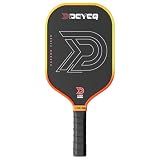
DGYGQ Pickleball Paddles, T700 Raw Carbon Fiber Surface, 16mm Polypropylene Honeycomb Core for All Skill Levels - Larger Sweet Spot for Max Spin, Control & Power
- ELITE PERFORMANCE: HIGH-QUALITY CARBON FIBER FOR UNMATCHED GAMEPLAY.
- DURABLE PROTECTION: PREMIUM EDGE GUARD REDUCES WEAR AND TEAR.
- LIGHTWEIGHT DESIGN: JUST 8 OZ FOR QUICK SHOTS AND EASY HANDLING.
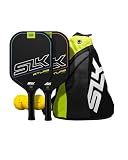
Selkirk Sport SLK Atlas Max Paddles Set of 2 | Carbon Fiber + Sling Bag
-
FAMILY-OWNED QUALITY FUELS YOUR PASSION FOR THE GAME.
-
ENHANCE POWER & ACCURACY WITH OUR RAW CARBON FIBER PADDLES.
-
REV-CONTROL CORE DELIVERS CONSISTENT PERFORMANCE AND A LARGE SWEET SPOT.
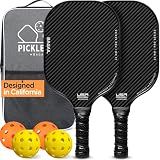
BAGAIL Pickleball Paddles, USAPA Approved Fiberglass Surface Pickleball Set, Lightweight Pickle Ball Rackets with 4 Balls, 1 Bag, Designed in California for Traction and Stability - 2 Pack, Black
- USAPA APPROVED FOR SAFE, TOURNAMENT-READY PLAY!
- EXCEPTIONAL POWER & CONTROL WITH FIBERGLASS CONSTRUCTION!
- COMPLETE SET FOR ALL SKILL LEVELS - READY TO PLAY!
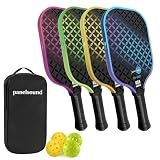
Panel Sound Pickleball Paddles Set of 4, 4 Fiberglass Pickleball Rackets, Pickleball Racquets 4 Pack with 1 Carrying Case & 4 Outdoor Balls
- USAPA APPROVED FOR TOURNAMENT PLAY - TRUSTWORTHY QUALITY YOU CAN RELY ON!
- SET OF 4 PADDLES & ACCESSORIES - PERFECT FOR FAMILY FUN AND FRIENDLY MATCHES!
- COMFORTABLE CUSHIONED GRIP - ENJOY BETTER CONTROL DURING LONG GAMES!
Pickleball continues to grow in popularity in 2026, with many enthusiasts hitting the courts indoors and outdoors (Playing Pickleball in 2026). Like any sport, equipment durability is key, and pickleball paddles often bear the brunt of intense play. Knowing how to repair a damaged pickleball paddle can save you money and extend the life of your paddle.
Understanding Pickleball Paddle Construction
Before diving into repairs, it's helpful to understand how pickleball paddles are constructed. Most paddles are made from materials such as wood, composite, or graphite. They can endure impact from pickleball strikes, but over time they may suffer from normal wear and tear.
Common Paddle Damages
Pickleball paddles can incur various types of damage, including:
- Chipped Edges: Frequent hitting can cause chips around the edges.
- Cracks: Severe impacts may lead to cracks in the paddle face.
- Loose Grips: Grips can wear out or become loose over time.
Dealing with these issues promptly can help maintain optimal paddle performance.
Tools Needed for Paddle Repair
To repair a damaged pickleball paddle, you might need the following tools:
- Sandpaper
- Epoxy or super glue
- Clamps
- Grip tape
How to Repair Chipped Edges
- Clean the Paddle: Ensure the paddle surface is clean and free from dirt.
- Sand the Edges: Use sandpaper to smooth out any rough or chipped areas.
- Apply Epoxy: Carefully apply epoxy to the chipped areas. Make sure it is spread evenly.
- Clamp the Paddle: Use clamps to secure the paddle until the epoxy is set, which usually takes a few hours.
Fixing Cracks in the Paddle Face
- Identify the Crack: Check the paddle for any visible cracks.
- Apply Super Glue or Epoxy: Fill the crack with super glue or epoxy, ensuring it penetrates deeply.
- Let It Dry: Allow the glue or epoxy to set completely before using the paddle.
Reinforcing or Replacing Paddle Grips
- Evaluate the Grip: Check whether the grip is salvageable or needs replacement.
- Remove the Old Grip: Carefully peel off the existing grip.
- Wrap a New Grip: Start at the base and wrap the new grip tape tightly around the handle.
- Secure the End: Use the adhesive provided to secure the grip tape’s end firmly.
Choosing the Right Paddle for You in 2026
When selecting a pickleball paddle, consider the following:
- Material: Decide between wood, composite, and graphite based on your play style and durability needs.
- Weight: Paddles come in different weights, affecting control and power.
- Grip Size: The correct grip size ensures comfort and control.
The right paddle not only improves your performance but also reduces the likelihood of damage, prolonging its lifespan.
Conclusion
Preserving your pickleball paddle’s condition enhances both its lifespan and your game. By understanding common problems and knowing how to fix them, you ensure every match is played with peak performance. In 2025, the pickleball community continues to thrive, from casual games to competitive Pickleball Round Robin 2025 tournaments. Coupled with the best diet for pickleball players, excellence on the court is well within reach.