Best Electric Scooter Seats in October 2026
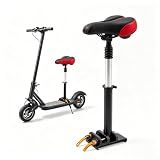
FUODIHEE Electric Scooter Seat, Universal 17''-25'' Adjustable Height
-
CUSTOMIZABLE COMFORT: ADJUSTABLE HEIGHT FOR RIDERS UP TO 6 FT TALL.
-
DURABLE DESIGN: SUPPORTS 220LBS WITH ERGONOMIC COMFORT FEATURES.
-
USER-FRIENDLY: EASY NO-DRILL INSTALLATION FOR HASSLE-FREE SETUP.


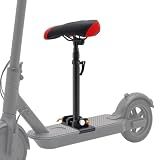
Universal Electric Scooter Seat Adjustable Shock Absorption Seat Comfortable PU Cushion Scooter Seat Ergonomic Electric Scooter Seat Attachment with Aluminum Alloy Support for Adults Xiaomi1S
- ERGONOMIC PU CUSHION: ENJOY ALL-DAY COMFORT FOR LONG RIDES.
- CUSTOMIZABLE HEIGHT: ADJUST FROM 15.74 TO 23.62 INCHES FOR ANY RIDER.
- EASY NO-DRILL INSTALL: QUICK SETUP WITH DURABLE MATERIALS, PROTECTS YOUR SCOOTER.
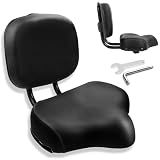
Felixstory Oversized Electric Scooter Saddle with Backrest - Comfortable Wide Bike Seat Cushion Replacement, Extra Wide Bicycle Seat Wing Ergonomic Design, Shock Absorbing, Waterproof, Universal
- ERGONOMIC DESIGN ENSURES FREEDOM OF MOVEMENT FOR LONG RIDES.
- HIGH-DENSITY FOAM GUARANTEES ULTIMATE COMFORT ON EVERY JOURNEY.
- WATERPROOF AND DURABLE, PERFECT FOR ANY BIKE IN ANY WEATHER.
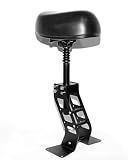
DOF DF-GT08 E - Scooter Seat
- COMFORTABLE SEAT DESIGN FOR LONGER RIDES WITHOUT FATIGUE.
- POWERFUL MOTOR FOR SPEEDY TRAVEL AND SMOOTH RIDES.
- SLEEK, LIGHTWEIGHT FRAME FOR EASY PORTABILITY AND STORAGE.
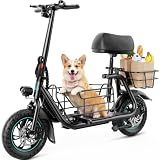
Gyroor C1S Electric Scooter with Seat for Adults - 550W Motor, Pet Basket, 19 MPH Top Speed, 20 Miles Range, 12" Pneumatic Tires, Foldable Commuting Scooter, Black
-
POWERFUL 550W MOTOR: SPEEDS UP TO 19 MPH FOR QUICK COMMUTES!
-
COMFORT RIDE: SHOCK-ABSORBING TIRES & ADJUSTABLE SEAT FOR ALL HEIGHTS!
-
PET-FRIENDLY: INCLUDES DETACHABLE BASKET FOR OUTINGS WITH FURRY FRIENDS!
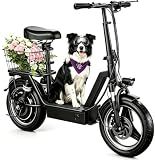
Electric Scooter with Seat- 1000W Peak Motor, 25 MPH Top Speed, 25-30 Miles Range, 14" Tires,Foldable E-Scooter with for Adults & Teens Adjustable Foldable Handlebar and Basket
-
SAFETY FIRST: UL-CERTIFIED WITH DUAL BRAKES FOR UNMATCHED STOPPING POWER.
-
SMOOTH & STABLE: 1000W MOTOR AND 14 TIRES HANDLE ANY TERRAIN EASILY.
-
PORTABLE DESIGN: FOLDABLE FRAME FOR EASY STORAGE AND HASSLE-FREE TRANSPORT.
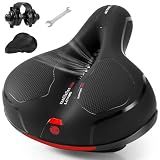
Bike Seat Saddle for Men Women Comfortable Replacement
- 💺 EXPERIENCE ENHANCED COMFORT WITH BUILT-IN CUSHIONING SUPPORT!
- 🔧 EASY INSTALLATION WITH ALL NECESSARY TOOLS INCLUDED-HASSLE-FREE!
- 🌬️ STAY COOL AND DRY: BREATHABLE DESIGN PERFECT FOR LONG RIDES!
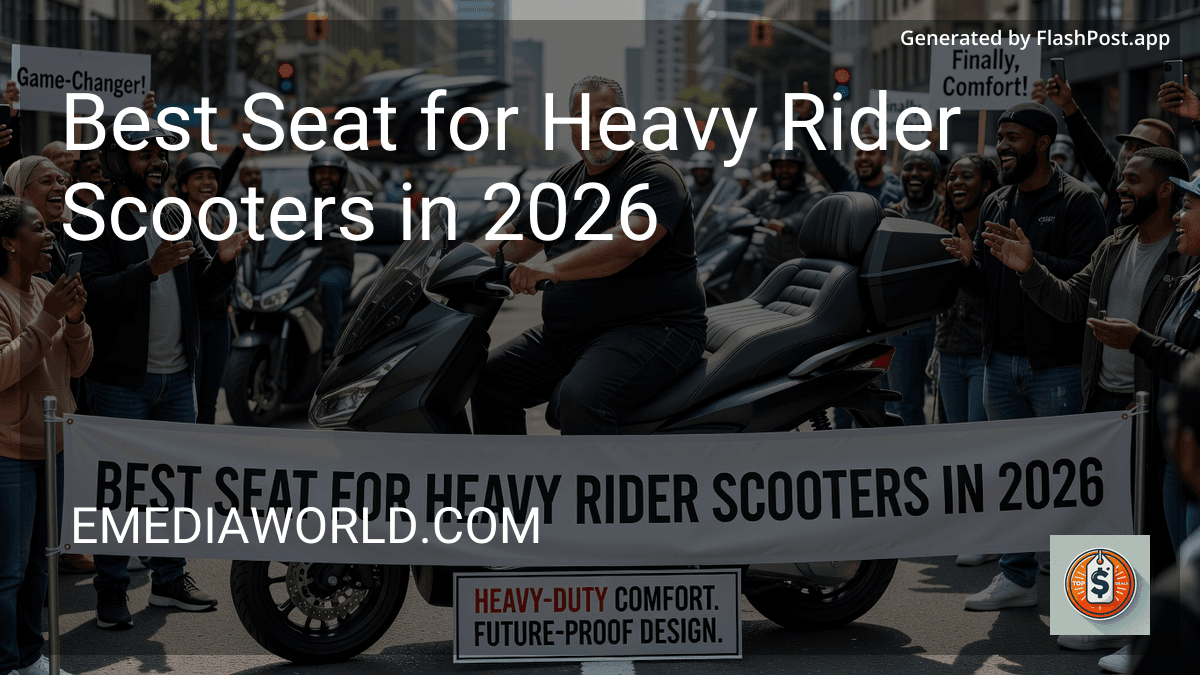
Best Seat for Heavy Rider Scooters in 2026 isn’t just about cushioning. It’s about support, posture, stability, and whether you can ride for 20 minutes without shifting around, going numb, or feeling every crack in the pavement.
If you’re a heavier rider, the wrong scooter seat can turn a practical ride into a frustrating one fast. A narrow base, weak seat post, poor padding, or bad weight distribution doesn’t just hurt comfort - it can affect handling, confidence, and even safety.
The good news? Seat design has improved a lot, and in 2026 there are clearer signs of what actually works. Below, you’ll learn how to choose the right seat, which features matter most for plus-size riders, what mistakes to avoid, and how to set up your scooter for real-world comfort.
What Makes the Best Seat for Heavy Rider Scooters in 2026?
The best seat for a heavy rider does three things well: distributes pressure, supports your hips and lower back, and stays stable under load.
That sounds simple, but a lot of scooter seats still miss at least one of those. I’ve tested enough commuter and seated scooter setups to know that thick foam alone means very little if the base flexes, the mounting hardware creaks, or the seat shape forces your weight into one small hotspot.
So what should you focus on?
1. Seat width that matches your build
A wider seat usually works better for heavier adults because it spreads body weight more evenly across the sit bones and upper thighs.
That said, wider isn’t always better. If the saddle is too wide, your legs may rub during starts and stops. The sweet spot is a seat wide enough to reduce pressure points without interfering with your natural foot position.
2. High-density foam or layered padding
Soft seats often feel great for five minutes, then flatten out.
For the Best Seat for Heavy Rider Scooters in 2026, look for high-density foam, dual-layer padding, or gel-foam combinations that resist compression. You want support with a bit of give - not a marshmallow that bottoms out.
3. Reinforced seat base and seat post
This is where many riders get burned.
A comfortable top means nothing if the underside flexes too much under a higher weight capacity. A reinforced steel or heavy-duty alloy seat frame, secure mounting bracket, and thick seat post matter just as much as the cushion itself.
4. Suspension or shock absorption
If your scooter already has a rough ride, the seat becomes even more important.
A seat with built-in springs, elastomer dampening, or compatibility with a scooter that has strong suspension can dramatically improve comfort. Pair that with proper tire pressure and the difference is obvious on longer rides.
5. Ergonomic shape
Flat benches can work, but most heavier riders benefit from an ergonomic scooter saddle with a slight contour.
Why? Because it helps hold your hips in a more stable position and reduces the constant micro-adjustments that lead to lower back fatigue. A subtle rear rise can also keep you from sliding backward during acceleration.
6. Adjustable height and angle
One of the biggest comfort upgrades is proper fit.
If the seat height is too low, your knees ride too high and your hips get cramped. Too high, and you’ll feel unstable at stops. The ability to fine-tune height and tilt is essential if you want the Best Seat for Heavy Rider Scooters in 2026 to actually feel right for your body.
7. Breathable, durable cover material
Heavier riders often generate more pressure and friction at contact points, so cheap seat covers wear out faster.
Look for a weather-resistant, textured cover that adds grip without trapping too much heat. Durable stitching and water resistance matter too, especially if you occasionally deal with wet roads. If that applies to you, brushing up on electric scooters rain safety 2025 is a smart move.
Best Seat for Heavy Rider Scooters in 2026: Key Features to Look For
If you’re shopping or upgrading, use this checklist before you buy.
-
Higher supported weight rating
Don’t just check the scooter’s max load. Check whether the seat attachment and mounting system are designed for heavier riders too. -
Broad seating platform
A wider platform improves comfort and reduces concentrated pressure on a single point. -
Firm, resilient cushioning
Dense foam holds its shape better over time and supports longer commutes. -
Strong mounting hardware
Bolts, clamps, rails, and brackets should feel solid, not flimsy or prone to wobble. -
Adjustability
Height and tilt adjustments help dial in posture and reduce knee and hip strain. -
Grip-friendly surface
Slippery seat covers make you shift more, which gets tiring quickly. -
Compatibility with suspension systems
A seat that works well with front or rear suspension creates a much smoother ride. -
Easy maintenance
Dirt, water, and sun exposure wear seats down. Materials that wipe clean and resist cracking last longer.
Why the Best Seat for Heavy Rider Scooters in 2026 Matters More Than Most Riders Think
A better seat isn’t a luxury add-on. It changes the whole ride.
First, it improves comfort on longer distances. If you commute, run errands, or use your scooter for daily mobility, a supportive seat helps you stay relaxed instead of bracing against every bump.
Second, it improves posture and control. A stable seating position makes it easier to keep your balance, steer smoothly, and put a foot down confidently at stops.
Third, it can reduce fatigue and pain. Pressure points in the hips, tailbone, and lower back add up fast. The right saddle design helps prevent that nagging discomfort that makes you cut rides short.
There’s also a durability angle. A seat built for a high weight capacity scooter setup usually lasts longer, squeaks less, and stays tighter over time.
💡 Did you know: The seat isn’t the only comfort factor. Tire pressure, deck size, handlebar height, and suspension all influence how supportive the ride feels. Even visibility upgrades can matter for safer longer rides, which is why this electric scooter light comparison is worth checking if you ride at dawn, dusk, or after dark.
Heavy Rider Scooter Seat vs Standard Scooter Seat: What’s the Real Difference?
The difference is usually structural, not cosmetic.
A standard scooter seat might look padded enough, but it often uses thinner foam, a narrower shell, and lighter mounting components. That can be fine for short, occasional rides. It’s rarely ideal for daily use by a heavier adult.
A heavy-duty scooter seat is more likely to include:
- A stronger internal base
- Better weight distribution
- More durable cover materials
- More stable seat rails or post
- Firmer foam that doesn’t collapse quickly
- Better comfort over rough pavement
That’s why choosing the Best Seat for Heavy Rider Scooters in 2026 means thinking beyond appearance. What matters most is how the seat performs after weeks and months of real riding.
Expert Recommendations for Choosing the Best Seat for Heavy Rider Scooters in 2026
Here’s the advice I’d give any rider who wants comfort without wasting money on the wrong setup.
Prioritize support over softness
This is the classic mistake.
A plush seat in a showroom or product photo can feel appealing, but overly soft padding often causes more discomfort over distance. Your body sinks in, pressure builds, and the seat loses shape. For heavier riders, supportive firmness usually beats pillow-like softness.
Check the seat mount, not just the cushion
A lot of people focus only on the upper part of the seat.
But if the seat post flexes, the bracket shifts, or the attachment point isn’t designed for repeated stress, the ride will feel unstable. Always inspect the whole system.
Match the seat to your riding style
Do you ride short urban trips? Long commutes? Rough streets? Mixed terrain?
The best plus-size scooter seat for city errands may not be the same one that works for 45-minute rides. Longer rides usually need more contour, better shock absorption, and firmer foam.
Don’t ignore deck and leg position
Even a great seat can feel wrong if your feet don’t sit naturally on the deck.
You need enough room to place your feet comfortably without your knees splaying awkwardly. This is especially important on seated electric scooters with compact frames.
Break it in, then adjust
Some seats feel stiff at first and improve after a few rides.
Before giving up, adjust height, tilt, and your handlebar relationship. Small fit changes can completely transform comfort.
Pro tip: Start with the seat nearly level, then make tiny angle changes. Too much nose-up pressure can strain your hips. Too much nose-down tilt makes you slide forward and overload your wrists.
Common Mistakes Heavy Riders Make With Scooter Seats
These are the problems I see most often.
- Choosing the widest seat available without checking leg clearance
- Assuming thicker padding automatically means more comfort
- Ignoring seat post strength and hardware quality
- Using the wrong seat height for stop-and-go riding
- Overlooking suspension and tire setup
- Waiting too long to tighten loose seat mounts
- Buying for looks instead of long-term ergonomics
Another overlooked issue is portability. Some seated setups become awkward to carry or store, especially if you travel with your scooter often. If that matters, it’s worth learning more about portable electric scooters before you commit to a larger seat configuration.
How to Get the Best Seat Setup for Heavy Rider Scooters in 2026
You don’t need to guess your way through it. Follow a simple process.
Step 1: Confirm your scooter’s real support limits
Check the scooter’s overall payload, then verify the seat kit, seat post, and frame mounting points separately. Weak links usually show up there first.
Step 2: Measure your current discomfort
Ask yourself:
- Do you feel pain in the tailbone?
- Do your hips go numb?
- Does your lower back tighten up?
- Do you slide forward?
- Does the seat wobble under you?
Your answers will point you toward the right fix - more width, firmer foam, better support, or stronger hardware.
Step 3: Choose fit before extras
Cup holders and style details are irrelevant if the seat doesn’t support you correctly.
Focus first on:
- Width
- foam density
- adjustability
- mount strength
- ride stability
Step 4: Fine-tune the rest of the scooter
Comfort is a system, not a single part.
If you’re trying to build a smoother, more reliable ride, also pay attention to battery care and overall maintenance. This guide on how to extend electric scooter battery life is especially useful if you ride frequently and want your setup to stay dependable over time.
Step 5: Think about transport and storage
A bigger seat can affect how easy your scooter is to move, load, or store in tight places.
If you regularly carry your scooter in a car, elevator, or public transit environment, review smart practices for electric scooter transportation. A great seat is only great if your whole setup still fits your lifestyle.
Who Should Upgrade to the Best Seat for Heavy Rider Scooters in 2026?
You should seriously consider upgrading if:
- You ride more than 15–20 minutes at a time
- Your stock seat feels narrow or unstable
- You notice numbness, soreness, or lower back strain
- Your seat padding compresses too quickly
- You hear creaking or feel wobble under load
- You use your scooter as a daily commuter
- You need a more comfortable electric scooter for mobility or extended errands
For many riders, the upgrade is immediate in feel. Better support usually means more confidence, better posture, and less need to constantly shift around mid-ride.
Frequently Asked Questions
what is the best seat type for heavy rider scooters in 2026?
The best seat type is usually a wide, supportive, high-density foam seat with a reinforced base and adjustable height. Heavier riders typically do better with firm ergonomic support than with extra-soft padding that compresses too fast.
are wider scooter seats better for heavier adults?
Often, yes - but only to a point. A wider scooter seat helps distribute weight and reduce pressure points, but it shouldn’t be so wide that it interferes with leg movement or confident stops.
how do i know if my scooter seat can support my weight?
Check more than the scooter’s published payload. You also need to verify the seat post, mounting bracket, hardware, and frame connection points, because those parts often determine real-world seat stability.
is it worth upgrading to a heavy-duty scooter seat for commuting?
Yes, especially if you ride regularly or for longer distances. A heavy-duty seat can improve comfort, reduce fatigue, and make your scooter feel more stable and controlled during daily commutes.
what should i upgrade first if my scooter seat hurts my back?
Start with seat fit and angle, because poor positioning causes a lot of lower back discomfort. If that doesn’t solve it, look next at firmer padding, stronger support, and your scooter’s suspension setup.