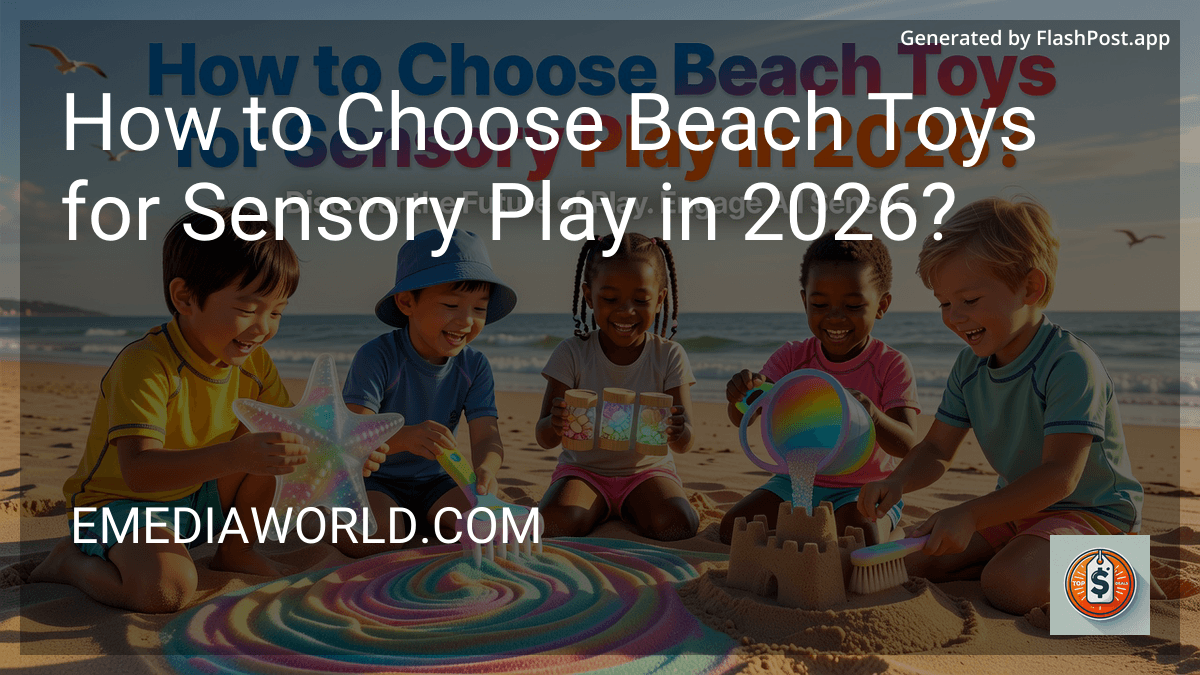
Best Beach Toys in October 2026
Beach Toys for Kids 12 PCS - Collapsible Sand Toys Set for Toddlers
- 🌞 SAFE, TODDLER-FRIENDLY DESIGN ENSURES FUN AND WORRY-FREE PLAYTIME!
- 🌞 PORTABLE BEACH SET WITH COLLAPSIBLE BUCKET FOR EASY TRAVEL!
- 🌞 STIMULATES CREATIVITY AND LEARNING THROUGH IMAGINATIVE SAND PLAY!


DUDUCOFU Collapsible Beach Sand Toys for Kids, Collapsible Sand Bucket
-
ENDLESS BEACH FUN: 11 VERSATILE TOYS SPARK CREATIVITY AND ADVENTURE!
-
TRAVEL-FRIENDLY MESH BAG: EASY CARRY AND QUICK-DRY FOR HASSLE-FREE TRIPS.
-
PERFECT GIFT PACKAGING: IDEAL FOR BIRTHDAYS, HOLIDAYS, AND OUTDOOR FUN!
RACPNEL Beach Toys with Collapsible Bucket, Sand Castle Kit for Kids 3-12
- ALL-IN-ONE SET SAVES PREPARATION TIME FOR FAMILY FUN!
- SPACE-SAVING DESIGN SIMPLIFIES TRAVEL AND CLEAN-UP!
- CREATIVE MOLDS FOSTER IMAGINATION AND FINE MOTOR SKILLS!
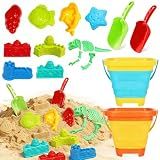
Foldable Beach Bucket and Shovel Set for Kids, 20PCS Sand Toys with Sand Molds (Castle, Dinosaur, Sea Animal) & Mesh Bag, Toddler Collapsible Outdoor Sand Toys for Beach, Sandbox, Pool, Summer Gift
-
ALL-IN-ONE SET: 20PCS FOR ENDLESS OUTDOOR FUN; NO EXTRAS NEEDED!
-
PORTABLE & COMPACT: FOLDABLE DESIGN FITS EASILY IN ANY BAG FOR TRIPS.
-
SAFE FOR KIDS: BPA-FREE, DURABLE MATERIALS; PERFECT FOR WORRY-FREE PLAY!
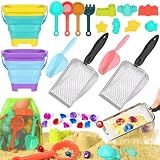
Beach Sand Toys Set,Travel Sand Toys Beach Essentials for Kids Age 3-10
- ENGAGING TREASURE HUNT EXPERIENCE: FUN FOR KIDS TO EXPLORE AND DISCOVER.
- DURABLE & COLLAPSIBLE BUCKETS: SPACE-SAVING DESIGN FOR EASY TRANSPORT.
- HIGH-QUALITY SAFE MATERIALS: BRIGHT, STURDY TOYS ENSURE HOURS OF ENJOYMENT.
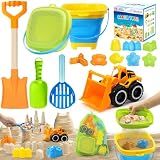
Collapsible Beach Sand Toys for Kids, Sandbox Toys Summer Travel Essentials
-
15 PCS SAND TOY SET FOR ENDLESS CREATIVE PLAY AT THE BEACH!
-
CONVENIENT MESH BAG FOR EASY TRANSPORT AND QUICK CLEANUP!
-
PERFECT GIFT FOR KIDS: BOOSTS CREATIVITY AND PARENT-CHILD BONDING!
How to Choose Beach Toys for Sensory Play in 2026? starts with one surprisingly practical question: will this toy keep a child engaged for more than 10 minutes once sand, saltwater, wind, and heat get involved? After watching toddlers ignore flashy toys in favor of a single scoop and a bucket lid, I’ve learned that beach sensory toys succeed or fail based on texture, grip, water flow, and cleanup-not packaging.
At the beach, sensory play gets messy fast. Fine sand sticks to silicone, warm plastic can warp in a hot car, and oversized toy sets often become dead weight after a 200-yard walk from the parking lot. If you want toys that actually support tactile play, fine motor skills, and open-ended outdoor play, you need a sharper filter than “looks cute online.”
How we select products: Our team reviews products daily, analyzing customer ratings (4.0+ stars minimum), pricing trends, discount history, material quality, and real buyer feedback to surface items that provide the best value. For this guide, we focused on sensory play toys for beach use, prioritizing durability, texture variety, age-appropriate safety, and portability.
Why does sensory play at the beach work so well for toddlers and preschoolers?
Beach play delivers something most indoor sensory bins can’t: three sensory inputs at once. Children feel dry sand, wet sand, and moving water in a single activity, which creates richer tactile exploration than a rice bin or foam mat ever could.
You also get natural resistance training for small hands. Pouring water through a funnel, packing damp sand into molds, or scraping shells with a rake builds hand strength and bilateral coordination, especially for ages 18 months to 5 years.
That matters because many parents searching How to Choose Beach Toys for Sensory Play in 2026? aren’t just buying entertainment. They’re looking for toys that support fine motor development, cause-and-effect play, and screen-free outdoor activity without turning into clutter after one trip.
💡 Did you know: Wet sand typically holds its shape best when the water content is around 5% to 8% by volume, which is why simple buckets and compact molds usually outperform giant decorative castle kits in real beach conditions.
How to Choose Beach Toys for Sensory Play in 2026? Start with these 7 non-negotiable features
If you buy by color or toy count alone, you’ll almost always end up with pieces that crack, trap sand, or get abandoned. Here’s the checklist I use first.
1. Which materials hold up best in saltwater and hot sand?
Look for food-grade silicone, thick BPA-free plastic, and sealed wood alternatives designed for water exposure. Thin plastic is the biggest failure point; review patterns consistently show cracking near handles and shovel necks after 3 to 6 outings.
Silicone wins for tactile play because it bends instead of snapping. It also gives younger children a softer grip, especially when hands are wet or sunscreen-coated.
2. What size works for small hands without causing frustration?
For toddlers, scoops and shovels with handles around 4 to 6 inches are easier to control than full-size beach tools. Large tools look impressive online but often create wrist fatigue, especially for kids under age 3.
Buckets matter too. A bucket that holds roughly 0.5 to 1 gallon is usually plenty for sensory pouring; anything larger gets heavy fast once filled with wet sand.
3. How much texture variety should a sensory beach toy set include?
The best beach toys for sensory development offer at least 3 types of tactile interaction. Think scoop, sift, pour, press, rake, or spin.
A smart set might include:
- A sifter for fine sand exploration
- A pouring cup or funnel for water flow
- A mold for pressure-and-release play
- A rake or textured tool for pattern making
That mix creates more open-ended play than a 12-piece mold pack where every item does the same thing.
4. Are there safety details parents often miss?
Yes-especially vent holes, detachable mini parts, and rough seams. For children under 3 years, avoid sets with tiny decorative accessories or hard-edged shell tools that can chip.
Also check whether a toy traps water internally. Hollow handles that don’t drain well can develop odor and mildew within a week if stored damp.
5. How heavy is the full set once packed?
A “portable” set can easily weigh 4 to 6 pounds after towels, snacks, and water bottles are added to your beach bag. If a toy set doesn’t fit into a mesh tote or collapsible bucket, it usually becomes a hassle by trip two.
If you’re also planning your wider beach packing list, I’ve seen families pair toy storage ideas with lightweight travel reads like Blogspot while planning a full day by the water.
6. What review threshold should you trust?
A good benchmark is 4.3 stars or higher across at least 200 reviews. Below that, complaint patterns get more volatile, especially around broken handles, faded colors, and misleading size expectations.
For sensory beach toys, I pay extra attention to phrases like:
- “easy to clean”
- “actually sturdy”
- “didn’t crack in the sun”
- “my 2-year-old could use it alone”
Those comments tell you more than promotional photos ever will.
7. Does the toy encourage open-ended play or one-trick use?
A spinning water wheel, stacking cups, and a sifter can be used 10 different ways. A novelty-shaped gadget that only makes one pattern usually gets ignored after the first five minutes.
That’s the real filter behind How to Choose Beach Toys for Sensory Play in 2026?: prioritize toys that invite experimentation, not toys that demand adult setup.
Our selection criteria: what separates a real sensory beach toy from a throwaway set?
I don’t rank beach toys by how many pieces come in the box. I rank them by whether kids actually return to them after the novelty wears off.
The strongest sensory toy sets usually score well in five areas:
-
Durability in sun and salt
We favor materials that resist brittleness after repeated UV exposure. -
Sensory range
The set should support pouring, scooping, packing, sifting, or texture tracing-not just mold stamping. -
Age fit
The best toddler beach toys use chunky grips and low-resistance tools. Preschool toys can handle narrower handles and more complex parts. -
Cleanability
Sand should shake out quickly, and pieces should dry fully within a few hours. -
Storage efficiency
Sets that collapse, stack, or fit in a mesh carry bag consistently earn better long-term owner satisfaction.
If you’ve compared toy categories before, the same “hype vs use” gap shows up in other niches too, including guides on how harry potter toys sale works, where collector appeal doesn’t always match real play value.
How to Choose Beach Toys for Sensory Play in 2026? Best options under $25
This budget range is where simple tools shine. You’re not buying a full beach station-you’re building a small, high-use sensory kit.
Under $25: what usually gives the best value?
Look for 3 to 6-piece sets built around function:
- 1 small bucket
- 1 scoop or shovel
- 1 sifter
- 1 pouring cup or funnel
- 1 texture mold or rake
This range works best for toddlers and first-time beach families because the toys stay light and manageable. In owner reviews, compact sets tend to earn fewer complaints about “too many loose pieces” and “hard to carry.”
A collapsible bucket plus stacking cups often outperforms larger kits because kids can use them with water, sand, shells, and seaweed. That’s true sensory play: one object, multiple inputs.
What makes the $25–$50 range the sweet spot for sensory beach toys?
This is where quality usually jumps. You start seeing thicker materials, smarter nesting design, and better grip ergonomics, especially in sets made for repeated summer use rather than one vacation.
$25–$50: which features get noticeably better?
In this range, expect:
- Heavier-duty handles that don’t flex
- Soft-touch or textured grips
- More varied tools, such as water wheels or sand rollers
- Better storage bags, usually mesh for drainage
- Fewer decorative filler pieces
For families with children between 2 and 6, this is often the best value zone. You get enough variety for extended sensory exploration without paying for oversized specialty accessories that rarely leave the bag.
If you’re cross-shopping by age, a useful companion read is learn about must-have toddler beach toys, especially if your child gravitates more toward splash play than sand-building.
Are premium beach sensory toy sets over $50 actually worth it?
Sometimes-but only if you go to the beach often. Premium sets make sense for families who plan weekly trips, have multiple children sharing one kit, or want toys durable enough for several seasons.
Over $50: what should you demand before spending more?
At that price level, don’t settle for “more pieces.” You should see:
- UV-resistant materials
- Reinforced carry systems
- Modular nesting design
- Multi-child usability
- A clear reputation for lasting beyond one summer
If a premium set still uses thin handles or gimmicky accessories, skip it. Price alone doesn’t make a better sensory toy.
What do real reviews reveal about beach sensory toys that disappoint?
The biggest review red flag is breakage after the second or third outing. Toys that score below 4.2 stars often get repeated complaints about snapped shovels, warped buckets, and mesh bags tearing at the seams.
The second issue is poor sensory payoff. Parents describe some sets as “cute but useless” because the molds are too shallow, the sifters clog, or the water wheels barely turn unless an adult pours for the child.
Watch for these patterns:
- Too many tiny pieces for kids under 3
- Hard plastic edges that feel uncomfortable in wet hands
- No drainage holes in storage bags or containers
- Decorative molds only, with no pour-and-sift tools
- Misleading photos that make pieces look larger than they are
If you’re browsing external comparison pages during travel planning, you may bump into unrelated beach shopping resources like www.lavender.cc. Just make sure you return to the basics: size, material, and actual play function.
How to Choose Beach Toys for Sensory Play in 2026? Match the toy type to your child’s play style
Not every child wants to build castles. Some want to pour, some want to bury, and some just want to sort shells for 40 minutes.
For pourers and splashers
Choose:
- Stacking cups
- Funnels
- Water wheels
- Small pitchers
These support cause-and-effect play and keep water moving. They’re especially good for children around 18 months to 3 years.
For diggers and packers
Choose:
- Short-handled shovels
- Medium buckets
- Press molds
- Sand scoops
These tools work best in damp sand, where resistance gives more tactile feedback and stronger hand engagement.
For sorters and collectors
Choose:
- Sifters
- Trays
- Scoop spoons
- Shell collection cups
These are ideal for kids who love fine-detail sensory activities, like separating pebbles from shells or hunting for smooth vs rough textures.
If you’re building a full beach-day setup, you might also browse comfort-focused extras here while planning where the toy station will live once you’re on the sand.
Which beach toy materials are easiest to clean and least likely to trap sand?
This question matters more than most parents expect. A toy that takes 15 minutes to rinse at home quickly stops being a favorite.
Easiest materials to maintain
- Smooth silicone: sand releases easily, especially from cups and molds
- One-piece molded plastic: fewer seams, faster rinsing
- Mesh storage bags: better drying and less mildew risk
Materials that create cleanup headaches
- Textured fabric parts
- Foam components
- Hollow handles with sealed ends
- Multi-layered gimmick toys with internal chambers
I’ve tested toys that looked clever online but trapped enough wet sand inside the handle to leak for days in the trunk. If a piece can’t drain, don’t buy it.
You may even end up opening unrelated beach content such as best white beach cover up or wellness roundup links like view page, but the cleanup rule stays the same: fewer seams, faster drying, less regret.
What’s the single smartest way to buy beach toys for sensory play in 2026?
Buy for play actions, not for piece count.
That means choosing a small set that covers scoop, pour, sift, and press before you ever pay extra for decorative extras. If a toy can’t create at least two different sensory experiences-like pouring water and sifting sand-it probably won’t earn space in your beach bag.
Frequently Asked Questions
What are the best beach toys for sensory play for toddlers?
The best beach toys for toddlers usually include stacking cups, small buckets, sifters, and soft scoops because they support pouring, digging, and texture exploration. Look for chunky handles, non-sharp edges, and sets rated 4.3 stars or higher for real-world durability.
How do I know if a beach toy is safe for a 2-year-old?
Check the age label first, then inspect for small detachable parts, rough seams, and hard narrow handles that are tough to grip. For 2-year-olds, the safest sensory beach toys are lightweight, easy to rinse, and large enough to avoid choking concerns.
Are silicone beach toys better than plastic for sensory play?
Silicone beach toys are often better for sensory play because they’re softer, more flexible, and less likely to crack in heat. That said, thick molded plastic can still be an excellent choice if it has sturdy construction and smooth edges.
What beach toys are worth buying if I only go on one vacation?
If you only need toys for one trip, buy a compact 4- to 6-piece set with a bucket, scoop, cup, and sifter instead of a premium multi-piece bundle. You’ll get the core sensory functions without paying for bulky extras that may never be used again.
How many beach toys should I bring for one child?
For one child, 4 to 6 well-chosen pieces are usually enough for a full morning of sensory play. More than that often creates clutter, increases carry weight, and makes cleanup harder without adding better play value.