Best eBike Conversion Kits in October 2026
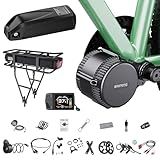
BAFANG BBS02B BBS-HD 500W 750W 1000W Mid Drive Electric Bike Conversion Kit
-
COMPLETE KIT FOR CUSTOM E-BIKE BUILDS: BRAKES, THROTTLE, DISPLAY INCLUDED!
-
UNIVERSAL COMPATIBILITY: FITS MOST BIKES WITH ADJUSTABLE BRACKET SIZES.
-
POWERFUL PERFORMANCE: CONQUER HILLS WITH UP TO 160 N.M TORQUE!


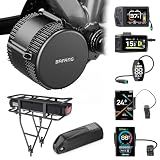
Bafang BBS02B BBS-HD Mid Drive Kit, 48V500W 750W 1000W Ebike Conversion Kit
- POWERFUL BAFANG MOTOR WITH CUSTOM TORQUE OPTIONS (500W-1000W)!
- UNIVERSAL FIT & EASY INSTALLATION ON MOST BIKES-NO HASSLE!
- ULTIMATE PROGRAMMING FLEXIBILITY FOR A PERSONALIZED RIDING EXPERIENCE!
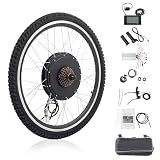
Ktaxon 48V 1000W 26" Electric Bike Conversion Kit, Rear Wheel w/Flywheel
- POWERFUL 1000W MOTOR: EXPERIENCE SMOOTH, SILENT RIDES WITH UNMATCHED PERFORMANCE.
- USER-FRIENDLY LCD DISPLAY: EASILY MONITOR SPEED, BATTERY, AND MORE AT A GLANCE.
- SAFETY FEATURES INCLUDED: BRAKE POWER CUT-OFF FOR ENHANCED RIDING SAFETY.
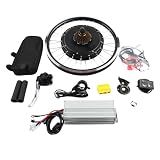
TOWIUOA Ebike Conversion Kit, 48V 1000W Electric Bike Conversion Kit 20" Front/Rear Wheel E-Bike Conversion Kits with Crankshaft Speed Sensor Led Display Brushless Controller
-
SEAMLESS COMPATIBILITY: WORKS WITH ALL MAINSTREAM DISC AND V-BRAKES.
-
POWERFUL PERFORMANCE: 1000W MOTOR DELIVERS SPEEDS UP TO 42 KM/H.
-
USER-FRIENDLY DESIGN: INTEGRATED THROTTLE AND LED DISPLAY FOR EASY CONTROL.
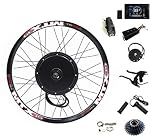
72V 2000W Rear Wheel Motor, 2000W Electric Bicycle Kit with Mutifunction SW900 Display,72V 45A Controller, with 7 Speed flywheel (29inch)
- POWERFUL 72V 2000W MOTOR FOR UNMATCHED PERFORMANCE AND SPEED.
- DURABLE DOUBLE-WALL RIMS FOR STABILITY ON ANY TERRAIN.
- MULTIFUNCTION DISPLAY WITH 7-SPEED GEARS FOR VERSATILE RIDING.
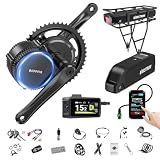
BAFANG Mid Drive Kit 1000W 750W 500W BBS-HD BBS02B Ebike Conversion Kit
-
DIRECT PROGRAMMING FOR CUSTOM SETTINGS VIA TOUCHSCREEN/APP.
-
POWERFUL 500W TO 1000W MOTOR FOR ALL RIDING NEEDS.
-
COMPLETE KIT FOR EASY CONVERSION WITH ALL NECESSARY PARTS.
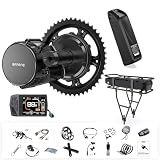
BAFANG BBS02B / BBS-HD Mid Drive Motor Kit,36V/48V/52V 1000W/750W CAN Bus Ebike Conversion Kit with LCD Display, USB Programmable, Fits 68-73/100/120mm Bottom Bracket, Battery Optional
-
EXPERIENCE THRILLING POWER: CHOOSE FROM 500W TO 1000W FOR ULTIMATE ACCELERATION.
-
CUSTOMIZE YOUR RIDE: EFFORTLESSLY PROGRAM SETTINGS VIA USB OR WIRELESSLY.
-
UNIVERSAL FIT: EASY INSTALLATION ON MOST BIKES WITH VARIOUS BOTTOM BRACKETS.
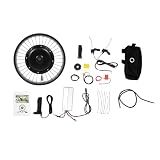
20" E-Bike Front Wheel Conversion Kit, 48V 1000W Electric Bicycle Fat Snow Tire Motor Conversion Kit, Brushless Gearless Hub Motor w/LED Light for 20 "x4 Size Wheels, Electric Motorbikes.
- EXPERIENCE SPEED: ENJOY RIDES UP TO 29.82 MPH WITH 1000W POWER!
- EFFORTLESS MAINTENANCE: NO BRUSHES MEAN LOWER COSTS AND EASY UPKEEP.
- QUIET AND SAFE: RIDE SMOOTHLY WITH LOW NOISE AND AUTOMATIC BRAKE SAFETY!
Ultimate Review: 36v Ebike Kits in 2026 is more relevant than ever because the 36V category has quietly become the sweet spot for riders who want practical power without the weight, cost, or battery drain of higher-voltage systems.
If you’ve been debating whether to convert your current bike or buy a factory-built electric bike, this is where things get interesting. A well-matched 36v ebike conversion kit can turn an ordinary commuter, hybrid, or cargo-ready bicycle into a genuinely useful daily machine.
And not all kits feel the same on the road. Some are smooth and efficient. Others are jerky, noisy, or badly matched to the bike. Here’s what actually matters, what’s improved in 2026, and how to choose a kit you’ll still love six months from now.
Ultimate Review: 36v Ebike Kits in 2026 - Why 36V Still Makes Sense
A few years ago, a lot of riders assumed 48V systems would completely dominate. That didn’t happen.
Instead, 36V electric bike kits kept their place because they solve a very real problem: you want enough assistance for city riding, moderate hills, errands, and weekend rides without overbuilding the bike. For many people, 36V delivers the best balance of range, efficiency, manageable torque, and lighter battery weight.
That matters if you:
- ride mostly in urban or suburban areas
- want a natural pedal-assist feel
- care about battery longevity
- don’t need motorcycle-like acceleration
- want a cleaner, simpler DIY install
From my experience testing conversion setups on commuter frames and older hybrids, a good 36V kit feels less intimidating than higher-powered systems. It’s easier to live with day to day, especially if you still want your bike to feel like a bike.
What’s Changed in Ultimate Review: 36v Ebike Kits in 2026
The biggest shift in 2026 isn’t raw power. It’s refinement.
Modern ebike motor kits in the 36V class now have noticeably better:
- controller tuning
- pedal assist sensor response
- display readability
- battery management system protection
- water resistance
- wiring cleanliness
That means fewer cheap-feeling starts, less lag when pedal assist kicks in, and much better efficiency under stop-and-go riding.
Another improvement is compatibility. More kits now work well with common bike categories like:
- hybrid bikes
- commuter bikes
- folding bikes
- light cargo bikes
- older mountain bike frames used for paved riding
That said, compatibility on paper doesn’t always equal compatibility in real life. Dropout width, brake type, wheel size, and frame geometry still make or break the experience.
What to Look For in the Best 36V Ebike Conversion Kit
If you’re comparing options, don’t get distracted by marketing claims alone. Focus on these core features.
1. Motor type and ride feel
A hub motor kit is usually the simplest route. Front hub kits are easier to install, while rear hub kits often feel more planted and natural under acceleration.
If you value climbing and balanced handling, pay close attention to torque delivery rather than just watt figures. A smooth motor with sensible tuning often feels better than a supposedly stronger one with poor controller mapping.
2. Battery quality and real-world range
The battery is half the kit. Maybe more.
Look for:
- consistent cell balancing
- strong BMS protection
- secure mount design
- realistic stated range
- decent weather sealing
A 36V battery paired with an efficient controller can provide excellent everyday range for commuting and errands. Real-world range depends on rider weight, terrain, tire pressure, assist level, and wind, not just capacity numbers.
3. Controller smoothness
This is one of the most overlooked details in any Ultimate Review: 36v Ebike Kits in 2026 discussion.
A good controller determines whether the bike feels polished or clumsy. Smooth startup, predictable assist, and sensible power ramp-up make a bigger difference than many buyers expect.
4. Pedal assist and throttle behavior
Some kits still rely on basic cadence sensing, while others offer far better tuning that makes pedal assist feel intuitive. If legal in your area, a throttle can be useful for intersections, starts on hills, or getting a loaded bike moving.
Still, the best setups don’t depend on throttle use. They should pedal well first.
5. Brake compatibility
Check whether the kit supports your existing brake setup. Mechanical disc, hydraulic disc, and rim brake bikes can all present different installation issues.
If your bike needs stopping upgrades after conversion, factor that into the total project. More speed and weight demand more controlled braking.
6. Display and diagnostics
A clear display isn’t just a nice extra. It helps you monitor:
- battery level
- assist mode
- speed
- error codes
- trip distance
That’s especially useful if you’re diagnosing power cutouts or trying to maximize battery efficiency over longer rides.
7. Wheel and tire fit
Wheel size mistakes are still common. Before ordering, confirm rim size, tire width clearance, and overall fit.
If your current setup is worn, pairing a new kit with fresh rubber makes a huge difference. This ebike tire buying guide is especially useful if you’re converting a compact or folding bike and want better traction and comfort.
Why a 36V Ebike Kit Matters in Real Life
Specs are one thing. Daily use is another.
A well-chosen 36v ebike conversion kit can change how often you actually ride. Suddenly, the grocery run feels easy. Your commute becomes less sweaty. Headwinds stop ruining the fun.
Here’s what riders usually care about most:
- Lower effort on hills: You still pedal, but the bike stops punishing you.
- More consistent commuting: You arrive fresher and more predictable on time.
- Better bike reuse: You can upgrade a bike you already like instead of replacing it.
- Lower maintenance complexity than some high-power builds: Less strain can mean a calmer ownership experience.
- More approachable handling: Many 36V setups feel stable and natural, especially for newer ebike riders.
This is also why 36V remains strong for practical riders. You’re not chasing bragging rights. You’re building a bike you’ll genuinely use.
Ultimate Review: 36v Ebike Kits in 2026 - Common Mistakes Buyers Still Make
Even experienced cyclists get tripped up here.
Choosing power before choosing purpose
Ask yourself where you actually ride. Flat city streets? Rolling suburbs? Steeper mixed terrain?
A lot of buyers overspec the system, then end up with extra weight and reduced efficiency they never needed. For many commutes, a refined 36V commuter ebike kit is the smarter choice.
Ignoring total system weight
Battery placement changes handling more than people expect. A rear-heavy setup can make the bike feel awkward, especially with racks, bags, or cargo already installed.
Underestimating weather protection
If you ride year-round, cable routing and connector sealing matter. Splash resistance around the battery mount and controller area can save you headaches later.
If wet roads are part of your routine, pairing the build with a waterproof ebike fender set is one of the smartest upgrades you can make.
Forgetting charger quality
A weak or mismatched charger can shorten battery life or create unreliable charging habits. If you’re comparing setup options, this detailed ebike charger comparison helps clarify why proper charging equipment matters so much.
Pro Tips From Hands-On 36V Kit Use
After working with commuter conversions and helping troubleshoot DIY builds, a few patterns show up again and again.
Pro tip: prioritize smoothness over headline specs
A quieter, smoother, more predictable system nearly always wins over a twitchy high-output setup. On daily rides, refinement matters more than spreadsheet numbers.
Match the kit to the bike, not your fantasy use case
That old hybrid frame might become an amazing urban ebike. It might also become unstable if overloaded with the wrong wheel, battery, and rack setup.
Be honest about your route, your body weight, and your cargo needs.
Upgrade contact points if the bike will see daily use
A conversion often exposes weaknesses in the original bike setup. Tires, grips, brake pads, and mirrors suddenly matter more because you’re riding farther and faster.
For example, adding a visibility upgrade like the best helmet mirror for ebikes can make commuting much safer, especially in traffic.
Keep your charging routine boring and consistent
That’s a good thing.
Use proper charging gear, avoid extreme heat, and don’t treat the battery carelessly just because it’s “only” a 36V system. If you’re building a dependable setup, these ebike charging solutions are worth reviewing before you commit.
💡 Did you know:
A mediocre bike with a well-matched 36V kit often rides better than a great bike with a poorly tuned conversion system. The electronics pairing matters that much.
How to Choose Between Front Hub, Rear Hub, and Other 36V Setups
Most buyers in this category land on a hub-based system, and for good reason.
Front hub kits
Best for:
- simple installation
- lighter-duty commuting
- riders who want minimal drivetrain wear
Tradeoff: traction can feel less confident on steep or slippery surfaces.
Rear hub kits
Best for:
- more natural push from the back
- better traction
- improved feel under load
Tradeoff: installation is usually a bit more involved, and flat repairs can be less convenient.
Mid-drive style considerations
Though many 36V shoppers look at hub kits first, some riders want better hill climbing and more efficient use of gearing. If your terrain is steep and technical, a gear-driven system can be compelling, but it also raises setup complexity.
For most practical riders, though, a quality 36V hub setup remains the easiest entry into DIY electrification.
How to Get Started With a 36V Ebike Kit in 2026
If you’re serious about buying, keep the process simple.
Step 1: Audit your current bike
Check:
- frame condition
- brake type
- wheel size
- dropout compatibility
- fork or rear triangle strength
- space for battery mounting
If the base bike is compromised, stop there. A conversion can’t fix a bad foundation.
Step 2: Define your actual use
Write down your average trip length, steepest hill, cargo load, and storage situation. This quickly tells you whether a 36V electric bicycle conversion is the right match.
Step 3: Choose the right battery placement
Downtube mounting usually gives the best handling. Rear rack placement may work, but it can make the bike feel tail-heavy.
Step 4: Plan for the full build, not just the motor
Think beyond the kit itself. You may also need:
- upgraded brake pads
- puncture-resistant tires
- fenders
- better lights
- a safer mirror
- proper charger storage
Step 5: Install carefully and test gradually
Start with short rides in low assist. Listen for rubbing, cable tension issues, axle movement, or odd motor noises before you trust the bike for a full commute.
Is a 36V Ebike Kit Worth Buying in 2026?
For a huge number of riders, yes.
If your goals are commuting, neighborhood trips, moderate hills, fitness-friendly assistance, and lower overall system stress, a 36V ebike kit still makes excellent sense. The category is mature, more refined than it used to be, and ideal for practical riders who want value without unnecessary excess.
The key is choosing a kit that fits your bike and your route, not just the spec sheet. Do that well, and you’ll end up with an ebike that feels useful from day one.
If you’re ready to move forward, inspect your bike, narrow your use case, and compare kit specs with ruthless honesty. Pick the setup that matches how you really ride, then build it right the first time.
Frequently Asked Questions
are 36v ebike kits powerful enough for hills?
Yes, for moderate hills they usually are, especially if you pedal along and keep expectations realistic. Steeper climbs depend on rider weight, motor tuning, gearing, and overall bike setup more than voltage alone.
what is the real range of a 36v ebike kit?
Real-world range varies widely, but many riders get dependable everyday mileage for commuting and errands. Your assist level, terrain, wind, tire pressure, and battery capacity affect range far more than marketing claims suggest.
is a 36v ebike kit better than a 48v kit for commuting?
For many commuters, yes. A 36V setup often gives you enough power with lower weight, smoother efficiency, and a more natural ride feel, while 48V may suit riders who need stronger acceleration or steeper hill performance.
can i put a 36v ebike kit on any bicycle?
No, not every bike is a good candidate. You need to confirm frame condition, wheel size, brake compatibility, dropout fit, and safe battery mounting before installing any conversion kit.
what should i buy first before installing a 36v ebike conversion kit?
Start by checking your bike’s condition and measuring compatibility points like wheel size and dropout spacing. After that, prioritize the right battery, a smooth controller setup, and any safety upgrades your bike needs for faster daily riding.