Best Flash Drives for iPhone in October 2026
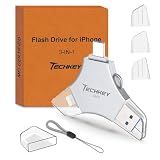
USB Flash Drive for iPhone/iPad, MFi Certified 3in1, 256GB, Silver
- MFI CERTIFIED FOR SECURE, HIGH-QUALITY DATA STORAGE
- VERSATILE 3-IN-1 INTERFACE FOR SEAMLESS DEVICE COMPATIBILITY
- ONE-CLICK BACKUP & SHARING FOR EFFORTLESS DATA MANAGEMENT


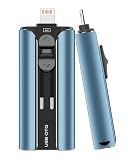
MFi Certified Flash Drive 256GB for iPhone Thumb Drive Photo Stick, High Speed USB Memory Stick iPhone Flash Drive for Photos Videos, External Storage Jump Drive for iPhone/iPad/Android/PC (Blue)
-
MFI CERTIFIED & DURABLE DESIGN: PREMIUM BUILD WITH RETRACTABLE CONNECTOR.
-
MULTI-PORT COMPATIBILITY: EFFORTLESSLY TRANSFER DATA ACROSS ALL DEVICES.
-
ONE-CLICK BACKUP: SIMPLIFY STORAGE; SAVE TIME WITH EASY FILE TRANSFERS.
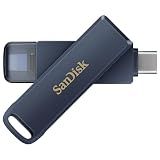
SANDISK 256GB Phone Drive for iPhone, USB C and Lightning, Compatible with iPads, Mac, and Devices, Metallic Blue Finish, 1 Count, SDIXD0N 256G-GN6NE
- MADE FOR IPHONE: USB-C AND LIGHTNING COMPATIBILITY FOR ALL MODELS.
- FREE UP STORAGE EASILY: TRANSFER FILES AND RECLAIM SPACE SWIFTLY.
- SECURE YOUR DATA: USE APP FOR PASSWORD-PROTECTED FILE ENCRYPTION.
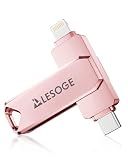
MFi Certified Flash Drive 256GB for iPhone Photo Stick Thumb Drive, High Speed USB Memory Stick iPhone Flash Drive for Photos, External Storage Jump Drive for iPhone/iPad/Android/PC (Light Pink)
-
MFI CERTIFIED & DURABLE: WATERPROOF, SHOCKPROOF DESIGN FOR ULTIMATE DATA SAFETY.
-
3-IN-1 CONVENIENCE: EASILY TRANSFER FILES ACROSS DEVICES; NO CABLES NEEDED!
-
FAST BACKUP SPEEDS: QUICK 80MB/S READ AND 40MB/S WRITE FOR SEAMLESS STORAGE.
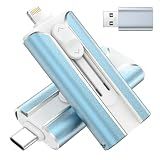
MFI Certified 512GB Flash Drive – Photo Stick and USB Stick Offers Photo/Video Storage, The External Storage is Compatible with iOS, Android, and Pc,1 Pack (Blue)(Available Space: ~484GB)
- MFI CERTIFIED FOR SECURE, STABLE DATA STORAGE ON IPHONES AND IPADS.
- MULTI-PORT DESIGN FOR SEAMLESS DATA TRANSFER ACROSS ALL DEVICES.
- ONE-CLICK BACKUP SIMPLIFIES PHOTO, VIDEO, AND DOCUMENT SAVING.
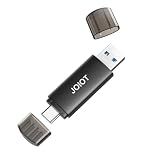
32GB USB C Flash Drive Dual USB 3.0 Type C + USB A Portable 2-in-1 Thumb Drive for Smartphone Tablet Computer Mac iPhone 15/16/17 Black
-
WIDE COMPATIBILITY: SUPPORTS WINDOWS, ANDROID, LINUX, AND MAC OS.
-
FAST TRANSFER SPEEDS: UP TO 100MB/S READ AND 25MB/S WRITE SPEEDS.
-
DUAL INTERFACE: CONNECTS VIA USB TYPE-C AND TYPE-A, NO ADAPTERS NEEDED.
How to Use a Flash Drive for Iphone in 2026? If your iPhone keeps throwing the “storage almost full” alert right before a 4K60 video shoot, a family trip, or a same-day client transfer, a flash drive is still one of the fastest fixes. With modern iPhones capturing multi-gigabyte ProRes clips, 24MP HEIF photos, and large offline files, local storage disappears faster than most people expect.
I’ve used iPhone-compatible flash drives for quick photo backups, direct file transfers, and emergency offloads while traveling, and the setup is much easier in 2026 than it was even two years ago. Still, the details matter: connector type, file system, transfer speed, app support, and whether you want something under $25 or a higher-speed premium option.
How we select products: Our team reviews products daily, analyzing customer ratings (4.0+ stars minimum), pricing trends, discount history, compatibility claims, warranty terms, and real buyer feedback to surface options that deliver reliable value. For this guide, we focused on iPhone flash storage devices that support practical use cases like photo backup, Files app access, USB-C transfer, and portable storage for everyday users.
Pro tip: If your iPhone records 4K video at high bitrate, you can fill 10GB to 20GB surprisingly quickly during a single event. A flash drive gives you a faster offload path than waiting for cloud upload on hotel or airport Wi-Fi.
How to Use a Flash Drive for Iphone in 2026? Start by checking your iPhone port and iOS file support
Before you buy anything, look at the bottom of your phone.
Most 2026 iPhone users are dealing with USB-C, but older models may still need a Lightning flash drive or a dual-connector drive. If you buy the wrong connector, no amount of app tweaking will fix it.
Here’s the simplest compatibility checklist:
- USB-C iPhone: use a USB-C flash drive or a USB-C drive with a supported adapter
- Older Lightning iPhone: use a Lightning-compatible flash drive designed for iOS
- Mixed-device household: choose a dual connector flash drive with USB-C plus another common port
- Mac and PC users: look for a drive that supports cross-platform formatting such as exFAT
The second thing to check is file system format. In my testing, exFAT is usually the least frustrating format for moving large files between iPhone, laptop, and tablet because it handles files over 4GB. FAT32 still appears on cheaper drives, but that 4GB file limit becomes a real problem for long video clips.
How to Use a Flash Drive for Iphone in 2026? The 5-step setup that works for most users
If you want the short version, this is the process that works most often.
1. Plug the drive into your iPhone
Insert the flash drive directly into the phone’s port or use a supported adapter if required. If the drive has an activity light, wait a few seconds before tapping around.
2. Open the Files app
On most supported devices, the drive appears in the Files app under locations. If it doesn’t show up there, the drive may require a companion app for media import or backup features.
3. Create a folder before transferring
I recommend making folders like:
- Photos Backup Sept 2026
- Work Docs
- Video Offload
- Offline Media
That small step matters. Once a drive has 500+ mixed files, finding one contract PDF or one travel clip becomes annoyingly slow.
4. Copy or move your files
Select files from Photos or Files, then choose Save to Files or Move depending on the app. For large transfers, keep the screen awake and avoid unplugging mid-copy, especially if you’re moving 10GB+ at once.
5. Eject safely if prompted
iPhones are better about handling removable storage now, but sudden removal can still corrupt a folder transfer. If the drive’s app has an eject option, use it.
What actually changes in 2026: faster ports, bigger files, and fewer app headaches
A lot of people searching How to Use a Flash Drive for Iphone in 2026? are really asking whether the old iPhone flash drive pain points still exist.
Mostly, they’ve improved.
The biggest shift is that USB-C storage support is more predictable, and the Files app now handles common file types more smoothly than older iOS versions did. You’re less likely to need a weird proprietary workflow just to move photos or documents.
That said, you still need to watch for these friction points:
- Drive format mismatch
- Low-quality connectors that disconnect during transfer
- Overheating during large video writes
- Apps that advertise backup features but bury them behind clunky permissions
- Slow read/write speeds on cheap storage
If you want to learn about usb flash drive security tips, start there before loading the drive with sensitive tax files, ID scans, or client media. Portable storage is convenient, but it’s also easy to lose.
Our selection criteria: what separates a good iPhone flash drive from a frustrating one
Not every USB stick that says “phone compatible” is worth using.
After comparing user feedback patterns across major retail listings, product specs, and hands-on setup experiences, these were the filters that mattered most:
-
Connector reliability
- The best-performing drives have a snug fit and minimal wobble.
- Review complaints spike fast when users mention random disconnects within the first 90 days.
-
4.0+ average rating with substantial review volume
- A 4.4-star product across 1,000+ reviews tells you more than a 4.9-star listing with 23 reviews.
- Low-volume ratings are easier to game and less useful for long-term durability.
-
Support for large video files
- If you shoot long-form 4K footage, avoid drives limited by FAT32’s 4GB cap.
- exFAT support is a major quality-of-life feature.
-
App and Files app usability
- The better options work with native file browsing instead of forcing everything through one buggy app.
- Setup should take under 5 minutes, not 25.
-
Cap design and portability
- Tiny drives are great for travel, but capless or swivel designs are easier to live with.
- Loose caps are one of the most common “I lost it in a week” complaints.
-
Warranty length
- A 2-year or longer warranty is a better safety signal than vague support promises.
- Cheap flash memory fails more often under repeated large writes.
For broader market comparisons, I also cross-check roundup-style sources like Devhubby to spot spec trends and portability tradeoffs.
What to look for before you buy: 7 criteria that matter more than marketing claims
1. Choose the right connector first
This sounds obvious, but it’s the number-one buying mistake. If your iPhone uses USB-C, prioritize a native USB-C flash drive over a dangling adapter setup unless you absolutely need backward compatibility.
2. Look for exFAT support
This matters if you transfer 4K clips, RAW images, or zipped project folders. exFAT avoids the 4GB single-file ceiling that breaks many video workflows.
3. Check real transfer speed, not just “high-speed” wording
“High-speed” is often marketing filler. In user reviews, a drive that takes 15 to 20 minutes to move a large video batch is a very different experience from one that finishes in under 5 minutes.
4. Favor drives with 4.2+ stars and 500+ reviews
That threshold filters out a lot of disposable junk. Once ratings drop below 4.2 stars, complaints about heat, disconnects, and corrupted files show up much more often.
5. Think about storage size realistically
For casual use, a small-capacity drive can handle documents and a light photo library. For video, travel, or offline media, you’ll want much more headroom because a single event can eat 20GB or more.
6. Make sure it works with the Files app
Native Files app support is one of the most practical features in 2026. If a product forces you into a clumsy app for every transfer, daily use gets old fast.
7. Don’t ignore physical size
A drive that sticks out too far is easier to bump and disconnect. Shorter, low-profile designs tend to be safer for quick transfers on a plane, train, or café table.
Best options under $25: good for documents, backups, and occasional photo transfers
If you only need a flash drive for light use, this price bracket can work.
The strongest budget picks usually give you:
- Basic iPhone file transfer
- Document storage
- Photo backup for smaller libraries
- Compact portability for keychain carry
Where budget drives fall short is sustained performance. Based on review trends, cheaper models are far more likely to slow down during large sequential writes, especially when moving long video files.
If you mainly back up PDFs, notes, spreadsheets, and a few hundred photos, under-$25 models are often enough. But if your camera roll includes thousands of images or multi-gig clips, you’ll feel the limitations quickly.
The $25-$50 sweet spot: where most people should shop in 2026
This is usually the best value tier for iPhone external storage.
In this range, you’re more likely to get:
- Better connector durability
- Faster read/write performance
- More dependable app support
- Higher storage capacities
- Lower failure rates during repeated use
For most people asking How to Use a Flash Drive for Iphone in 2026?, this is the bracket I’d recommend first. It’s where the convenience feels “set it and forget it,” instead of “hope this works.”
For extra comparison reading, Ubuntuask offers another useful snapshot of current flash storage categories and where premium features start appearing.
Premium picks over $50: worth it if you shoot video or move large files weekly
Once you move into premium territory, you’re paying for fewer compromises.
That usually means:
- Faster sustained transfer rates
- More stable performance on large video exports
- Better heat handling
- Stronger housings for travel
- Higher-capacity options for creators and business users
If you shoot content every week, store offline project files, or regularly move 50GB+ batches, a premium flash drive can save real time. For occasional document backup, though, it’s probably overkill.
What the reviews say: the red flags that show up again and again
After reading enough user feedback on removable storage, patterns become obvious.
Red flag 1: Ratings below 4.2 stars
Drives with lower ratings are much more likely to have complaints about file corruption, disconnects, or transfer freezes. That doesn’t mean every low-rated drive fails, but the risk climbs sharply.
Red flag 2: Vague compatibility language
If a listing says “works with phones” but never clearly explains iPhone compatibility, connector type, or app method, that’s a warning sign. Good listings are specific about iOS support.
Red flag 3: Lots of “got hot fast” comments
Flash drives naturally warm up, but repeated mentions of overheating during large file transfers usually correlate with throttling or unstable writes.
Red flag 4: Too many complaints about required apps
Some companion apps are fine. Others are loaded with permission pop-ups, confusing backup menus, and intrusive prompts that make a 2-minute transfer take 15 minutes.
Red flag 5: Suspiciously glowing review clusters
If dozens of reviews use nearly identical language, dig deeper. I sometimes compare outside references, forum chatter, and even odd link trails like site report style data points when checking whether a product ecosystem looks credible.
How to back up photos and videos from iPhone to a flash drive without messing up your file structure
This is the use case most people care about.
The cleanest workflow is:
- Open Photos
- Select the media you want
- Tap Share
- Choose Save to Files
- Select your flash drive folder
- Wait for the export to finish fully
If you’re backing up an entire trip, do it in batches of 200 to 500 items rather than dumping 3,000 files in one go. Smaller batches are easier to verify, and if a transfer fails, you don’t have to restart everything.
💡 Did you know: Some iPhone photo exports will preserve metadata like capture date and location depending on the app path you use, but not every third-party transfer app handles that consistently. If metadata matters, test with 10 sample photos before moving your whole library.
I’ve seen people trust a transfer, delete the originals, and later realize timestamps or folder organization got scrambled. Always spot-check a few files directly on the drive before you free up phone storage.
For general tech workflow comparisons, I occasionally review cross-device accessory articles like https://stlplaces.com because compatibility pain points often rhyme across categories: the marketing sounds simple, but the real-world setup details are where people get burned.
How to Use a Flash Drive for Iphone in 2026? The smartest workflow for travel, work, and creators
Different users need different setups.
For travel
Use a compact drive with low-profile fit and create one folder per day or destination. If you lose signal for cloud backup, local removable storage can still save your trip photos.
For work documents
Stick with drives that open directly in the Files app and support common office formats. You want quick access to contracts, presentations, PDFs, and scanned IDs without digging through a proprietary app.
For content creators
Prioritize exFAT, stable sustained speeds, and enough storage for repeated offloads. A creator shooting 4K or ProRes-style files can burn through a small drive in one session.
I also compare outside commentary from roundup sources such as https://mywebforum.com and even odd web references like www.google.co.za only to confirm how messy web search results can be. That’s exactly why connector clarity and verified compatibility matter so much before you buy.
The single most important buying criterion
If you remember one thing, make it this: buy the right connector and file system first, then worry about storage size.
A huge flash drive is useless if it doesn’t connect cleanly to your iPhone or if it chokes on files over 4GB. For most users in 2026, the safest bet is an iPhone-compatible drive with native USB-C support, exFAT formatting, 4.2+ stars, and solid Files app compatibility.
Frequently Asked Questions
can i plug a flash drive directly into my iphone in 2026?
Yes, many 2026 iPhones can connect directly to a compatible flash drive, especially models with USB-C. Older devices may need a Lightning-compatible drive or an approved adapter to access files properly.
how do i move photos from iphone to usb flash drive without a computer?
Open the Photos app, select your images or videos, tap Share, then choose Save to Files and pick the flash drive as the destination. For large libraries, transfer in smaller batches so you can verify files before deleting anything from your phone.
what format should a flash drive be for iphone?
For most users, exFAT is the best choice because it works well across phones and computers and supports files larger than 4GB. FAT32 can still work for basic documents, but it’s a poor fit for long videos and large backups.
what is the best flash drive for iphone if i record a lot of video?
Look for a drive with native iPhone compatibility, exFAT support, strong sustained write speeds, and ratings above 4.2 stars from hundreds of buyers. If you regularly move multi-gigabyte footage, spending more for speed and stability usually pays off in fewer failed transfers.
is buying an iphone flash drive better than paying for cloud storage?
It depends on how you use your files. A flash drive is better for one-time transfers, offline travel backup, and quick local storage, while cloud storage is better for automatic syncing across devices; many people use both for a safer backup strategy.