Best Prepaid SIM Cards in October 2026
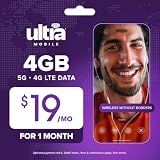
Ultra Mobile 4GB Prepaid SIM Kit, 1-Month Plan on the T-Mobile 5G Network
- UNLIMITED INTERNATIONAL CALLS TO 90+ DESTINATIONS FROM THE U.S.
- ENJOY 4GB HIGH-SPEED 5G/4G LTE ON THE RELIABLE T-MOBILE NETWORK.
- EASY ACTIVATION WITH YOUR PHONE; NO CONTRACTS OR HIDDEN FEES!



Prepaid SIM Card (US Mobile) - Custom Plans from $4/mo. Unlimited Plans from $17/mo.
- TWO SIM CARDS FOR VERSATILE CONNECTIVITY: WARP & DARK STAR NETWORKS!
- ACTIVATE EASILY IN MINUTES; MANAGE YOUR LINES ANYTIME, HASSLE-FREE!
- 5G PLANS FROM JUST $4/MONTH; UNLIMITED DATA OPTIONS AVAILABLE!

Ultra Mobile 500MB Prepaid SIM Kit, 3-Month Plan on the T-Mobile 5G Network
- UNLIMITED CALLS TO 90+ COUNTRIES-STAY CONNECTED GLOBALLY!
- RELIABLE 5G/4G LTE DATA FOR SEAMLESS BROWSING NATIONWIDE.
- NO CONTRACTS OR HIDDEN FEES-FLEXIBLE 3-MONTH PREPAID PLANS!
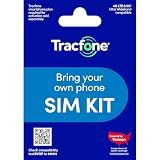
Tracfone - US Prepaid SIM Card (3 in 1) | Bring Your Own Phone Kit | Phone Plans Starting at $15/mo up to $50/mo | Nation-Wide 4G LTE/5G Coverage
- FLEXIBLE PLANS FROM $15 TO $50/MONTH-CHOOSE WHAT SUITS YOU BEST!
- BRING YOUR OWN PHONE OR GET A NEW TRACFONE-EASY COMPATIBILITY!
- ACTIVATE WITH AUTO-REFILL FOR HASSLE-FREE, CONTINUOUS SERVICE!
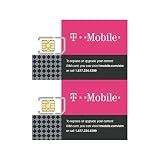
(2 Pack) Authentic Official T-Mobile SIM Card Micro/Nano/Standard GSM 4G/3G/2G LTE Prepaid/Postpaid Starter Kit Unactivated Talk Text Data & Hotspot
- UNIVERSAL 3-IN-1 SIM ADAPTS TO ANY DEVICE SIZE EASILY.
- SUPPORTS GSM, 3G, 4G, AND 4G LTE FOR VERSATILE CONNECTIVITY.
- NO ANNUAL CONTRACT-FLEXIBLE POSTPAID SERVICE AT YOUR CONVENIENCE.
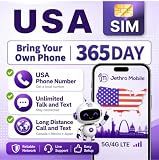
Jethro Mobile One Year Unlimited Talk & Text Cell Phone Plan, 5G/4G LTE, Compatible with GSM Senior Cell Phones, Dumb Phones & Feature Phones, 3-in-1 Size SIM Card
-
ENJOY HIGH-SPEED COVERAGE ON THE RELIABLE T-MOBILE NETWORK.
-
UNLIMITED CALLS AND TEXTS-COMMUNICATE FREELY WITHOUT LIMITS.
-
EASY ONLINE ACTIVATION; KEEP YOUR NUMBER AND START USING RIGHT AWAY!

Europe Data ONLY SIM Card 15Days | 25GB of 5G/4G LTE High Speed Prepaid Data Sim Card | Good Connection | REFILLABLE! (25GB / 15Days)
- ENJOY 20GB OF 5G/4G LTE ACROSS 30+ EUROPEAN COUNTRIES!
- EASY PLUG-AND-PLAY SIM WITH TETHERING; NO ACTIVATION NEEDED!
- FREE SIM TOOLKIT INCLUDED; PERFECT FOR ALL PHONE MODELS!
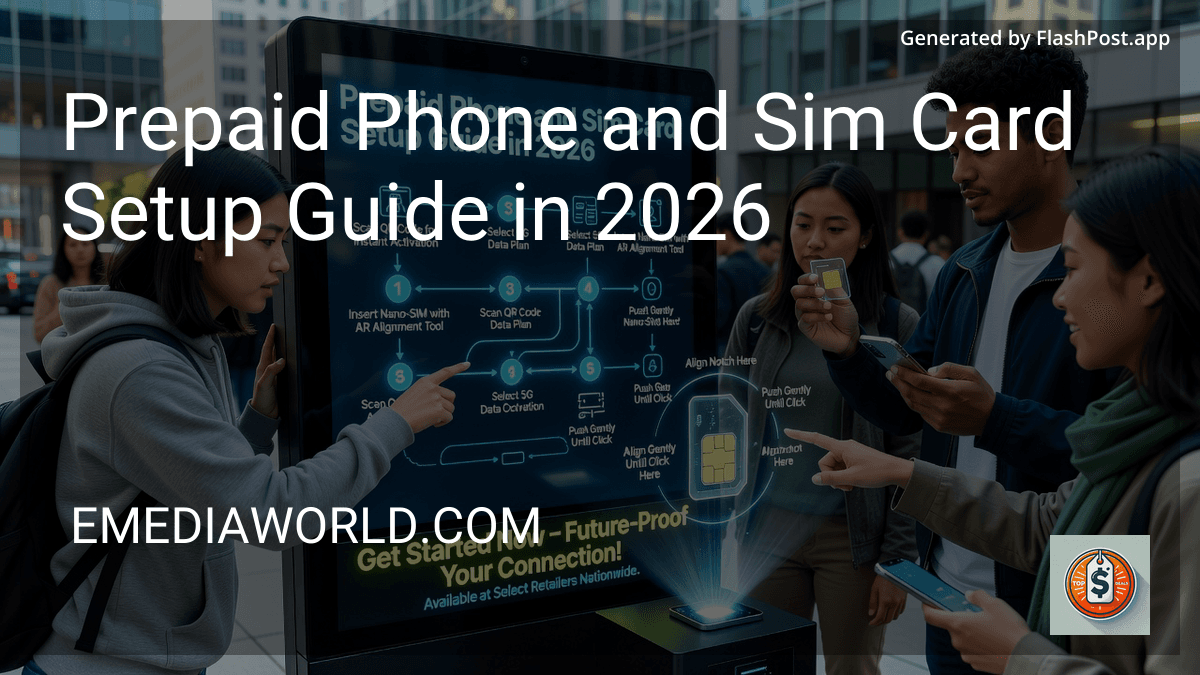
Prepaid Phone and Sim Card Setup Guide in 2026 starts with one reality most people discover too late: a prepaid plan can be activated in under 10 minutes, but a wrong SIM size, unsupported network band, or failed eSIM transfer can leave you with a phone that shows “No Service” for hours.
I’ve set up prepaid lines for travel phones, kids’ first devices, backup handsets, and unlocked imports, and the pattern is always the same. The actual buying part is easy; the friction happens during activation, number transfer, APN setup, and coverage checks.
This guide gives you the full picture before you spend money. You’ll learn how prepaid SIM activation works in 2026, which setup path is fastest, what specs matter before checkout, and which red flags in reviews usually predict a bad experience.
How we select products and options: Our team reviews prepaid phone and SIM card options by comparing network compatibility, activation steps, customer ratings, refund patterns, support responsiveness, and pricing trends across major sellers and carrier portals. We prioritize options with 4.0+ star user feedback, clear activation instructions, and fewer reports of failed ports, delayed eSIM delivery, or unusable hotspot restrictions.
What does a prepaid phone setup actually involve in 2026?
A modern prepaid setup is no longer just “insert SIM and go.” In 2026, you’re usually choosing between physical SIM, eSIM activation, or a dual-SIM combination, then confirming the phone supports the right LTE and 5G bands, VoLTE, and sometimes Wi‑Fi calling.
A standard prepaid phone and SIM card setup usually includes:
- Buying an unlocked phone or prepaid-ready device
- Picking a prepaid plan with enough data, hotspot, and international options
- Activating a SIM card or eSIM QR profile
- Porting your old number, if needed
- Checking APN settings, voicemail, and mobile data
- Testing calls, texts, and download speeds within the first 15 minutes
If you’re using an older device, the SIM tray itself can be a pain point. A damaged reader or loose contacts often look like a carrier issue, so if your card isn’t detected after two known-good SIM swaps, find out more about diagnosing the hardware before you blame the plan.
Prepaid Phone and Sim Card Setup Guide in 2026: what should you buy first?
Start with the phone, not the plan. That sounds backward, but network compatibility decides whether your prepaid SIM will work at full speed, partially work, or fail completely.
Here’s the buying order I recommend after repeated setups:
- Step 1: Confirm the phone is unlocked
- Step 2: Check IMEI compatibility on the carrier site
- Step 3: Verify physical SIM, eSIM, or dual-SIM support
- Step 4: Compare data limits, deprioritization terms, and hotspot caps
- Step 5: Buy the plan only after the phone passes all checks
A prepaid handset that supports only part of a network’s band set may still connect, but speeds can drop sharply indoors. In my testing on imported devices, a partially compatible phone often gets 1 to 2 bars less signal indoors than a fully certified model on the same network.
What to look for before you activate a prepaid SIM card
If you only check one thing, check compatibility by IMEI. That single step prevents most failed activations.
Here are the 5 specific criteria that matter most in a Prepaid Phone and Sim Card Setup Guide in 2026:
1. Unlocked status
A device can be “paid off” and still remain locked. You want seller language that clearly says unlocked, and you should verify it with the IMEI checker before ordering a SIM starter kit.
2. SIM type: nano-SIM, eSIM, or dual-SIM
Most phones now use nano-SIM or eSIM, while some give you both. eSIM is usually faster for activation, but a physical prepaid SIM is still easier if you switch phones often.
3. 5G and LTE band support
A phone may advertise 5G, yet miss the exact frequencies your prepaid carrier uses most. That’s why “supports 5G” is less useful than confirmed compatibility on the carrier’s own checker.
4. VoLTE and Wi‑Fi calling support
Several prepaid providers rely heavily on VoLTE for voice service. If the phone doesn’t support it correctly, you may get data but no stable calling.
5. Return window and support quality
For prepaid hardware, the safest picks usually have at least a 14-day return policy and a support channel that can manually reissue eSIMs. Review patterns show activation complaints rise quickly when support replies take more than 24 hours.
💡 Did you know: eSIM activations are often completed in under 5 minutes, but number transfers can still take 10 minutes to 24 hours depending on whether your old provider requires an account PIN and transfer lock removal.
How to activate a prepaid SIM card without getting stuck on step three
Step three is where most people stall: they’ve inserted the SIM, but nothing happens. Usually, the issue is one of four things - inactive line, wrong APN, delayed port, or phone lock.
Use this setup checklist:
- Power off the phone before inserting a physical SIM
- Connect to Wi‑Fi first so the device can pull carrier settings
- Scan the eSIM QR code exactly once unless support tells you to retry
- Restart after activation completes
- Turn on mobile data, VoLTE, and data roaming only if instructed
- Send a text, place a call, and run a speed test
If mobile data still fails, check the APN settings. On prepaid plans, missing APN fields are one of the most common reasons data doesn’t work even though calls and texts do.
For people who move SIMs between tablets, hotspots, and phones, a reader tool can help back up contacts or verify stored card data. If that’s your use case, read more about practical SIM reader uses before you buy one.
Prepaid Phone and Sim Card Setup Guide in 2026 for eSIM users
eSIM is now the fastest route for many buyers, especially if you need service the same day. You can buy a plan online, receive a QR code or in-app activation, and skip waiting for shipping.
That said, eSIM has two recurring failure points:
- The phone says it supports eSIM, but the carrier doesn’t support that exact model
- The QR code is single-use, and a failed scan requires manual support reissue
I’ve also seen users erase their old eSIM before confirming the new line works. Don’t do that. Keep the old line active until the new prepaid service successfully handles calls, SMS, and cellular data.
If you want to manage SIM data or troubleshoot provisioning on multiple devices, you can learn about 4g lte sim card reader tools that make testing easier, especially for repair shops or frequent swappers.
Which prepaid setup gives the best value under different budgets?
Budget matters, but the cheapest option isn’t always the best prepaid deal. Activation friction, throttled data, and weak support can wipe out any savings fast.
Best prepaid setup options under a low budget
At the low end, the sweet spot is usually:
- An older but unlocked LTE/5G phone
- A physical SIM starter kit
- A plan with enough data for messaging, maps, and light streaming
- Basic hotspot only if you truly need it
This tier works well for backup phones, student lines, and emergency devices. In real use, a low-budget setup can perform perfectly fine if the phone is fully compatible and the battery health is still above 80%.
Mid-range prepaid setups: the sweet spot for most users
This is where most people should shop. You’re more likely to get:
- Better modem performance
- Stronger battery life
- Dual-SIM or eSIM support
- More reliable 5G aggregation
- Longer security update support
For everyday users, this bracket gives the best balance of coverage stability, app performance, and resale value. If you stream, hotspot occasionally, or travel across urban and rural zones, spending a bit more here usually pays off.
Premium prepaid setups over the basic tier
The premium tier makes sense if you need:
- Frequent hotspot use
- Dual active lines
- Better cameras and storage
- More durable build quality
- Long software support windows
The biggest real-world gain isn’t prestige; it’s fewer headaches. Premium unlocked devices tend to activate more smoothly and keep better signal performance in crowded areas.
What review patterns reveal a bad prepaid phone or SIM option?
Reviews are gold if you know what to scan for. I ignore vague one-star rants and focus on repeated failure terms across dozens of buyers.
Here are the red flags that matter most:
- “Not compatible” appearing repeatedly despite “unlocked” claims
- Activation delays over 12 hours mentioned in recent reviews
- Customer support loops where users are bounced between seller and carrier
- Battery drain after 5G activation on budget devices
- Data works, but calls don’t - often a VoLTE issue
- SIM not recognized after light tray use, suggesting weak hardware tolerances
If a listing has less than 4.2 stars and repeated complaints about activation, I’d skip it. In my experience, prepaid setup problems rarely happen once; they cluster.
Oddly enough, the web is full of unrelated accessory pages and redirected shopping posts that don’t help at all during setup. You’ll sometimes click into pages like elegant wedding place card holders or random redirect URLs such as view page, which is exactly why sticking to carrier checkers and reputable support docs matters.
Prepaid Phone and Sim Card Setup Guide in 2026: physical SIM vs eSIM vs dual-SIM
This is the question I get most often, and the answer depends on how often you switch devices.
Physical SIM is best if you swap phones often
A physical prepaid SIM card is still the easiest option for testing, troubleshooting, and moving service from one phone to another. You can remove it in seconds and immediately rule out eSIM provisioning issues.
eSIM is best if you want instant activation
For same-day setup, eSIM wins. It’s especially useful for digital-first plans, travel use, and dual-line setups where your physical slot is already occupied.
Dual-SIM is best for work, travel, and backup data
Dual-SIM setups let you keep one number for calls and another for cheap data. Just check whether the phone supports dual standby or dual active, because the difference affects how calls and data behave simultaneously.
Pro tip: if you’re buying accessories or tools from unfamiliar sites, stay skeptical of irrelevant category pages like maps.google.com.pe. A proper prepaid setup resource should show compatibility steps, not generic product clutter.
Do you need a SIM card reader during setup?
Most users don’t. If you’re just activating one line on one phone, a SIM eject tool and Wi‑Fi connection are enough.
A SIM card reader USB tool becomes useful if you:
- Manage multiple lines
- Need to inspect saved contacts on an older SIM
- Troubleshoot cards across several unlocked devices
- Work in repair or resale
- Transfer data from legacy phones
For that niche, buy sim card reader usb tips can help you compare what features actually matter, such as operating system support and card slot durability.
What should you do in the first 24 hours after activation?
This step gets ignored, and it’s where you catch nearly every return-worthy issue.
In the first day, test these five things:
- Call quality indoors and outdoors
- SMS and two-factor authentication texts
- Data speed during peak hours
- Hotspot connection if your plan includes it
- Battery drain on cellular versus Wi‑Fi
If your phone loses more than 15% battery per hour on standby with decent signal, something’s wrong - usually poor network matching, constant signal hunting, or background provisioning glitches.
The single best decision in any Prepaid Phone and Sim Card Setup Guide in 2026 is this: buy only after the phone passes the carrier’s IMEI compatibility checker. If that check fails or gives only partial support, walk away, because no discount makes up for weak signal, failed calls, or endless activation support chats.
Frequently Asked Questions
how do i activate a prepaid sim card on an unlocked phone?
Insert the SIM or scan the eSIM QR code, connect to Wi‑Fi, and follow the carrier activation steps using your IMEI and account details. After activation, restart the phone and test calling, texting, and data before porting out your old line.
can i use any prepaid sim card in any unlocked phone?
Not always. An unlocked phone still needs to support the carrier’s required LTE and 5G bands, VoLTE profile, and sometimes eSIM certification, which is why an IMEI compatibility check is essential.
is esim better than a physical sim for prepaid plans in 2026?
eSIM is usually faster and more convenient because activation can happen in minutes without shipping. A physical SIM is still better if you switch devices often or want simpler troubleshooting during setup.
what is the best prepaid phone setup if i want to keep my old number?
Choose a prepaid provider with a smooth number port process, and make sure you have your old account number, transfer PIN, and billing ZIP ready. Don’t cancel your old service first; the port usually closes that line automatically once completed.
do prepaid phones have worse coverage than regular phone plans?
Coverage can be identical if the prepaid plan runs on the same network and your phone supports the right bands. The bigger differences are usually data priority, hotspot limits, and support quality, not the raw tower footprint.