Best Smart Bulbs in October 2026
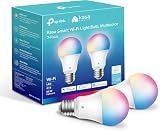
Kasa Smart Light Bulbs, Full Color Changing Dimmable Smart WiFi Bulbs Compatible with Alexa and Google Home, A19, 60 W 800 Lumens,2.4Ghz only, No Hub Required, 2-Pack (KL125P2), Multicolor
- 16M COLORS & AUTO WHITE ADJUSTMENT FOR ANY OCCASION!
- VOICE CONTROL SIMPLIFIES YOUR LIGHTING EXPERIENCE!
- REMOTE CONTROL & SCHEDULING FOR ULTIMATE CONVENIENCE!


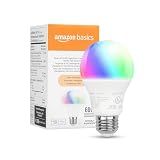
Amazon Basics Smart A19 LED Light Bulb, Color Changing, 9W (60W Equivalent), 800LM, Works with Alexa Only, WiFi 2.4 GHz, No Hub Required, Mood Lighting, Energy Efficient, 1-Pack
-
VOICE CONTROL: MANAGE LIGHTS HANDS-FREE WITH ALEXA.
-
CUSTOM ROUTINES: AUTOMATE LIGHTING FOR ENERGY SAVINGS.
-
COLOR VARIETY: SET THE MOOD WITH 16 VIBRANT COLOR OPTIONS.
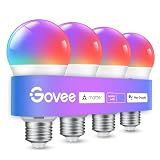
Govee Smart Light Bulbs, A19 Color Changing Light Bulb, 800 LM, E26 Base
-
16 MILLION COLORS & 54 MODES: CUSTOMIZE YOUR LIGHTING EXPERIENCE!
-
MUSIC SYNC: COLOR CHANGES WITH SOUND FOR A VIBRANT ATMOSPHERE!
-
SMART CONTROL & GROUPING: EFFORTLESSLY MANAGE ALL YOUR BULBS!
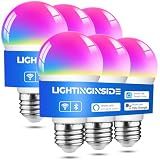
Lightinginside Smart Light Bulbs Work with Alexa/Google Home/SmartLife 6PCS
- HANDS-FREE CONTROL: WORKS WITH ALEXA/GOOGLE ASSISTANT FOR EASY VOICE COMMANDS.
- QUICK & RELIABLE SETUP: 3× FASTER INSTALLATION WITH DUAL-CHANNEL TECHNOLOGY.
- CUSTOMIZABLE AUTOMATION: SCHEDULE, GROUP, OR CONTROL VIA SMARTLIFE APP REMOTELY.
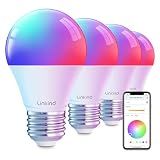
Linkind Smart Light Bulbs, Work with Alexa, Google Home, AiDot
-
VOICE CONTROL WITH ALEXA & GOOGLE: EFFORTLESS HANDS-FREE LIGHTING
-
DUAL WIFI & BLUETOOTH CONNECTION: FAST, RELIABLE REMOTE CONTROL
-
DYNAMIC MUSIC SYNC: TRANSFORM YOUR SPACE WITH IMMERSIVE LIGHT
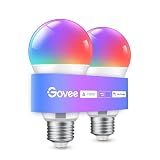
Govee Smart Light Bulbs, A19 LED Light Bulb, 800 Lumen, E26 Base
- VOICE CONTROL COMPATIBILITY: EFFORTLESSLY ADJUST WITH ALEXA & GOOGLE!
- 16M COLORS & 54 SCENES: TRANSFORM YOUR SPACE WITH LIMITLESS LIGHTING OPTIONS.
- SYNC WITH MUSIC: LIGHTS DANCE TO YOUR TUNES FOR A VIBRANT EXPERIENCE!
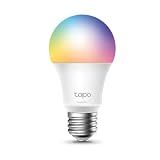
Tapo Multicolor Dimmable Smart Light Bulbs, L531E, A19 E26, 800LM
-
ENDLESS COLOR OPTIONS: CHOOSE FROM 16M COLORS AND WARM TO COOL WHITES.
-
SMART CONTROL: CONTROL WITH VOICE COMMANDS OR TAPO APP FROM ANYWHERE.
-
ENERGY EFFICIENT: SAVES 60% STANDBY POWER, REDUCING ENERGY COSTS AND WASTE.
How to Use a Smart Bulb in Lamp in 2026? It sounds simple until you hit the first real-world snag: the bulb pairs fine, but your lamp’s rotary dimmer starts flickering at 30%, the bulb drops offline overnight, or the shade traps enough heat to shorten lifespan. Those are the exact issues people run into now that smart lighting has moved beyond basic on/off control.
If you want your lamp to work reliably with a smart bulb in 2026, you need more than “screw it in and open the app.” You need the right bulb shape, the right socket, stable power, and a lamp that won’t sabotage connectivity or thermal performance. Below, I’ll walk you through setup, buying criteria, budget ranges, and the review patterns that separate smooth installs from frustrating returns.
How we select products: Our team reviews product categories daily, analyzing customer ratings (4.0+ stars minimum), pricing trends, discount history, return-rate signals, setup complaints, and real buyer feedback across major retailers. For smart lighting, we prioritize compatibility, app stability, wireless reliability, brightness consistency, and lifespan claims that hold up in actual home use.
How to Use a Smart Bulb in Lamp in 2026? Start with the lamp, not the bulb
The first thing I check is the lamp itself. In home tests, the biggest failure point usually isn’t the smart bulb-it’s the lamp’s switch type, socket depth, shade clearance, or built-in dimmer.
A standard table or floor lamp with a simple on/off switch works best. Lamps with touch controls, multi-level brightness hardware, or old-school rotary dimmers often cause smart bulb flicker, delayed response, or full pairing failure.
Here’s the fast compatibility checklist:
- Socket type: Most lamps use a standard screw base, but verify the exact fit before you buy.
- Bulb shape: A wider bulb can fit the socket but still hit the shade harp or diffuser.
- Watt-equivalent limit: If your lamp says “60W max”, that usually refers to old incandescent draw, but heat and enclosure still matter.
- Switch behavior: Smart bulbs need constant power, so the lamp’s switch should stay on after setup.
- Enclosed shade space: Tight shades trap heat, which can reduce LED lifespan and color stability.
If you’re comparing bulb formats and want a broader sense of shape and fit issues, learn more.
What do you actually need to make a smart bulb work in a lamp?
For most setups, you only need four things: a compatible bulb, a stable lamp, a reliable wireless signal, and the bulb maker’s app. That’s it.
In 2026, most smart bulbs connect through Wi-Fi, Bluetooth, Thread, or a hub-based mesh system. The easiest option for a single bedside lamp is usually direct setup over Wi-Fi or Bluetooth, while larger homes often get faster response from mesh-based systems.
Here’s the practical setup order I use:
- Turn the lamp off and unplug it.
- Install the smart bulb and make sure it seats fully in the socket.
- Plug the lamp back in and turn the physical switch on.
- Leave that switch on permanently unless you’re resetting the bulb.
- Open the app and follow pairing instructions.
- Assign the lamp to a room so voice control and routines work correctly.
- Test brightness, color temperature, and automation before putting the lamp back in a tight corner.
If the bulb doesn’t appear during setup, move the lamp within 15 to 20 feet of your router or border router for initial pairing. After setup, you can usually move it back.
How to Use a Smart Bulb in Lamp in 2026? The 5 product specs that matter most
Not all smart bulbs behave the same in lamps. If you’re shopping now, these are the specs that matter most in real homes.
1. Brightness: aim for at least 800 lumens for everyday lamp use
For a reading lamp, I generally recommend 800 to 1,100 lumens. Anything lower can feel dim under a fabric shade, especially if the bulb is frosted and warm-toned.
Accent lamps can get away with 450 to 600 lumens, but bedside lamps usually need more output than buyers expect.
2. Color temperature range affects comfort more than most people realize
If you only want soft ambient light, a warm white around 2700K is usually enough. But for one lamp doing multiple jobs-reading, relaxing, early-morning wake-up-a bulb with adjustable white from roughly 2200K to 6500K is much more useful.
That range lets you use warmer light at night and cooler, crisper light during work hours.
3. Dimming compatibility is where many setups fail
A smart bulb should be dimmed in the app or by voice, not by a lamp’s built-in dimmer. If your lamp has a hardware dimmer, the bulb may buzz, flash, or lose connection.
This is one of the top causes of negative reviews in the category, especially on older floor lamps.
4. Connectivity type changes your day-to-day experience
- Wi-Fi bulbs: Easy for one or two lamps, but can crowd your network if you add many.
- Bluetooth bulbs: Fine for close-range control, less convenient remotely.
- Thread or mesh bulbs: Usually faster and more stable once configured, especially in bigger homes.
- Hub-based systems: More setup upfront, but often better for automation and fewer dropouts.
If your lamp sits in a back bedroom with weak signal, connectivity matters more than fancy color scenes.
5. Heat management matters in tight lamp shades
LED smart bulbs run cooler than incandescent bulbs, but they still generate heat at the driver and radio components. In enclosed or semi-enclosed lamps, that heat can shorten actual lifespan well below advertised numbers.
If you’ve ever wondered how lifespan claims vary across lighting products, see for yourself.
How to Use a Smart Bulb in Lamp in 2026? Step-by-step setup that avoids the usual problems
The cleanest installs follow a few boring but critical rules. Ignore them, and you’ll spend 20 minutes resetting a bulb that was never getting stable power.
Step 1: Use a plain on/off lamp if possible
A basic lamp gives the bulb continuous voltage. That’s what smart bulbs want.
Touch lamps and 3-way lamp sockets can work inconsistently unless the bulb specifically supports that electrical behavior.
Step 2: Reset the bulb before pairing if it was ever previously used
Many smart bulbs need a reset cycle like turning power on and off 5 times in a certain rhythm. If you bought an open-box unit or moved it from another room, reset first.
That simple step solves a surprising number of “app can’t find bulb” complaints.
Step 3: Pair close to your router, then move the lamp
This is especially useful in homes with plaster walls, metal shelving, or crowded 2.4 GHz traffic. Initial pairing succeeds much faster when the lamp starts nearby.
After the firmware update finishes, relocate the lamp and test again.
Step 4: Name the bulb based on the lamp, not the room alone
“Living Room” becomes confusing fast when you own six bulbs. “Living Room Corner Lamp” or “Bedside Left Lamp” works better for automation, voice assistant control, and troubleshooting.
Step 5: Build one useful routine first
Start with a simple automation such as:
- turn on at 30% brightness at sunset
- shift to warm white after 9 PM
- turn off automatically at midnight
One good routine is better than ten gimmicky scenes you never use.
If you’re troubleshooting adjacent lighting tasks, this motion sensor light bulb replacement resource covers another common setup scenario.
Our selection criteria: what separates a good smart bulb from one that ends up returned
I don’t trust spec sheets alone. Smart lighting looks great on retail pages because every box promises millions of colors, long life, and easy setup.
The better filters are these:
- Rating threshold: I look for 4.2 stars or higher
- Review volume: Ideally 500+ reviews so one bad batch doesn’t skew the score
- Reported setup success: Fewer complaints about pairing loops, app crashes, or account lockouts
- Stable brightness: Reviews should not repeatedly mention random dimming or delayed response
- Firmware support: Bulbs with regular updates tend to age better in connected homes
- Return signals: Frequent mentions of “stopped responding in under 6 months” are a major warning
Some buyers also compare smart lighting lifespan to projector-style lighting tech on sites like Blogspot, though usage patterns are obviously very different.
Best options under $25: where a single lamp upgrade usually starts
This price bracket is ideal if you’re testing smart lighting for the first time. Most bulbs here handle basic app control, scheduling, dimming, and voice assistant support.
What you typically get:
- Standard white or tunable white light
- Around 800 lumens
- Basic automation
- Limited advanced scenes
- Shorter warranties or fewer ecosystem extras
This is the sweet entry point for a bedside lamp, reading lamp, or entryway table lamp. If your goal is simple scheduled lighting, spending more often doesn’t deliver a massive real-world difference.
The $25-$50 sweet spot: best for tunable white, better apps, and fewer dropouts
This is where smart bulbs get meaningfully better for everyday lamp use. You’ll usually see smoother dimming curves, better wireless stability, faster app response, and stronger integration with smart home routines.
In my experience, this range works best for:
- reading lamps used 2 to 5 hours daily
- living room lamps with evening automations
- renters who want smart home convenience without changing wall switches
If you care about circadian-style lighting-cooler in the morning, warmer at night-this bracket is often worth it.
Premium picks over $50: who should actually spend more?
Premium smart bulb setups make sense when you care about ecosystem depth, advanced color rendering, lower latency, or whole-home automation. They’re rarely necessary for a single occasional-use lamp.
The people who benefit most are those running:
- multi-room scenes
- occupancy-based routines
- hub-based automations
- synchronized lamp groups
- more than 10 connected lights
For one lamp on a side table, premium features can be overkill.
What to look for before you buy: 7 concrete criteria that save money and frustration
Here’s the short list I’d use if I were buying a smart bulb for a lamp today.
-
A minimum rating of 4.2 stars
Below that, complaint patterns rise fast-especially around connectivity and failed setup. -
At least 800 lumens for primary lamp use
Underpowered bulbs are the number-one reason people say a smart lamp “looked better in photos than in real life.” -
Tunable white if the lamp does more than one job
A single bedside lamp may need bright cool light at 7 AM and soft warm light at 10 PM. -
No dependency on a physical dimmer switch
Your lamp should deliver constant power. Smart dimming happens digitally. -
A bulb shape that clears the harp, shade, or diffuser
Globe-shaped bulbs often run into fit issues in narrower lamps. -
A clear warranty of at least 1 year
Smart bulbs contain radios and drivers, so warranty length matters more than with old-school LEDs. -
Strong review language around app stability
If dozens of reviews mention login issues or firmware glitches, skip it.
For niche bulb comparison rabbit holes across unrelated categories, people oddly end up on pages like images.google.bj and go to page, but for lamps, fit and connectivity still matter most.
What the reviews say about smart bulbs in lamps: the red flags show up early
After reading through large batches of buyer feedback across lighting categories, the same problems keep repeating.
Red flag 1: Frequent mentions of flicker in lamps with built-in dimmers
If multiple reviews mention flickering below 50% brightness, assume the bulb and lamp electronics don’t play nicely together.
Red flag 2: “Offline every morning” complaints
That usually points to weak Wi-Fi, unstable firmware, or a lamp plugged into a switched outlet that cuts power overnight.
Red flag 3: Heat complaints in narrow shades
If buyers say the bulb becomes hot or dies early in a tight fabric shade, believe them. Enclosed fixtures are harder on smart bulbs than open lamps.
Red flag 4: Setup success only after multiple resets
One or two comments like that are normal. Dozens of them suggest a finicky onboarding experience.
Pro tip: A smart bulb in a lamp should almost always be paired on the 2.4 GHz band if it uses Wi-Fi. That band is slower than 5 GHz, but it penetrates walls better and remains the default connection type for many lighting devices in 2026.
Meanwhile, if you’re comparing bulb selection logic in other categories, you can even learn about how to choose tanning bed bulbs-a very different use case, but still a reminder that fit, heat, and output specs matter.
Should you use a smart bulb or a smart plug for a lamp?
This is one of the best buying questions because it changes what you actually need.
Use a smart bulb if you want:
- dimming
- color temperature changes
- color scenes
- wake-up routines
- app-based brightness control
Use a smart plug if you only want:
- basic on/off scheduling
- voice control for a non-smart bulb
- a cheaper setup
- easier compatibility with decorative lamps
If your lamp already uses a bulb you like and you don’t care about dimming, a smart plug is often simpler. If you want flexible ambience or adaptive white light, the smart bulb wins.
The single most important decision before you buy
If you remember one thing about How to Use a Smart Bulb in Lamp in 2026?, make it this: choose a lamp with a plain on/off switch and enough shade clearance for the bulb to stay cool. That one factor prevents more setup failures, flicker complaints, and early bulb deaths than any app feature or color mode ever will.
Frequently Asked Questions
can you put a smart bulb in any lamp?
Not always. A smart bulb works best in a lamp with a standard socket, constant power, and no built-in dimmer or touch control. Fit also matters, because oversized bulbs can hit the shade or trap heat in narrow enclosures.
why is my smart bulb flickering in my lamp?
The most common cause is a lamp with a rotary dimmer, 3-way socket, or unstable power delivery. Flicker can also happen if the bulb is incompatible with the fixture or overheating inside a tight shade.
do smart bulbs use electricity when the lamp is turned off?
If the lamp’s physical switch is off, the bulb gets no power and can’t stay connected. If the lamp switch stays on and you turn the bulb off in the app, it still uses a tiny standby amount of electricity to maintain wireless communication.
is a smart bulb better than a smart plug for a bedside lamp?
A smart bulb is better if you want dimming, warm light at night, cooler light in the morning, or voice-controlled brightness. A smart plug is better if you only want scheduled on/off control and already like the bulb in the lamp.
what brightness smart bulb should I buy for a reading lamp?
For most reading lamps, 800 to 1,100 lumens is the practical range. Under 800 lumens often feels too dim once the light passes through a lamp shade, especially with warm white settings.