
Best Cycling Gloves in October 2026
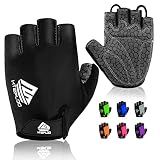
HTZPLOO Bike Gloves - Cycling & Biking Gloves for Men & Women with Anti-Slip, Shock-Absorbing Pad, Light Weight, Nice Fit, Half Finger (Black, Large)
- SHOCK-ABSORBING PADDING REDUCES FATIGUE, ENHANCING YOUR RIDE COMFORT.
- ANTI-SLIP GEL GRIP BOOSTS CONTROL FOR A SAFER CYCLING EXPERIENCE.
- SOFT LYCRA OFFERS FLEXIBILITY, ENSURING MAXIMUM COMFORT ON EVERY RIDE.


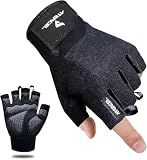
ATERCEL Workout Gloves for Men and Women, Exercise Gloves for Weight Lifting, Cycling, Gym, Training, Breathable and Snug fit (Black, L)
- ERGONOMIC GRIP ENHANCES PERFORMANCE & REDUCES DISCOMFORT
- LIGHTWEIGHT, BREATHABLE MATERIAL FOR UNMATCHED COMFORT
- 5 SIZES AVAILABLE FOR A PERFECT, PERSONALIZED FIT
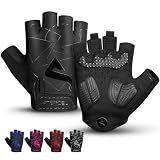
ATERCEL Cycling Gloves, Bike Gloves for Men Women, Bicycle Gloves for Cycling, Workout, Gym, Training, Weight Lifting Outdoor, Dirt Bike, Mountain Bike, and Riding (Black, Large)
- MAXIMUM PROTECTION: 6MM CUSHIONING ABSORBS SHOCKS, REDUCING INJURY RISK.
- SUPERIOR GRIP: SILICONE ANTI-SLIP FEATURE ENHANCES CONTROL IN ALL CONDITIONS.
- ULTIMATE COMFORT: BREATHABLE FABRIC AND ELASTICITY ENSURE A SNUG FIT FOR ALL ACTIVITIES.
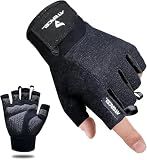
ATERCEL Workout Gloves for Men and Women, Exercise Gloves for Weight Lifting, Cycling, Gym, Training, Breathable and Snug fit (Black, M)
- MAXIMIZE GRIP AND PROTECT HANDS WITH OUR INNOVATIVE PALM DESIGN.
- LIGHTWEIGHT, BREATHABLE MATERIAL ENSURES UNRIVALED COMFORT DURING WORKOUTS.
- CUSTOM FIT WITH 5 SIZES FOR BOTH MEN AND WOMEN-ENHANCE YOUR PERFORMANCE!
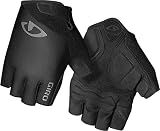
Giro Jag Road Cycling Gloves - Men's Black (2022) Large
- LIGHTWEIGHT PADDING ABSORBS ROAD BUMPS FOR A SMOOTHER RIDE.
- EASY ADJUSTMENTS WITH LOW-PROFILE HOOK-AND-LOOP CLOSURE SYSTEM.
- BREATHABLE SUEDE PALM ENSURES COMFORT DURING LONG RIDES.
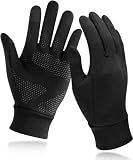
Unigear Lightweight Running Gloves, Touch Screen Anti-Slip Warm Gloves Liners for Cycling Biking Sporting Driving for Men Women
-
STAY WARM & DRY: MOISTURE-WICKING FABRIC KEEPS HANDS WARM IN COLD WEATHER.
-
TOUCHSCREEN CONVENIENCE: USE DEVICES EASILY WITHOUT REMOVING YOUR GLOVES.
-
VERSATILE & DURABLE: LAYER OR WEAR ALONE; THEY’RE BUILT TO LAST THROUGH SEASONS.
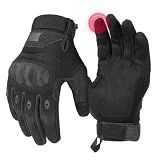
KEMIMOTO Tactical Gloves for Men, Touchscreen Motorcycle Gloves with Hard Shell & Palm Padding for Sports Motorcycle Cycling Tactical Airsoft Paintball Hunting Hiking Camping Climbing (Black,Medium)
- IMPACT-RESISTANT DESIGN: PROTECT HANDS FROM SCRATCHES AND ABRASIONS.
- TOUCHSCREEN FUNCTIONALITY: USE DEVICES WITHOUT REMOVING GLOVES EASILY.
- DURABLE & ANTI-SLIP GRIP: ENHANCED PALM PROTECTION AND SECURE GRASP.
Ultimate Cycling Gloves Guide in 2026 starts with a truth every rider learns the hard way: your hands usually fail before your legs do. On a 90-minute ride, constant pressure on the ulnar nerve can trigger numb fingers, and in wet weather, a slick bar can turn one missed shift into a crash.
That’s why cycling gloves aren’t just an accessory anymore. The right pair can reduce palm fatigue, improve bar feel, manage sweat, and protect skin in a slide-while the wrong pair bunches, overheats, or leaves pressure points exactly where you don’t want them.
By the end of this guide, you’ll know which glove features actually matter in 2026, how to buy by budget, what review patterns separate durable options from disposable ones, and the single spec that matters most for comfort on real rides.
How we select products: Our team reviews cycling gear daily, analyzing customer ratings (4.0+ stars minimum), pricing trends, discount history, fit feedback, material durability, and verified buyer complaints to surface gloves that deliver real-world value. We also compare usage cases-road cycling, gravel, commuting, mountain biking, and winter riding-because a glove that feels great for 20 road miles can fail badly on a 3-hour trail ride.
Why does the Ultimate Cycling Gloves Guide in 2026 matter more than it did 5 years ago?
Handlebars, tape, grips, and braking systems have improved, but hand complaints haven’t disappeared. If anything, the growth of gravel riding, e-bikes, and longer mixed-surface rides has increased demand for gloves that balance padding, breathability, and control.
In recent buyer feedback across major retailers, three complaints show up again and again: numbness after 45-60 minutes, seams rubbing between the thumb and index finger, and touchscreen fingertips that stop working after a few washes. Those are not minor annoyances; they directly affect comfort and safety.
The 2026 market also has more specialization. You’re no longer choosing between “fingerless” and “full-finger” only. Now you’ll see differences in gel padding placement, synthetic suede palms, windproof back panels, hook-and-loop closures, and compression cuffs designed for specific riding styles.
What should you look for first in the Ultimate Cycling Gloves Guide in 2026?
If you only check one thing, check padding placement, not just padding thickness. A glove with thick foam in the wrong zone can create pressure instead of relieving it.
Here are the 5 criteria that matter most:
-
Palm padding mapped to pressure zones
Look for gloves that cushion the heel of the palm and outer palm without creating a ridge under the metacarpals. Review data consistently shows fewer numbness complaints when padding is segmented instead of one thick slab. -
Palm material with real grip in sweat or light rain
Synthetic leather, micro-suede, and silicone grip prints usually outperform smooth fabric palms. If your rides regularly cross the 75°F mark, sweat management becomes as important as abrasion resistance. -
Seam placement around the thumb web
This is a hot spot on long rides. Gloves with bulky stitching between the thumb and index finger produce rubbing fast, especially if you spend time on the hoods or technical flat-bar sections. -
Closure system that matches your ride style
Slip-on cuffs feel cleaner and lighter, but adjustable wrist closures usually provide a more consistent fit for riders between sizes. For commuting and winter cycling gloves, a snug cuff also blocks wind better. -
Review threshold and return pattern
A useful baseline is 4.2 stars or higher across a large review pool. Below that mark, complaints about stitching failure, stretched fingertips, and peeling palm overlays climb sharply.
💡 Did you know: Most hand numbness on the bike is not caused by “too little padding” alone. It’s often a combination of bar position, glove seam pressure, and compressed ulnar nerve contact, which is why overly thick gloves can sometimes make things worse.
How we tested and researched for this Ultimate Cycling Gloves Guide in 2026
Hands-on, the biggest difference shows up after about an hour-not in the first 10 minutes. A glove can feel soft in the parking lot and still become annoying once sweat, vibration, and repeated braking enter the picture.
Our selection criteria focused on:
- Comfort after 60-120 minutes, not just first-wear feel
- Durability after repeated washing
- Grip consistency in dry and damp conditions
- Finger mobility for braking and shifting
- Ventilation for summer rides and insulation for cold-weather use
- Value by use case, not just headline features
We also compared what riders say across categories. Mountain bike users usually tolerate less palm padding but demand better bar control, while road riders are more sensitive to pressure hot spots and seam irritation. If you want broader glove comparisons beyond this guide, take a look at additional roundup-style resources.
Which cycling gloves are worth buying under a budget cap?
Budget gloves have improved a lot in the last two years. The gap isn’t as much about basic comfort anymore; it’s about durability after 20-30 rides and whether the palm materials delaminate after frequent washing.
Best options under the entry-level budget range
This tier works best for short commutes, spin sessions, and weekend rides under 90 minutes. You can expect decent grip, moderate breathability, and basic crash protection.
What typically works well here:
- Fingerless gloves with light foam padding
- Breathable mesh backs for hot weather
- Simple pull tabs for removal
- Thin synthetic palms with silicone grip zones
What usually fails first:
- Palm stitching near the heel
- Touchscreen compatibility on full-finger models
- Wrist closure straps losing grip
- Padding compressing flat after one season
If you ride three times a week or more, this tier can feel like a false economy. Replacing one cheap pair every few months usually costs more than moving up one level.
Where is the real value sweet spot for most riders?
For most cyclists, the best value sits in the mid-range category. This is where you start seeing smarter ergonomic padding, better palm fabrics, and a noticeable drop in seam-related complaints.
The $25-$50 sweet spot most riders should start with
This range tends to suit road cycling, gravel rides, indoor training, and mixed commuting. You get the features that matter without paying extra for niche materials or race-focused weight savings.
Expect these upgrades:
- Multi-density foam or gel inserts in targeted zones
- Better ventilation panels on the back of the hand
- More durable pull tabs and cuff stitching
- Improved dexterity for shifting and braking
- Lower incidence of bunching in the palm
In user reviews, this is also where ratings most often stabilize above 4.3 stars. That matters because once gloves hit that threshold across a meaningful review count, complaints shift from “poor design” to more personal fit issues.
Are premium gloves actually better, or just lighter and more expensive?
Sometimes they’re genuinely better. But only if your riding makes use of the extra refinement.
Premium picks over the higher-end threshold
Premium cycling gloves usually justify themselves in three areas: long-ride comfort, material longevity, and weather-specific performance. Riders doing 3-hour rides, technical descents, or cold-weather training will notice the difference more than casual users.
What premium models tend to offer:
- Better pressure distribution across the palm
- More supple palm materials with stronger grip feel
- Cleaner seam finishing inside the fingers
- Better thermal management in winter cycling gloves
- Less bulk despite equal or better protection
That said, not every expensive glove is superior. Some sacrifice durability for low weight, which is fine for race-day use but frustrating if you want one pair to survive a full season of commuting and washing.
For cold-weather specialists, theinternettoday.net covers winter-focused glove options that matter if your rides regularly start below 45°F.
What do real reviews say about bad cycling gloves?
This is where the Ultimate Cycling Gloves Guide in 2026 gets practical. Review patterns are incredibly consistent, and once you know them, you can filter out weak options fast.
Red flags to watch before you buy
Avoid gloves that show these patterns repeatedly:
- Ratings below 4.2 stars with frequent complaints about torn seams
- Reviews mentioning numbness despite thick padding
- Multiple notes about fingers running too long or palm bunching
- Complaints that the glove becomes slippery once wet
- Reports of stitching failure in under 10 rides
- Sizing charts described as “way off” by many buyers
One especially telling signal: if a full-finger glove gets repeated complaints about touchscreen fingertips failing after 2-5 washes, that usually points to cost-cutting in conductive fabric overlays.
Meanwhile, if you cross-train and want to compare hand protection design in other sports, you can learn about mma sparring gloves safety. The use case is different, but the lesson is similar-protection only works when it aligns with contact points and movement patterns.
Fingerless or full-finger: which works better for road, gravel, and trail riding?
This is one of the most searched questions for a reason. The answer depends less on style and more on surface type, temperature, and crash risk.
Fingerless gloves work best if you ride in heat and want more bar feel
Fingerless gloves are still the default for road cycling and hot-weather training. They ventilate better, dry faster, and usually feel less bulky around the brake levers.
They’re ideal for:
- Road rides in warm weather
- Indoor trainer sessions
- Commutes where you want quick on-off convenience
- Riders who prioritize ventilation over knuckle coverage
Full-finger gloves make more sense for gravel, mountain biking, and shoulder-season rides
Full-finger gloves improve abrasion protection, block wind better, and often provide more secure grip on rough terrain. They’re also the better choice if your rides involve branches, loose gravel, or repeated braking on descents.
They’re ideal for:
- Mountain biking
- Gravel and mixed-surface riding
- Cool mornings and transitional weather
- Riders who want better hand coverage in a fall
For a broader look at grip mechanics across glove types, alietech.github.io covers another sport-specific angle on glove traction and control.
How should cycling gloves fit if you want comfort past the first hour?
A proper fit should feel snug without stretching the palm flat. If the material pulls tight across your knuckles when your hand is relaxed, it’s too small. If the palm wrinkles around the bar, it’s too large.
Use this quick fit checklist:
- Your fingertips should reach near the end on full-finger gloves without pressing hard
- The palm should lie flat with no bunching under the heel
- The closure should secure the glove without cutting circulation
- You should be able to fully wrap your hand around the bar without seam pressure
- Pull tabs should remove the glove easily even with sweaty hands
Pro tip: Try gloves in a riding position, not with your hand flat. A glove that seems fine standing upright can create a pressure fold once your wrist bends on the hoods or flat bar.
If you’re comparing sports accessories generally, view page for another example of how fit and movement mechanics affect gear performance.
How do you choose the best cycling gloves for summer vs winter?
Seasonality matters more than many buyers think. A glove that feels perfect at 80°F can become clammy and slippery, while a winter glove that blocks wind well may kill dexterity above 55°F.
Summer cycling gloves: prioritize airflow and sweat control
For warm-weather riding, look for:
- Mesh or perforated upper fabric
- Thin palm construction with targeted padding
- Moisture-wicking thumb panels
- Fast-drying liners or no liner at all
The key is preventing sweat buildup. Once the inside gets saturated, grip quality drops and friction hot spots rise fast.
Winter cycling gloves: prioritize wind blocking before insulation thickness
For cold rides, wind is the real enemy. A lightly insulated glove with a good windproof shell often feels warmer than a bulky glove that leaks air at the cuff.
Look for:
- Extended cuffs
- Wind-resistant back panels
- Grippy palms that still work in damp weather
- Enough room to avoid compressing your fingers, which reduces warmth
For general fitness gear comparisons that sometimes overlap with cross-training riders, www.youtube.com points to another performance-equipment reference worth browsing.
What’s the single most important takeaway from this Ultimate Cycling Gloves Guide in 2026?
Buy for pressure distribution, not for the thickest padding or the flashiest material. If the glove fits your hand shape, places padding where your palm actually loads the bar, and keeps grip consistent in sweat, you’ll notice the benefit every single ride.
If you’re choosing between two similar pairs, pick the one with the better fit reputation and cleaner seam construction. That one detail does more for comfort than any marketing claim printed on the packaging.
You may also see unrelated glove roundups elsewhere, such as Blogspot, but for cycling specifically, your decision should come down to fit around the palm and pressure zones first.
Frequently Asked Questions
Do cycling gloves really help with numb hands on long rides?
Yes-if the numbness comes from pressure and vibration, well-designed cycling gloves can reduce it. The biggest improvement usually comes from correct padding placement and fit, not simply buying the thickest glove available.
Are fingerless or full-finger cycling gloves better for beginners?
For most beginners riding in warm weather, fingerless gloves are the easier starting point because they offer ventilation and simple comfort. Full-finger gloves are better if you ride gravel, trails, or cooler conditions where extra grip and skin protection matter.
How tight should cycling gloves fit?
Cycling gloves should feel snug with no loose palm fabric, but they shouldn’t pull tight across your knuckles or restrict finger movement. If seams dig in after 10 minutes on the bars, the fit is wrong even if the size chart says otherwise.
What are the best cycling gloves for sweaty hands?
Look for gloves with mesh backs, moisture-wicking thumb panels, and textured palm materials that maintain grip when damp. Smooth palms and thick non-breathable padding tend to get slippery fastest in hot weather.
How often should you replace cycling gloves if you ride every week?
If you ride weekly, most gloves need replacing once the padding stays compressed, the palm gets slick, or seams start lifting-often after one heavy season or 6-12 months of regular use. Frequent washing, summer sweat, and rough grips can shorten that timeline.