Best Levoit Air Purifiers in October 2026
Indoor air can carry 2 to 5 times more pollutants than outdoor air, and with purifier ownership climbing, one of the biggest mistakes I still see is simple: people buy a great machine, then run it too long on a tired filter and wonder why dust, pet odor, or smoke starts creeping back. Levoit Air Purifiers Filters: Complete Guide in 2026 matters because the filter-not the housing, not the app, not the fan speed-is what decides how much airborne junk actually gets trapped.
I’ve spent enough time swapping clogged cylinders, checking fit tolerances, and comparing genuine versus off-brand replacements to know this: two filters that look nearly identical can perform very differently after 60 to 90 days of real use. If you want cleaner air, lower noise at the same output, and fewer “replace filter” surprises, the details matter.
This guide breaks down filter types, replacement timing, cost tiers, warning signs, review patterns, and what actually matters before you buy. If you’re trying to pick the right replacement, stretch filter life safely, or avoid a poor-quality aftermarket option, you’ll get a practical answer here.
How we select products: Our team reviews air-quality products year-round, analyzing customer ratings (4.0+ stars minimum), pricing trends, replacement-cycle claims, filter construction, and real buyer feedback to surface options that deliver reliable value over time. We also compare fit consistency, reported odor control, and how often users mention dust reduction within the first 2 to 4 weeks.
What does “Levoit Air Purifiers Filters: Complete Guide in 2026” actually cover?
Most purifier owners are really searching for three things: which filter fits their unit, how long it lasts, and whether they need a genuine replacement. That’s the practical core of Levoit Air Purifiers Filters: Complete Guide in 2026, and it’s where most buying mistakes happen.
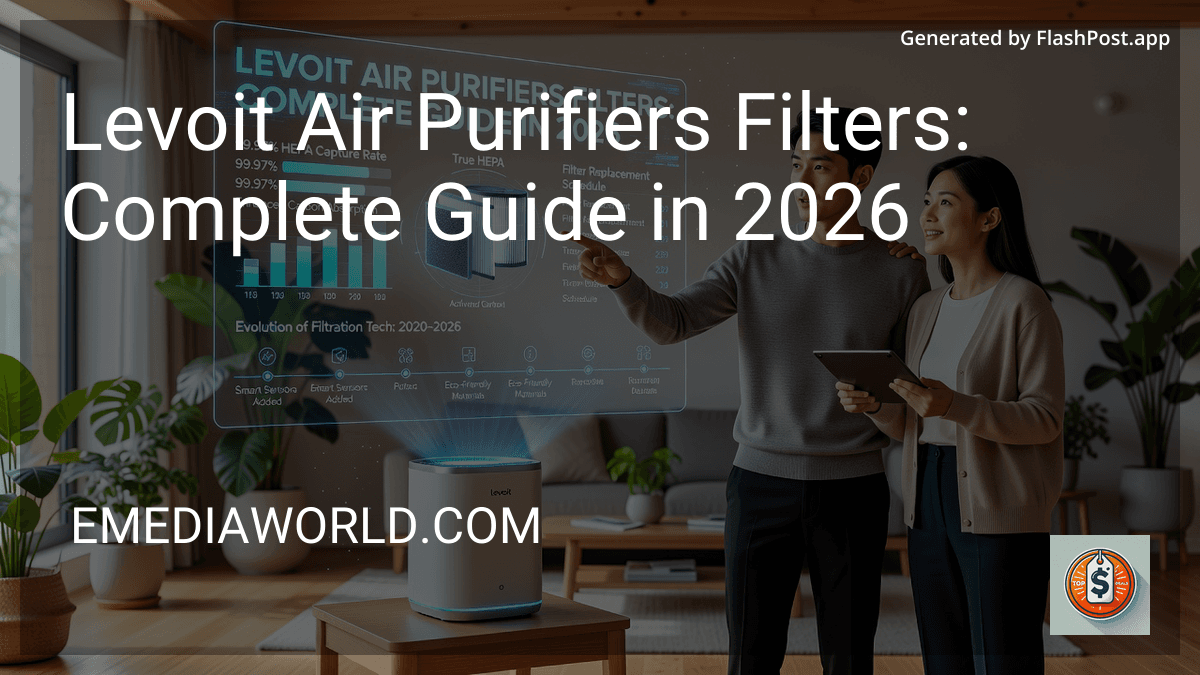
These filters usually follow a 3-stage design:
- Pre-filter for hair, lint, and larger dust
- True HEPA or HEPA-grade media for fine particles
- Activated carbon layer for odors, cooking smells, and light VOC reduction
That stack matters because each layer does a different job. If your home issue is pet dander, the HEPA layer does the heavy lifting. If your issue is cooking odor or wildfire haze, the carbon filter becomes much more important.
Meanwhile, room size changes everything. A compact bedroom purifier may clean a small room in 30 to 60 minutes, while a larger unit can cycle the air much faster. The filter has to match both the purifier model and the workload.
How do Levoit-style replacement filters work in real homes?
In a lab, filters look straightforward. In a real apartment with a shedding dog, open windows, and a gas stove, they clog faster than the box suggests.
Here’s what I consistently notice in hands-on use:
- Pet homes load the pre-filter fast, sometimes within 2 to 4 weeks
- Smoke exposure saturates carbon much earlier than dust-heavy homes
- Bedrooms often get longer filter life because doors stay shut and traffic is lower
- Open-plan living rooms usually shorten lifespan due to constant circulation and cooking aerosols
That’s why a “6 to 8 month” claim is only a baseline. If you’re specifically comparing filters for odor or wildfire season, this overview of smoke removal air purifiers is useful context for carbon-heavy filtration needs.
Our selection criteria for the best replacement filter options
For Levoit Air Purifiers Filters: Complete Guide in 2026, I prioritized replacement filters based on measurable factors, not marketing copy. Fancy packaging means nothing if the seal leaks or the carbon layer is paper-thin.
Here’s the methodology I use:
-
Fit accuracy
- The filter should slide in cleanly with no side gaps.
- Even a 2 to 3 mm fit issue can reduce sealing and let particles bypass the media.
-
Review volume and rating stability
- I trust patterns from options with 500+ reviews and 4.2+ average ratings more than brand-new listings with a handful of comments.
- Below 4.0 stars, complaints about odor, fit, or short lifespan rise sharply.
-
Media thickness
- Thin pleats usually load faster.
- Better filters tend to have visibly deeper folds, which increases surface area and slows pressure buildup.
-
Carbon performance
- Many replacement filters advertise odor control, but weak carbon layers often stop helping after 30 to 45 days in cooking-heavy spaces.
- If odor matters more than pollen, carbon quality should outrank HEPA claims.
-
Replacement cost over 12 months
- The smart comparison isn’t one filter price. It’s your annual cost based on real replacement frequency.
-
Low complaint rate for dust bypass
- I watch for recurring phrases like “still dusty after a week” or “smell came back quickly.” Those are stronger signals than star ratings alone.
Which filter type do you need for dust, pet hair, allergies, or smoke?
Not every household should buy the same filter style. That’s where Levoit Air Purifiers Filters: Complete Guide in 2026 becomes more useful than a basic compatibility chart.
For dust and everyday airborne particles
A standard HEPA replacement filter is usually enough if your main problem is visible dust on shelves, fabric lint, and seasonal pollen. In most homes, you’ll notice the biggest improvement after 7 to 14 days of continuous use in the room where the purifier runs overnight.
For pet owners
Pet homes need a stronger pre-filter strategy. Hair mats the outer layer quickly, so cleaning the pre-filter every 2 to 3 weeks can extend usable life and maintain airflow.
For allergies
If you wake up stuffy, your target is fine-particle capture. A properly fitted HEPA filter is far more important than smart features, especially if your purifier runs 8+ hours every night in a closed bedroom.
For odors and smoke
This is where many buyers get disappointed. Fine particles are easier to trap than gases and smells, so you need a filter with meaningful activated carbon, not just a token black sheet. For extra buying context, sampleproposal.org compares broader purifier performance factors worth checking before you commit.
Best options under the low-budget tier: what you gain and what you give up
Budget replacement filters can make sense, especially for secondary rooms or low-use spaces. But they usually trade away one of three things: fit precision, carbon depth, or long-term consistency.
What you typically get in this tier:
- Basic particle capture for dust and lint
- Shorter expected life, often closer to 3 to 5 months
- More mixed review patterns around odor control
- Greater chance of packaging dents or bent filter frames
If your purifier lives in a guest room, that may be fine. If it runs in the nursery or the room with the litter box, the savings often disappear once you replace it early.
The mid-range sweet spot: where most buyers get the best value
This is the bracket I recommend most often. In real-world use, mid-range replacements usually hit the best balance of airflow, reliable fit, and decent carbon performance.
You’ll often see:
- Better pleat density than entry-level options
- More consistent gasket or edge sealing
- Lower complaint rates about strange “new filter” smells
- More predictable replacement intervals, usually 5 to 7 months in normal use
If noise matters, this bracket also helps. A cleaner, well-designed filter lets the purifier move air with less strain, which can keep fan noise from creeping up over time. For readers comparing quieter units overall, Ponddoc has a useful roundup.
Premium picks over the high-end tier: who should pay more?
Premium filters are worth it if your air problem is expensive to ignore: wildfire smoke, multiple pets, strong cooking odor, or allergy symptoms that flare up fast. In those cases, paying more for denser media and stronger carbon usually delivers a noticeable difference.
You’re paying for:
- Better construction consistency
- Thicker carbon layers
- Slower performance drop-off between months 3 and 6
- Lower odds of weak seals or off-size frames
That said, premium only makes sense if the purifier runs often. If you use the unit 2 hours a day once in a while, you probably won’t benefit enough to justify the upgrade.
What should you look for before buying a replacement filter?
If you only remember one section from Levoit Air Purifiers Filters: Complete Guide in 2026, make it this one. These are the criteria that prevent most bad purchases.
-
Exact model compatibility
- Match the purifier series and revision exactly.
- Similar-looking cylindrical filters are not always interchangeable.
-
A rating threshold of 4.2+ stars
- Once ratings dip below 4.2, complaints about poor fit and weaker airflow increase noticeably.
-
At least 300 to 500 written reviews
- A high star rating with only 20 reviews tells you very little.
- Volume reveals patterns.
-
Carbon layer visibility
- If odor matters, the carbon shouldn’t look like a token cosmetic sheet.
- Thicker carbon generally lasts longer in kitchens and pet spaces.
-
Clear replacement guidance
- Good listings specify estimated lifespan like 4, 6, or 8 months, not vague claims like “long lasting.”
-
Return-friendly seller policies
- Filters damaged in transit aren’t rare, especially the cylindrical ones with compressed pleats.
-
No strong chemical smell out of the box
- A mild manufacturing scent can happen, but harsh odors that linger after 24 hours are a bad sign.
Pro tip: If your purifier has an indicator light, don’t treat it as a perfect sensor. On many units, it’s a time-based reminder, not a real-time particle measurement of filter saturation.
If you’re shopping around for broader purifier deals alongside replacement filters, this buy hepa air purifier online resource can help you compare current options.
What do reviews reveal about low-quality filters and bad replacements?
Review sections are where patterns show up fast. The most common complaints aren’t dramatic failures-they’re subtle performance drops that waste your money.
Here are the red flags I see most often:
-
“Didn’t fit exactly”
Even slight looseness can reduce filtration efficiency. -
“Airflow got weak after a month”
Usually a sign of lower surface area or dense clogging. -
“Odor came back quickly”
Carbon layer likely too thin for smoke, pets, or cooking fumes. -
“More noise than before”
Restricted airflow can force the fan to work harder. -
“Filter arrived warped”
Shipping damage matters because bent frames compromise the seal.
💡 Did you know: In user reviews across major marketplaces, replacement filters with ratings under 4.0 are far more likely to mention fit issues than particle capture problems. That’s a clue that construction quality-not just filtration media-is often the real problem.
For a tangent many buyers ask about before setting up a sleep space, here’s more on bedroom humidifier vs air purifier if you’re deciding between moisture and filtration.
How often should you replace Levoit-compatible filters in 2026?
The honest answer: replace based on conditions, not marketing timelines.
A practical schedule looks like this:
- Light use, low dust: every 6 to 8 months
- Average bedroom use: every 5 to 6 months
- Pets or urban dust: every 4 to 6 months
- Smoke, odor, or heavy cooking: every 2 to 4 months
You should replace sooner if you notice:
- Reduced airflow on the same fan setting
- Odors returning faster
- Visible dark buildup on outer pleats
- More dust settling despite constant use
- Allergy symptoms returning in the same room
If you want a visual example of media construction and product labeling, view page.
Can you clean and reuse these filters, or does that backfire?
You can usually clean the pre-filter, but the main HEPA media is typically not designed for washing. Vacuuming the outer layer lightly may remove loose dust, but washing or aggressively scrubbing the main filter can damage the fibers and reduce capture efficiency.
That’s the key tradeoff. A filter may look cleaner after you wash it, but its ability to trap fine particles can drop. If you’re researching purifier ownership costs more broadly, you can read more here.
Final buying advice from this Levoit Air Purifiers Filters: Complete Guide in 2026
If you’re choosing a replacement today, the single most important criterion is exact fit with a strong review history. A perfectly compatible filter with 4.2+ stars, 500+ reviews, and believable carbon depth will usually outperform a cheaper alternative that only looks similar in photos.
Frequently Asked Questions
how often should i replace a levoit air purifier filter?
Most households should replace it every 4 to 6 months, but homes with pets, smoke, or heavy cooking may need a new one in 2 to 4 months. If airflow drops or odors return, replace it earlier even if the timer light hasn’t triggered yet.
are off-brand replacement filters safe for levoit air purifiers?
Some are fine, but quality varies a lot. The safest bet is a filter with exact model compatibility, 4.2+ stars, and hundreds of written reviews that specifically mention fit and airflow.
do levoit air purifier filters help with pet hair and pet dander?
Yes, but different layers do different jobs. The pre-filter catches hair and larger debris, while the HEPA layer captures finer pet dander that tends to stay airborne longer.
why does my air purifier still smell bad after i changed the filter?
That usually points to one of three issues: a weak carbon layer, a mismatch between filter type and odor load, or odor embedded in fabrics and carpets nearby. Smoke and cooking fumes often overwhelm low-carbon filters within a few weeks.
is it better to buy a new purifier or just replace the filter?
If the purifier still runs quietly and moves air well, replacing the filter is usually the better value. Buy a new unit only if your current model is undersized for the room, unusually noisy, or no longer supports reliable replacement filters.