
Best Lightweight Suitcases in October 2026
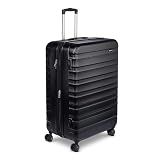
Amazon Basics 30" Hardside Large Checked Luggage, Hardshell Suitcase With Four Multi-directional Wheels, Expandable For Up to 15% More Space, Scratch-Resistant Shell, Black
-
SPACIOUS FOR 2-3 WEEK TRIPS: PERFECT SIZE FOR YOUR VACATION NEEDS!
-
DURABLE HARD SHELL DESIGN: SCRATCH-RESISTANT FOR ULTIMATE PROTECTION.
-
EXPANDABLE PACKING SPACE: BOOST CAPACITY BY 15% FOR FLEXIBILITY.


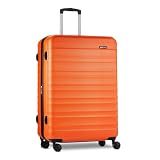
Amazon Basics 30" Hardside Large Checked Luggage, Expandable For Up to 15% More Space, Hardshell Suitcase With Wheels, Scratch-Resistant Surface, Four Multi-directional Wheels, Orange
-
SPACIOUS 20.7 X 12.6 X 30.7: PERFECT FOR 2-3 WEEK TRIPS!
-
DURABLE HARD SHELL: SCRATCH-RESISTANT FOR ULTIMATE PROTECTION!
-
EXPANDABLE DESIGN: UP TO 15% MORE PACKING SPACE WHEN NEEDED!
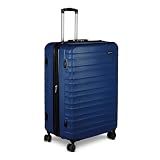
Amazon Basics 30" Hardside Large Checked Luggage with Multi-directional Wheels, Expandable for Up to 15% More Space, Scratch-Resistant Hardshell, Navy Blue
- PERFECT SIZE FOR 2-3 WEEK TRIPS; COMPACT YET SPACIOUS DESIGN!
- DURABLE, SCRATCH-RESISTANT SHELL ENSURES RELIABLE TRIP PROTECTION.
- EXPANDABLE CAPACITY AND ORGANIZED INTERIOR FOR EFFORTLESS PACKING!
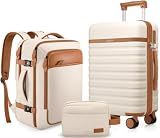
UKEIN Luggage Sets 3Piece, Carry On Luggage 20in Suitcase Set With Backpack
- VERSATILE LUGGAGE SET: INCLUDES CARRY-ON, BACKPACK, AND TOILETRY BAG.
- EFFORTLESS MANEUVERABILITY: 360° DUAL SPINNER WHEELS FOR SMOOTH TRAVEL.
- SECURE & CONVENIENT: BUILT-IN TSA LOCK AND DURABLE ALLOY ZIPPERS.
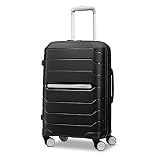
Samsonite Freeform Hardside Carry-On Luggage with Spinner Wheels - Hardshell Suitcase - TSA, Airline-Approved - Expandable Hard Shell, Smooth Rolling Wheels for Lightweight Travel – Black
- PERFECT CABIN SIZE: FITS MOST AIRLINE CARRY-ON RESTRICTIONS!
- SCRATCH-RESISTANT: DURABLE EXTERIOR FOR WORRY-FREE TRAVEL.
- SMART ORGANIZATION: STAY NEAT WITH ELASTIC STRAPS AND POUCHES!
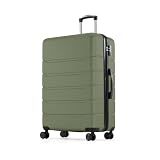
OLIXIS 20 Inch Carry-On Luggage, Hardside Suitcase with Spinner Wheels, Lightweight ABS Hard Shell Travel Luggage, TSA Approved Lock, Expandable Small Suitcase for Business & Travel–Olive Green
- GLIDE EFFORTLESSLY WITH 360° WHEELS & ERGONOMIC TELESCOPIC HANDLE.
- EXPANDABLE STORAGE WITH DUAL COMPARTMENTS KEEPS YOU ORGANIZED.
- DURABLE, SCRATCH-RESISTANT DESIGN ENSURES LONG-LASTING TRAVEL RELIABILITY.
Ultimate Lightweight Suitcase Buying Guide in 2026 starts with a simple truth: the wrong suitcase can make even a short trip feel like work.
You notice it at the airport first. A bag that tips over in the check-in line, catches on every crack in the floor, or somehow feels heavier every time you lift it into an overhead bin. Lightweight luggage isn’t just about shaving off a few pounds - it’s about making travel smoother, faster, and a lot less annoying.
That’s why this guide matters right now. Airlines are stricter with carry-on and checked baggage limits, travelers are packing smarter, and suitcase materials in 2026 are better than they were even a few years ago. If you’re trying to buy once and buy well, this guide will help you choose a suitcase that’s light, durable, practical, and actually worth carrying through a real travel day.
Why the Ultimate Lightweight Suitcase Buying Guide in 2026 Matters More Than Ever
A lightweight suitcase gives you something most travelers underestimate: usable packing weight.
If your suitcase weighs less on its own, you get more room for clothes, shoes, work gear, or souvenirs before hitting airline weight limits. That matters whether you’re packing for a weekend city break, a family vacation, or frequent business travel.
It also changes how travel feels physically. Lifting your bag into a car trunk, onto a train rack, or into an overhead compartment is easier with a bag that doesn’t fight you every step of the way.
And yet, not all lightweight luggage is built well. Some bags cut weight by sacrificing wheel quality, handle stability, zipper strength, or shell durability. The best suitcase in 2026 balances low weight, strong construction, smooth mobility, and smart storage.
What to Look For in the Ultimate Lightweight Suitcase Buying Guide in 2026
If you only remember one section from this Ultimate Lightweight Suitcase Buying Guide in 2026, make it this one.
Here are the features that actually matter before you buy.
1. Overall Weight
Start with the empty weight of the suitcase, not just the marketing language.
A bag can be called “lightweight” and still be heavy compared to newer models. For carry-ons, lower weight matters most because you’ll lift the bag more often. For checked luggage, a lighter shell gives you more flexibility under airline baggage limits.
2. Shell Type: Hardside vs Softside
This is one of the first big decisions.
- Hardside luggage offers better structure, weather resistance, and impact protection
- Softside luggage usually gives you exterior pockets, more flexibility, and easier overpacking
- Hybrid luggage can blend both benefits, but build quality matters a lot
If you’re debating the best setup for your travel style, it helps to compare a classic suitcase with other travel bags using this useful luggage comparison: duffel bag and suitcase resource.
3. Wheel Design
A lightweight suitcase with bad wheels is still a bad suitcase.
Look for:
- Spinner wheels for smooth 360-degree rolling in airports
- Recessed or reinforced wheel housing
- Stable tracking on uneven surfaces
- Quiet wheel movement, which often signals better construction
If maneuverability matters most to you, browsing examples of a durable spinner carry on suitcase can help you understand what premium wheel setups look like.
4. Handle Strength and Comfort
Telescoping handles are a common failure point.
Test for wobble if you can. A good handle should extend smoothly, lock securely, and feel stable under pressure. If it rattles excessively in a store, it usually won’t improve after a few flights.
5. Interior Layout
Lightweight doesn’t mean minimal to the point of uselessness.
The best travel suitcase should have:
- Compression straps
- Divided compartments
- Zippered mesh sections
- A lining that feels securely stitched
- Enough structure to keep items from shifting
6. Size Compatibility
Buying the right size is just as important as buying the right weight.
A slightly oversized carry-on can create more stress than convenience if it doesn’t fit airline requirements. Before you choose, check realistic suitcase size recommendations so your luggage works for the trips you actually take.
7. Material Quality
For hardshell luggage, focus on crack resistance and flexibility. For softside bags, pay attention to abrasion resistance and fabric density.
The lightest material isn’t always the smartest choice. You want something that can handle baggage belts, curbs, overhead bins, and the occasional rough handler without looking destroyed after one trip.
8. Zippers, Locks, and Small Hardware
This is where many suitcases quietly fail.
Inspect the zipper track, pulls, corner guards, grab handles, and lock system. A suitcase can have a beautiful shell and still let you down because of one cheap hardware component.
Benefits of Choosing Lightweight Luggage in 2026
A good lightweight suitcase doesn’t just save weight. It improves the entire travel experience.
You get more packing freedom
Every pound your suitcase doesn’t use is a pound you can pack instead.
That’s especially useful for travelers dealing with strict baggage allowances, multi-stop trips, or packing for different weather conditions in one journey.
You move faster through airports
A lighter bag is easier to roll, pivot, lift, and store.
That sounds obvious, but it matters in real life - sprinting to a gate, hauling luggage up subway stairs, or navigating crowded hotel lobbies. Mobility becomes a real quality-of-life advantage.
You reduce wear on your body
If you’ve ever lifted a poorly balanced suitcase into an overhead bin, you know the difference immediately.
A lightweight carry-on or checked suitcase puts less strain on your shoulders, wrists, and lower back. For older travelers, frequent flyers, and anyone traveling with kids, that’s a major win.
You’re more likely to stay within airline limits
Overweight bag fees are frustrating because they’re often avoidable.
A lighter suitcase gives you a useful buffer. That means less repacking at the airport and fewer unpleasant surprises at check-in.
Ultimate Lightweight Suitcase Buying Guide in 2026: Hardside or Softside?
This is one of the most searched luggage questions for a reason.
Choose hardside if you want structure and protection
A hardshell suitcase is usually the better fit if you carry fragile items, electronics, or anything that benefits from a rigid shell. It also tends to perform better in wet conditions and stacks neatly in tight spaces.
If you’re actively shopping, it’s worth checking current hardside carry-on suitcase deals to compare styles and features side by side.
Choose softside if you want flexibility and quick access
Softside luggage works well for travelers who like outside pockets, easier squeezing into trunks, and a bit of packing forgiveness.
It’s often a smart choice for road trips, train travel, and travelers who prioritize organization over shell rigidity.
Which one is better in 2026?
For most travelers, lightweight hardside luggage has improved enough to become the default choice.
Materials are lighter, shells are more resilient, and spinner systems are better than they used to be. Still, if you value flexibility and outer compartments, a quality softside suitcase can absolutely be the better buy.
Expert Recommendations: How to Buy Smart and Avoid Regret
This is where experience really matters.
I’ve seen travelers focus so much on weight that they ignore how a suitcase behaves after three crowded airport transfers, a rough taxi trunk, and a hotel hallway with thick carpet. A bag should be light, yes - but it also needs to feel dependable after repeated real-world use.
Common mistakes to avoid
- Buying the lightest bag without checking durability
- Ignoring wheel quality
- Choosing style over handle stability
- Picking the wrong size for your actual travel habits
- Assuming all spinner suitcases roll the same
A suitcase is one of those purchases where tiny flaws become huge annoyances fast.
Pro tip:
Roll the suitcase loaded, not empty, whenever possible. Many bags feel smooth in a store but become unstable once weight shifts inside. If you can’t test in person, prioritize detailed specs around wheel base, handle design, and shell structure.
Don’t overlook repairability and long-term use
A suitcase should survive more than one season of travel.
Pay attention to whether components like wheels, handles, and zipper areas appear reinforced. Cosmetic appeal fades quickly if the bag starts wobbling, snagging, or splitting at stress points.
💡 Did you know:
A slightly heavier suitcase with better balance and smoother wheels can feel lighter in motion than an ultra-light bag with poor wheel geometry. Real usability matters more than marketing weight alone.
How to Get Started With the Ultimate Lightweight Suitcase Buying Guide in 2026
If you’re ready to buy, don’t start by browsing random options.
Start with your travel pattern.
Step 1: Define your main trip type
Ask yourself:
- Do you mostly take weekend trips?
- Are you packing for business travel?
- Do you need a carry-on suitcase or checked luggage?
- Will you use it for international travel, road trips, or family vacations?
Your answer narrows the field quickly.
Step 2: Choose the right size first
Size affects convenience more than people expect.
A great suitcase in the wrong size becomes a headache. Use reliable suitcase size recommendations before choosing between compact carry-on luggage, medium checked bags, or larger travel cases.
Step 3: Pick your shell type and wheel setup
If you want structure, weather resistance, and a modern look, go hardside. If you want flexibility and easier external access, go softside.
Then prioritize four-wheel spinner luggage if you travel through airports often. Two-wheel bags can still work well, but spinners are usually easier for most people.
Step 4: Compare build quality, not just looks
At this point, pay attention to:
- Weight-to-capacity ratio
- Handle wobble
- Wheel smoothness
- Interior organization
- Corner and zipper reinforcement
If budget matters, you can still find value by watching for an affordable hardshell suitcase sale rather than grabbing the cheapest option available.
Step 5: Buy for your next 20 trips, not your next one
That mindset changes everything.
The best lightweight suitcase in 2026 isn’t the one that looks good on day one. It’s the one you still trust after airport security lines, rough sidewalks, and repeated overhead-bin lifting.
Final Buying Checklist
Before you make your decision, run through this quick checklist:
- Is the empty weight genuinely low for its size?
- Do the wheels feel smooth and stable?
- Is the handle sturdy with minimal wobble?
- Does the size match your most common trips?
- Is the shell or fabric durable enough for real travel?
- Does the interior help you stay organized?
- Will it help you avoid airline weight issues?
If you can answer yes to most of these, you’re on the right track.
A lightweight suitcase should make travel easier, not just lighter.
Choose the one that fits your trips, your packing habits, and your body. Then take that next step confidently - compare your size needs, narrow your shell type, and buy the bag that will still feel like a smart decision after many miles.
Frequently Asked Questions
what is the best weight for a lightweight suitcase in 2026?
For most travelers, the best weight is the lightest suitcase that still feels sturdy, stable, and well-built for its size. A carry-on should be easy to lift into an overhead bin, while a checked suitcase should leave enough weight allowance for your packed items.
is hardside or softside better for lightweight luggage?
Hardside is often better if you want structure, protection, and weather resistance. Softside is better if you prefer flexibility, exterior pockets, and easier overpacking for irregular trips.
how do i choose the right lightweight carry-on suitcase?
Start with airline-compatible dimensions, then compare wheel quality, handle stability, shell material, and interior layout. A good carry-on should feel easy to maneuver, simple to lift, and practical to pack.
are expensive lightweight suitcases worth it?
They can be worth it if the higher quality shows up in wheels, handle strength, shell durability, and long-term reliability. A more affordable suitcase can still be a smart buy, but only if it performs well where it counts.
what should i avoid when buying a lightweight suitcase?
Avoid bags that focus only on low weight while neglecting wheel quality, handle stability, and material strength. You should also avoid buying the wrong size, because even a well-made suitcase becomes frustrating if it doesn’t match how you travel.